
Serial PSA testing with early salvage radiotherapy is a viable option in most high-risk men.
Serial PSA testing with early salvage radiotherapy is a viable option in most high-risk men.

The data for adjuvant radiotherapy remain strong.

This video examines changes in insurance status after implementation of the Affordable Care Act among cancer patients who received radiation therapy.

Women who take multivitamin supplements before their breast cancer diagnosis and during chemotherapy appear to be less likely to develop the debilitating, often long-lasting symptoms of chemotherapy-induced peripheral neuropathy, according to a new study.

From 1989 to 2015, breast cancer death rates decreased by 39%, according to findings from a report from the American Cancer Society. This decrease translates to well over a quarter of a million averted breast cancer deaths in the United States.

This video highlights 2-year results of a phase II study evaluating aggressive adjuvant chemoradiation dose de-escalation in HPV-positive oropharynx squamous cell carcinoma.

This video reviews long-term results of the NRG Oncology RTOG 0915 trial, a randomized phase II study that compared stereotactic body radiation therapy delivered in one fraction vs four fractions for stage I peripheral non–small-cell lung cancer patients with unresectable disease.
Long-term use of the long-acting insulin analog glargine is associated with an increased risk of breast cancer in women with type 2 diabetes, according to a new population-based cohort study.
Use of unilateral intensity-modulated radiotherapy reduced acute toxicities and maintained oncologic outcomes compared with bilateral IMRT in patients with lateralized palatine tonsillar cancer, according to the results of a new study.

A high rate of cancer patients reported using legalized cannabis, according to the results of a survey conducted at an NCI-designated cancer center in Washington State, which has legalized the medicinal and recreational use of cannabis.

This video highlights studies on HPV-positive head and neck cancer presented at the 2017 ASTRO Annual Meeting.

The FDA has granted accelerated approval to nivolumab (Opdivo) for the treatment of patients with hepatocellular carcinoma who have previously received sorafenib.
Patients who reported severe distress were more likely to miss radiation therapy appointments and be hospitalized during the course of their therapy compared with patients with lower distress scores, according to the results of a study presented at the ASTRO Annual Meeting in San Diego.
Undergoing SBRT prior to starting maintenance chemotherapy significantly improved progression-free survival in patients with limited metastatic non–small-cell lung cancer, according to the results of a phase II study presented at the ASTRO Annual Meeting.

A substantially higher number of nonelderly patients with newly diagnosed cancer had insurance after implementation of the Affordable Care Act, according to the results of a new study.
The FDA has approved the first cancer therapy biosimilar in the United States, a biosimilar to Avastin (bevacizumab) for the treatment of multiple types of cancer, including colorectal, lung, brain, kidney, and cervical cancers.

An analysis that corrected for differences in implementation found that the two main trials of prostate cancer screening in Europe and the United States both show a reduction in prostate cancer mortality with screening.
The FDA has approved the first gene therapy available in the United States, tisagenlecleucel (Kymriah), for the treatment of pediatric and young adult patients with relapsed or refractory B-cell precursor acute lymphoblastic leukemia.
Survivors of childhood cancer are less likely than the general population to receive the human papillomavirus (HPV) vaccine, according to a study.
Annual mammography screening starting at age 40 prevents the most breast cancer deaths, according to a comparison of the three most common screening recommendations.

This video reviews the role of surgery in the management of patients with mesothelioma.

This video highlights trials studying the long-term impact of adjuvant tamoxifen and aromatase inhibitors for the treatment of patients with postmenopausal breast cancer.
This video reviews the impact of the SOFT/TEXT trials for the treatment of patients with premenopausal breast cancer, and ways to best use the results.

So-called “narrow network” healthcare plans are more likely to exclude oncologists who are associated with NCI-designated or NCCN Cancer Centers, according to a new study.
Participating in a palliative care consultation significantly decreased healthcare use of Medicare beneficiaries with advanced cancer at the end of life.

In this interview we discuss a recent study that linked periodontal disease with an increased cancer risk, specifically melanoma and cancers of the lung, breast, esophagus, and gallbladder.
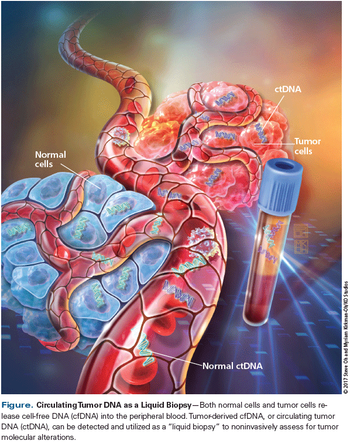
Here we review the clinical data supporting these different plasma genotyping methodologies, and present a practical approach to the interpretation of the results of these tests.

In this interview we discuss the issue of burnout in oncology, including signs and risk factors, how it might affect patient care, and strategies for prevention.

With some analyses warning of an impending oncologist shortage, are we truly approaching a point of critical need? Are practice extenders such as advanced practitioners the best solution to fill that gap or are there other options?