

Post-operative ctDNA testing led to a change in adjuvant management in 1 of 6 patients with stage II/III colorectal cancer treated in the BESPOKE trial.
Post-operative ctDNA testing led to a change in adjuvant management in 1 of 6 patients with stage II/III colorectal cancer treated in the BESPOKE trial.

Updated results support nivolumab/ipilimumab as a standard of care in patients with MSI-H or dMMR metastatic colorectal cancer.
The results of a real-world study support palliative care integration in patients with advanced early-onset colorectal cancer.
No differences in oncologic outcomes occurred between mandatory TME or selective WW strategy in rectal cancer responders to neoadjuvant therapy.
Synchronous metastatic status does not appear to affect survival among patients with resected BRAF V600E-mutated metastatic colorectal cancer.
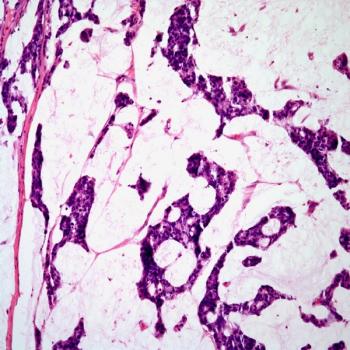
A pCR rate of 44% was observed when neoadjuvant pembrolizumab was given to patients with dMMR colon cancer.
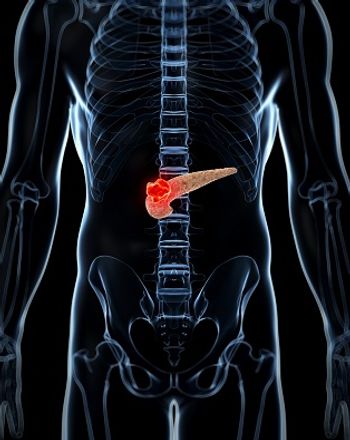
Post hoc analysis of the phase 3 NAPOLI 3 trial assessed how dose reductions in liposomal irinotecan/oxaliplatin affect OS in NALIRIFOX-treated PDAC.
The NeoCaCRT trial found that SCRT followed by cadonilimab and mFOLFOX6 elicited a pCR of 37.0%, meeting its primary end point for patients with locally advanced rectal cancer.
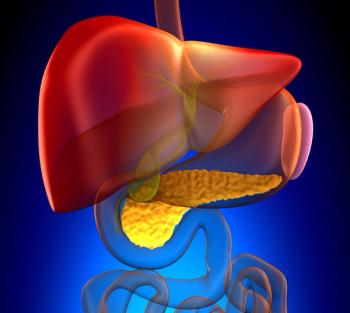
Cohort 5 of the ongoing phase 1/2 GOBLET study evaluated the safety of pelareorep in combination with modified FOLFIRINOX with or without atezolizumab in patients with newly diagnosed metastatic pancreatic ductal adenocarcinoma.
A 3-cohort retrospective analysis compared patients who met eligibility for the NAPOLI 3 trial with all-comers treated with FOLFIRINOX for PDAC.

Findings highlight the challenge of evolving logistics for testing and related decision-making in the treatment of those with gastric or GEJ cancers.
Subgroup analysis of the CALGB/SWOG 80702 trial investigated the impact of ctDNA status on DFS in stage III resected colon cancer patients treated with celecoxib or placebo.
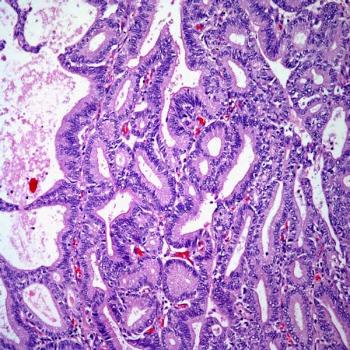
Results from the ACCELERATE trial did not improve relapse-free survival when chemoradiation was added to chemotherapy for patients with resected gallbladder cancer.
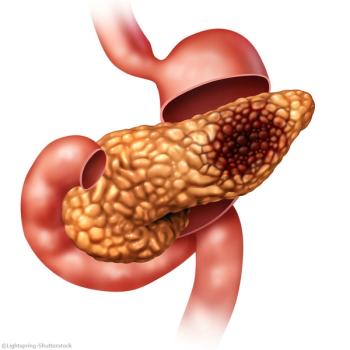
The phase 2 EA2186 trial was the first elderly-specific clinical trial evaluating chemotherapy in vulnerable adults with metastatic pancreatic cancer.

Results from the phase 3 LAPIS trial showed pamrevlumab/chemotherapy did not improve survival vs placebo/chemotherapy in locally advanced, unresectable pancreatic cancer.
Nivolumab plus ipilimumab generated an ORR of 36% vs 13% from levantinib plus sorafenib in unresectable hepatocellular carcinoma in the CheckMate 9DW study.
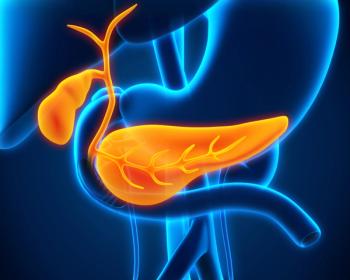
Updated phase 2 results support further investigation of surufatinib plus TAS-012 in a larger cohort of patients with pancreatic ductal adenocarcinoma.
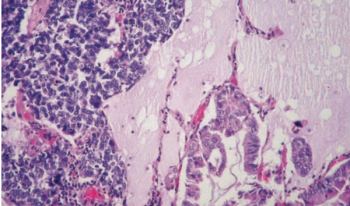
Patients who received cabozantinib experienced a PFS of 8.5 months vs 5.6 months with placebo, a subgroup analysis from the CABINET trial found.
Additionally, data show a trend towards improved overall survival with TACE plus camrelizumab/rivoceranib in the phase 2 CARES-005 study.

Sintilimab plus neoadjuvant chemoradiotherapy yielded a pCR rate of 60% vs 13% from sintilimab plus chemotherapy in patients with locally advanced ESCC.

2mg, 3mg, and 5mg extended-release capsules of everolimus have been approved for patients with TSC-associated SEGA by the FDA.

The phase 1/2 KEYMAKER-U02 trial evaluating pembrolizumab alone or as a combination therapy in stage IIIB-D melanoma found no adverse event–related deaths.

Treosulfan plus fludarabine is now approved by the FDA as an injection for allo-HSCT conditioning for patients with AML or MDS.

Phase 1/2 SYLT-023 trial evaluated the efficacy and safety of tislelizumab plus chemotherapy in patients with advanced, HER2-negative, mismatch repair–proficient gastric/GEJ cancer.

Complete response rate strongly correlated with lower SLiM-CRAB incidence and biochemical progression in those with high-risk smoldering multiple myeloma.
Adding trastuzumab and pertuzumab to chemotherapy conferred higher toxicity among patients with HER2-positive gastric cancers in the INNOVATION trial.
Results from the CheckMate 649 trial showed continued efficacy at 5 years in the nivolumab combination for patients with gastric/GEJ/esophageal cancer.

The CheckMate 649 trial found that nivolumab plus chemotherapy lead to a median OS of 14.3 months vs 10.3 months for chemotherapy alone in several gastrointestinal cancers.

Select patients may be eligible to continue treatment with tabelecleucel or ATA3219 in accordance with study protocols.

Phase 2 results show clinical responses and survival benefits in patients with confirmed HER2-positive expression in gastric/gastroesophageal cancer.