
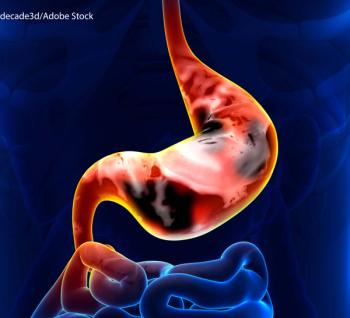
SHR-1701 plus CAPOX chemotherapy elicited fewer chemo delays and dose reductions and improved AE data vs placebo plus CAPOX in HER2-negative gastric/GEJ cancer.
SHR-1701 plus CAPOX chemotherapy elicited fewer chemo delays and dose reductions and improved AE data vs placebo plus CAPOX in HER2-negative gastric/GEJ cancer.

Results from the phase 2 FDZL-001 trial showed high OS and PFS rates when camrelizumab plus Nab-POF was used to treat patients with gastric/GEJ cancer.

A phase 1a/1b trial showed that ZL-1310 elicited an ORR of 74%, all of which were PRs, in patients with SCLC who received prior chemotherapy.
Interim phase 3 results revealed a median survival of at least 13.5 months with galinpepimut-S vs 6 months with standard of care in acute myeloid leukemia.

Data show a trend towards a reduced risk of death with fulvestrant vs anastrozole among patients with nonvisceral disease in the phase 3 FALCON trial.

Trastuzumab/pertuzumab elicited similar efficacy and fewer high-grade AEs vs cetuximab/irinotecan in RAS/BRAF wild-type, HER2–positive metastatic CRC.

A single-arm phase 2 study assessed local consolidative therapy regimens in patients with oligometastatic stage IV non–small cell lung carcinoma.

Of note, lung cancer incidence was higher among women younger than 65 compared with their male counterparts in 2021.

Patients who received the isatuximab combination in the IMROZ trial experienced prolonged MRD-negativity, which correlated with improved PFS.

In considering patients’ busy lives, AI may help reduce the number of visits required to fully stage and grade cancers.
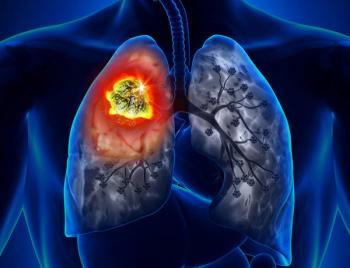
Doxycycline/minocycline, clindamycin, chlorhexidine, and a ceramides-based noncomedogenic moisturizer reduced skin- and nail-related AEs in NSCLC.

Additionally, adding nab-paclitaxel to gemcitabine/cisplatin confers more toxicity than gemcitabine/cisplatin alone in the phase 3 SWOG S1815 trial.

Everolimus plus lanreotide elicited a PFS of 29.7 months compared with 11.5 months from everolimus monotherapy in patients with gastroenteropancreatic neuroendocrine tumors.

Acalabrutinib improves efficacy in high-risk patients like those with TP53 mutations, those with complex cytogenetics, and those with high proliferative rates in MCL.

Sessions of interest at the 2025 Gastrointestinal Cancers Symposium will include data on colorectal cancer, pancreatic ductal adenocarcinoma, and more.
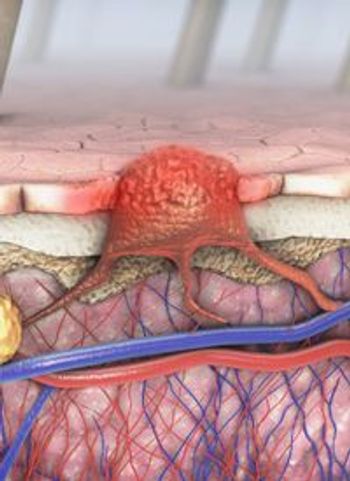
RP1 with nivolumab elicited an ORR of 38.7% with an acceptable safety profile in patients with advanced melanoma who progressed on anti–PD-1 therapy.

Results from a Chinese phase 1 trial reveal that anlotinib plus EGFR-TKIs demonstrated manageable toxicity in NSCLC pre-treated with EGFR-TKIs.
Tycel Phillips, MD, questioned how the regimen of acalabrutinib, bendamustine, and rituximab would compare with taking the drugs separately in mantle cell lymphoma.
Standardizing surgical outcomes and better training oncologic surgeons may be accomplished through the use of AI.

The approval marks Foundation Medicine’s first companion diagnostic indication to exclusively support pediatric patients with brain tumors.

Dostarlimab/chemotherapy elicited a 31% decrease in the risk of death compared with placebo/chemotherapy in locally advanced/recurrent endometrial cancer.

Micheal P. Bogenschutz, MD, discussed addressing unmet needs, implementation, and adverse effects related to psilocybin-assisted psychotherapy in cancer.

Michael P. Bogenschutz, MD, discusses the efficacy, safety, implementation, and future research of psilocybin for cancer-related psychological events.
The poly-ICLC trial seeks to develop a delivery mechanism to prostate cancer through different biomarkers.

Progression-free survival and objective response rate outcomes favored the tisotumab vedotin arm in the China subpopulation of the innovaTV 301 study.

The DCISionRT test has shown to be a significant factor in a clinician’s recommendation on whether a patient with DCIS should receive radiotherapy.
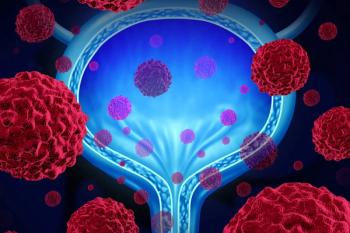
UGN-102 elicited complete responses in 79.6% of patients with non–muscle-invasive bladder cancer at 3 months in the ENVISION trial.
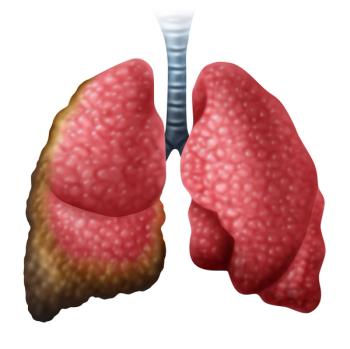
A panel of experts met to discuss the best treatment options for patients with EGFR or TP53-mutated non–small cell lung cancer.

As part of a Satellite Sessions program focused on the Cleveland Clinic and surrounding institutions, CancerNetwork hosted a panel discussion on treatment options for patients with EGFR-mutated NSCLC.
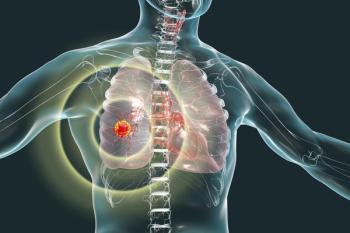
The discussion on NSCLC narrowed in on findings from recent clinical trials, particularly involving a combination regimen of amivantamab plus lazertinib vs osimertinib and chemotherapy.