

Melody Rasouli, MD, MBA, FACOG, discussed the system breakdowns that delay fertility referrals and how EHR triggers can automate the process.
Melody Rasouli, MD, MBA, FACOG, discussed the system breakdowns that delay fertility referrals and how EHR triggers can automate the process.
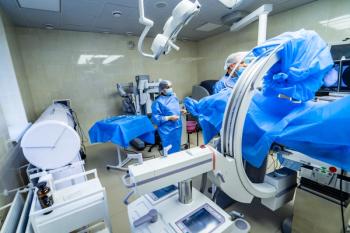
Zachary L. Bercu, MD, RPVI, FSIR, discusses the Liberty robotic system’s applications in liver and kidney cancer as well as the feasibility of remote procedures.
Dan Costin, MD, describes counseling his first patient on a personalized mRNA vaccine vs observation in the INTerpath-014 trial.
Jan Kitajewski, PhD, discussed how pooled expertise, pilot funding, and investigator support help move bench discoveries toward multicenter trials.
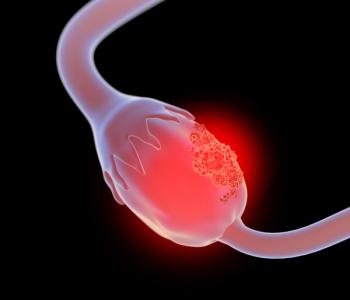
New analyses from the RAMP 201 trial demonstrated responses in KRAS wild-type recurrent LGSOC with avutometinib plus defactinib.
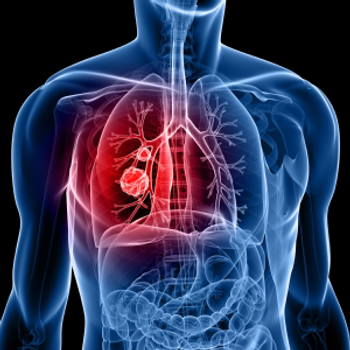
The phase 3 FURVENT trial showed an objective response rate benefit with firmonertinib in EGFR exon 20 insertion–mutant NSCLC.
Adding fixed-duration epcoritamab to R-CHOP reduced the risk of progression or death by 51% in patients with newly diagnosed DLBCL.

Chirag Jain, MBBS, discussed onco-anxiology, a proposed framework for identifying and managing anxiety at each stage of the cancer journey.
Natalie S. Callander, MD, discussed the rationale for combining selinexor, carfilzomib, subcutaneous isatuximab, and dexamethasone in relapsed/refractory myeloma.
Melody Rasouli, MD, MBA, FACOG, explained why male fertility preservation information trails female content online and how cancer centers can fix it.
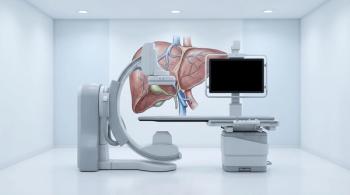
Zachary L. Bercu, MD, RPVI, FSIR, explains how the Liberty endovascular robotic system works from the operator’s perspective and what went into becoming its first adopting site.
Dan Costin, MD, explains the rationale for testing a personalized mRNA vaccine after resection of high-risk stage I NSCLC.
Paul Rubinstein, MD, discussed how cooperative groups are expanding CAR T and bispecific antibody research for patients with HIV-associated lymphoma.
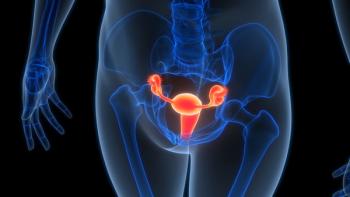
Data from RAINFOL-01 showed rinatabart sesutecan achieved responses in heavily pretreated platinum-resistant ovarian cancer with low or no FRα expression.
Melody Rasouli, MD, MBA, FACOG, discusses oncofertility gaps at NCI-designated cancer centers and ways to speed fertility referrals for patients.
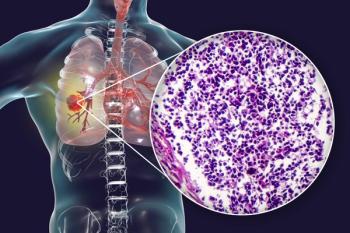
Data from the REZILIENT3 trial support the NDA for zipalertinib plus chemotherapy for those with NSCLC harboring EGFR exon 20 insertion mutations.
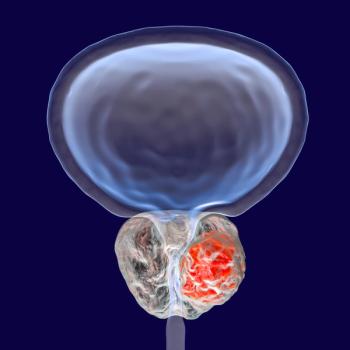
In a phase 2 trial, berzosertib/carboplatin produced a 0% overall response rate vs 15% with docetaxel/carboplatin in heavily pretreated metastatic CRPC.
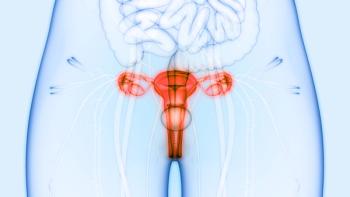
Initial phase 1/2 data showed a 73% objective response rate with ubamatamab in 11 patients with heavily pretreated low-grade serous ovarian cancer.
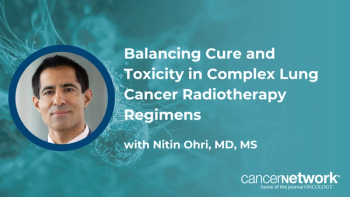
Nitin Ohri, MD, MS, discusses how his team manages toxicity and treatment tolerance as combination regimens grow more complex.

Xiuning Le, MD, PhD, discusses the accelerated approval of frontline sevabertinib for patients with HER2-mutated non–small cell lung cancer.
![“We want to make sure we are not producing a financial burden for patients in exchange for that convenience [with subcutaneous therapies],” said Thaddeus Beck, MD, FACP.](https://cdn.sanity.io/images/0vv8moc6/cancernetwork/cbb0bc385f194a5dd84702ed02a21020e3a6977b-1200x1800.jpg?w=350&fit=crop&auto=format)
“We want to make sure we are not producing a financial burden for patients in exchange for that convenience [with subcutaneous therapies],” said J. Thaddeus Beck, MD, FACP.
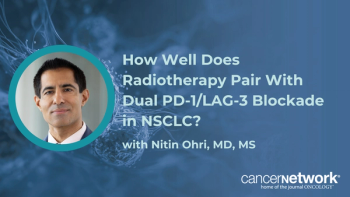
Nitin Ohri, MD, MS, explains the rationale for combining thoracic radiotherapy with dual PD-1 and LAG-3 blockade in locally advanced NSCLC.
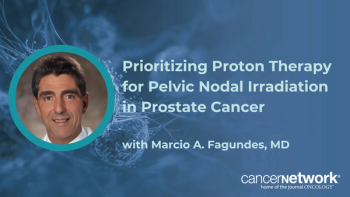
At the 2026 ASTRO Annual Meeting, Marcio A. Fagundes, MD, discussed when proton therapy is most justified over photon approaches in prostate cancer.
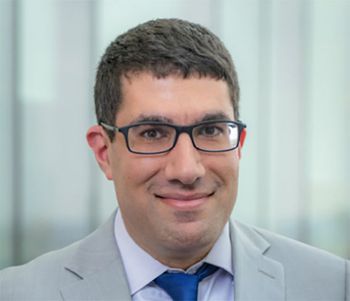
Ayal Aizer, MD, MHS, discussed Alliance A071801 trial data favoring fractionated SRS over single-fraction SRS after brain metastasis resection.

Marcio A. Fagundes, MD, explained how proton therapy and rectal spacers can reduce radiation exposure to the rectum, bowel, and bladder in prostate cancer.
Bruce Haffty, MD, and Mutlay Sayan, MD, on building radiation oncology at Rutgers, the future of the field, and a remarkable journey from eastern Turkey to Harvard faculty.
Marcio A. Fagundes, MD, discussed disease control by risk group among 404 patients with prostate cancer treated with intensity-modulated proton therapy.

The approval expands the indication of pirtobrutinib to patients with previously untreated chronic lymphocytic leukemia/small lymphocytic lymphoma with no known 17p deletion.

Community physicians must be “smart” when it comes to initiating outpatient care with agents like ramantamig for multiple myeloma, according to Jeffrey V. Matous, MD.

In the phase 3 Alliance A071801 trial, postoperative fractionated SRS improved surgical bed control vs single-fraction SRS without added toxicity.