

Rates of grade 3 or 4 AEs with durvalumab were similar across subgroups, with serious AEs more frequent in patients 70 years or older with ES-SCLC.
Rates of grade 3 or 4 AEs with durvalumab were similar across subgroups, with serious AEs more frequent in patients 70 years or older with ES-SCLC.

In patients who refuse or are ineligible for radical cystectomy, the gemcitabine intravesical system may be given after unsuccessful BCG treatment.

When compared with observation, adjuvant crizotinib did not improve disease-free survival or overall survival in ALK-positive NSCLC.

A manageable safety profile was observed across 2 expansion doses of the combination in urothelial cancer, consistent with known adverse effects of both drugs.

THERMAC trial results revealed that the ProSense® cryoablation system showed no complications, and the highest complete ablation rate in breast cancer.

Adding aumolertinib to chemotherapy in the treatment of patients with EGFR-mutated NSCLC led to improvements in progression-free survival.
Morphological dysplasia is the cornerstone of making a myelodysplastic syndrome diagnosis, except for a few myelodysplastic syndrome–defining genetic alterations.
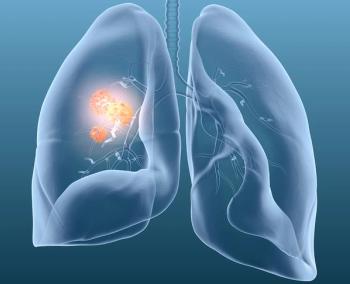
The median CNS PFS with Dato-DXd was 5.0 months vs 3.0 months with docetaxel in patients with NSCLC who have brain metastases.

For patients with unresectable stage III NSCLC, concurrent durvalumab with chemotherapy/radiation did not show an efficacy improvement.

The safety and tolerability of nivolumab/chemotherapy in non–small cell lung cancer were manageable and consistent with its profiles in other clinical scenarios.

Zidesamtinib was well tolerated in patients who received prior ROS1 TKI therapy with advanced NSCLC, and dose discontinuation/reduction rates were low.

Ivonescimab plus chemotherapy following progression after a third-generation TKI showed consistent efficacy across EGFR-mutated NSCLC subgroups.
Results from the phase 3 BRUIN CLL-313 trial show that OS trended favorably for pirtobrutinib vs chemoimmunotherapy in this CLL and SLL population.

Subgroup data from KEYNOTE-671 support the use of perioperative pembrolizumab in stage II or III non–small cell lung cancer of any clinical nodal status.
AE-related discontinuations of osimertinib were low, and no new treatment-related deaths were reported with the combination in EGFR-mutant NSCLC.

Sundar Jagannath, MBBS, said that when a cure is defined for patients with multiple myeloma, specific patients may be able to stop therapy without a risk of relapsing.

Up-front risk stratification for additional cardiovascular testing may help mitigate cardiovascular toxicities in breast cancer treatment.
Results from the phase 1b/2 CARTITUDE-1 trial showed that after patients receiving cilta-cel were disease-free for 5 years, they did not need maintenance therapy.

Trastuzumab pamirtecan’s developers plan to discuss next steps regarding a submission of a biologics license application for this breast cancer population.

Hydration and a healthy, well-balanced diet may mitigate fatigue among patients undergoing treatment for cancer.

The medical characteristics of a patient may heavily factor into the selection of tyrosine kinase inhibition for the treatment of chronic myeloid leukemia.

The performance of the latest Shield algorithm underwent validation in an expanded cohort of individuals enrolled on the ECLIPSE study.
Bland foods, such as crackers and chicken noodle soup, as well as fluids with electrolytes may help stave off treatment-related nausea.
The toxicity profile of interferon and the limited availability of transplantation established a need for TKI development for chronic myeloid leukemia.

The safety and cytokine release syndrome profiles of mosunetuzumab were manageable in patients with previously untreated marginal zone lymphoma.
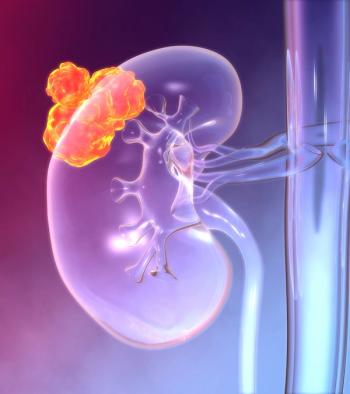
Changes in FKSI-15 scores from baseline indicated more favorable HRQOL outcomes with the benmelstobart combo vs sunitinib in advanced ccRCC.
The approach to treating patients with multiple myeloma will change for physicians, pharmaceutical companies, and even patients themselves.

Data from the AQUILA trial support early intervention with fixed-duration subcutaneous daratumumab for those with high-risk smoldering multiple myeloma.
Predictors of response have a significant effect on clinical decision-making because they may help oncologists select the best treatment for specific patients.
According to Denise B. Reynolds, RD, patients eating well should not be experiencing nutritional deficiencies during cancer treatment.