

Marc Lehrer Greenwald, MD, spoke with CancerNetwork® about how North Shore University Hospital treats young patients with colorectal cancer.
Marc Lehrer Greenwald, MD, spoke with CancerNetwork® about how North Shore University Hospital treats young patients with colorectal cancer.

An independent data monitoring committee advised that the risks associated with emergent secondary hematologic malignancies may outweigh the benefits.

Education, REMS certification, and long-term management are key barriers to the widespread adoption of bispecific antibodies in the community setting.

Data from the POD1UM-303/InterAACT-2 trial support the approval of the retifanlimab regimen in first-line squamous cell carcinoma of the anal canal.

No grade 3 or greater treatment-related AEs or discontinuations were observed among patients with bladder cancer treated with the investigational agent.

The FDA granted priority review to T-DXd for patients with HER2-positive early breast cancer and residual invasive disease after neoadjuvant treatment.

Investigators will present detailed findings from the phase 3 SUCCESSOR-2 trial at a later medical meeting.

Having a tool belt with iberdomide and many other combinable drugs may help lead to a cure in multiple myeloma, said Sagar Lonial, MD, FACP, FASCO.

Explore 5 essential takeaways for oncology clinicians regarding the use of GLP-1 receptor agonists in breast cancer management.

Marc Lehrer Greenwald, MD, discussed a recent patient case he had with a 22-year-old woman who was diagnosed with colorectal cancer.

The rising incidence of colorectal cancer among younger populations may be due to environmental factors, according to Marc Greenwald, MD.

Arms 7 and 8 of the BEGONIA trial showed comparable outcomes for patients with different PD-L1 expression when receiving dato-DXd/durvalumab for TNBC.

Key abstracts across genitourinary cancers were presented across multiple oral sessions examining investigational treatments in select patient groups.

A total of 46.6% of patients showed a favorable response to ultrahypofractionation radiotherapy for locally advanced breast cancer.

A clinical clearance rate of 73% was noted among patients with basal cell carcinoma receiving 200 ug of doxorubicin microneedle array.

Updated findings from the eNRGy trial bring “hope” for managing rare molecular subtypes in non–small cell lung cancer, said Zhaohui Liao Arter, MD.

Belzutifan plus adjuvant pembrolizumab conferred a 28% reduction in the risk of disease recurrence or death in those with high-risk ccRCC following nephrectomy.

Cadonilimab monotherapy did not yet reach the median OS or PFS at the time of data cutoff for these patients with recurrent or metastatic cervical cancer.

The Commissioner’s National Priority Voucher has been granted by the FDA to teclistamab plus daratumumab hyaluronidase-fihj in relapsed/refractory multiple myeloma.
According to Marwan G. Fakih, MD, neutropenia may be a biomarker of benefit for patients with metastatic colorectal cancer receiving trifluridine/tipiracil and bevacizumab.
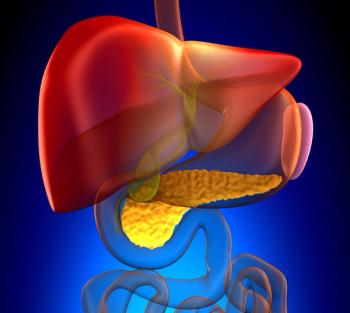
Namodenoson did not exhibit any new safety signals or unexpected toxicity as a treatment for patients with PDAC who progressed on at least 1 systemic therapy.
Although older patients saw a greater rate of AE-related discontinuations, survival outcomes were similar between groups.

An updated analysis of the eNRGy trial showed that zenocutuzumab may provide meaningful benefit beyond initial disease progression.
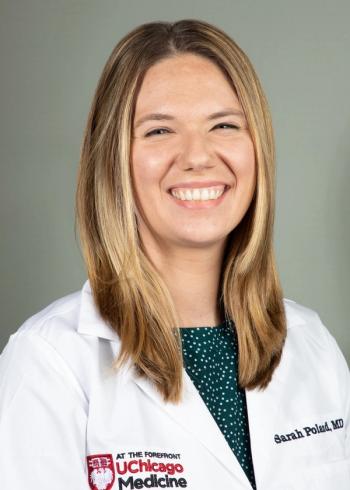
Sarah Poland, MD, discussed the landscape of immunotherapy in breast cancer, including clinical trial data, the rise of ADCs, and strategies for managing AEs.
Patients with metastatic colorectal cancer who desire better disease control are best served with trifluridine/tipiracil plus bevacizumab, according to Marwan G. Fakih, MD.

A predetermined change control plan was authorized as part of the premarket approval, allowing for AI enhancements without the need for FDA oversight.

If approved, iberdomide plus daratumumab/dexamethasone would offer patients more choices, according to Sagar Lonial, MD, FACP, FASCO.

Data from a phase 1b/2 study may support further assessment of AZD0120 in earlier treatment settings for patients with multiple myeloma.

Marwan G. Fakih, MD, discussed many of the factors he considers when deciding on a treatment for a patient with metastatic colorectal cancer.

Oncologists discussed key abstracts assessing AI models for treatment selection, AKT inhibition, and PARP inhibition in specific prostate cancer types.