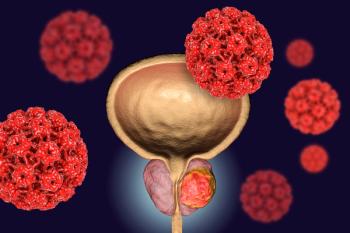
ASTRO now recommends moderate hypofractionation for all risk groups and SBRT as a standard option in low- and intermediate-risk localized prostate cancer.
ASTRO now recommends moderate hypofractionation for all risk groups and SBRT as a standard option in low- and intermediate-risk localized prostate cancer.
Nikolai Strusberg, MD, discussed other toxicities of proton vs photon breast radiation therapy, practice implications, and next steps in capsular contracture research.
Nikolai Strusberg, MD, explained the clinical hypothyroidism endpoint and how thyroid dose should guide proton vs photon choice in breast cancer.

Leah Katz, MD, MPH, discusses IDEA, TARGIT-B, NeoORB, and other breast radiation data from ASTRO 2026, and why patient selection is the unifying theme.
Nikolai Strusberg, MD, discussed how proton therapy reduced clinical hypothyroidism vs photon therapy after supraclavicular breast irradiation.
Leah Katz, MD, MPH, discussesed NeoORB data on neoadjuvant radiotherapy and why radiation timing may open new treatment paradigms in breast cancer.
Leah Katz, MD, MPH, explained how an intraoperative tumor bed boost in TARGIT-B may reduce distant relapse in young patients with breast cancer.
Leah Katz, MD, MPH, discusses long-term IDEA trial data on omitting radiation and why endocrine therapy tolerance matters in this decision.

Nikolai Strusberg, MD, discussed how proton therapy and thyroid dose affect clinical hypothyroidism risk after supraclavicular breast radiation.

Ayal Aizer, MD, MHS, discussed Alliance A071801 trial data favoring fractionated SRS over single-fraction SRS after brain metastasis resection.

In the phase 3 Alliance A071801 trial, postoperative fractionated SRS improved surgical bed control vs single-fraction SRS without added toxicity.

William A. Hall, MD, reviews resection rates, surgical complications, and SBRT target volumes from the SOFT Preop study in pancreatic cancer.
William A. Hall, MD, explains how fewer visits, no concurrent chemotherapy, and adaptive MRI guidance may have preserved quality of life with SBRT.
William A. Hall, MD, discussed how preoperative SBRT may serve as a platform for novel systemic therapies in pancreatic adenocarcinoma.
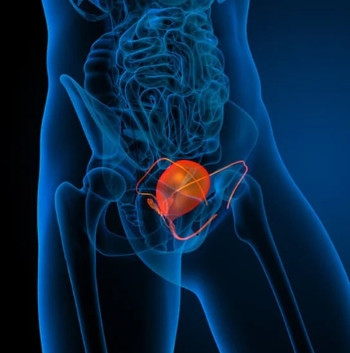
At 8 years, SBRT and radical prostatectomy had similar disease control in the PACE-A trial, with less urinary incontinence after SBRT.
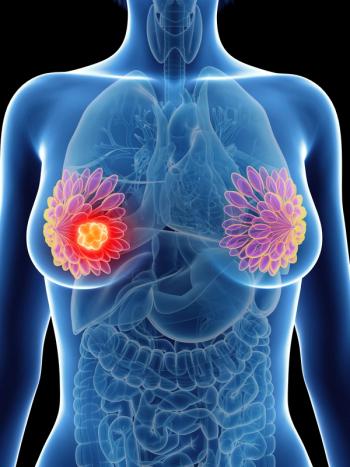
10-year CHN HYPOPMRT data show 3-week postmastectomy RT with nodal irradiation maintains locoregional control without added severe late toxicity.
Experts preview ASTRO 2026 presentations to watch, including those on SOFT Preop, PSMAgRT, radiosurgery for depression, and AI tools for patient safety.