

Collaboration among different medical and research institutions may help improve quality of care for patients with cancer exposed to climate disasters.
Collaboration among different medical and research institutions may help improve quality of care for patients with cancer exposed to climate disasters.
Experts discuss how, it is crucial to approach treatment strategies with both compassion and transparency. It is important to explain the complexity of the situation and maintain clear and accessible language when discussing treatment strategies with patients and their families.
Experts discuss how, there is a role for SRS in treating brain metastases such as if a patient were to have a large singular brain metastasis that is causing symptoms such as seizures of neurological decline, that SRS could be a warranted treatment.
Experts discuss specific biomarkers or clinical features that would prompt earlier consideration of trastuzumab deruxtecan or other HER2-directed therapies.
Experts discuss the factors supporting the choice of trastuzumab deruxtecan following disease progression and its mechanism of action in addressing resistance to prior HER2-targeted therapy and provide insights on the updated analysis from the DESTINY-Gastric02 Trial.

Patients with breast cancer who were treated with chemotherapy may have more pain, fatigue, and difficulty moving vs those who received endocrine therapy or did not have breast cancer.
Valerie Lee, MD, said that deciding where to implement immunotherapy into cancer treatment often depends on the type of disease.
A radiation oncologist discussed the theranostics treatment landscape and career opportunities in the field at the 2025 ACRO Summit.

Findings from the OVARIO study show that patients with HRR–deficient and BRCA-mutated disease benefitted the most from niraparib/bevacizumab maintenance.
A study assessed whether physicians would keep patients who received NSCLC surgery in the hospital longer as an improvisational strategy after wildfires.
ACRO presentations may enable community practices to utilize cutting-edge radiation advances to deliver optimal treatment to patients.
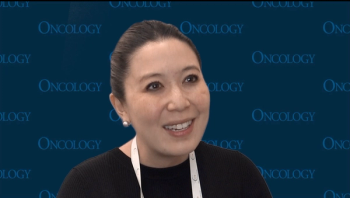
Antibody-drug conjugates like Rina-S may be able to salvage some of the responses that are often lost in the later lines of treatment, according to Elizabeth Lee, MD.
“There is, potentially, a role for Rina-S or other novel ADCs targeting different epitopes on the cancer cell surface,” Elizabeth Lee, MD, stated.
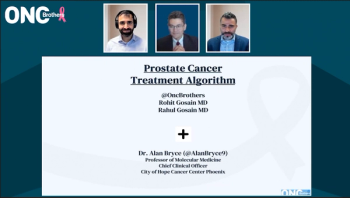
Experts discuss how to decide which robotic prostatectomy (RP) approach to utilize, considering factors such as patient characteristics, surgical outcomes, and the latest clinical evidence.
Experts discuss the role of PARP inhibitors in prostate cancer treatment, exploring their mechanisms, clinical benefits, and how they fit into current therapeutic strategies.
Experts discuss considerations for other androgen receptor inhibitors, highlighting their role in treatment strategies and how they impact patient outcomes in prostate cancer.
Experts give an overview of the treatment landscape in prostate cancer as of 2025.
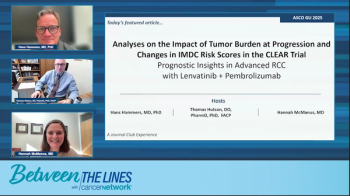
Experts share clinical pearls on synthesizing risk assessment and response patterns in the management of advanced renal cell carcinoma.

Panelists discuss how the choice between chimeric antigen receptor T-cell (CAR T) therapy and autologous stem cell transplantation (auto-SCT) requires careful evaluation of multiple patient-specific factors. Medical professionals consider disease type and stage, prior treatments, patient age and fitness, cytogenetic risk, donor availability, and timing. CAR T may be preferred for relapsed/refractory cases, whereas transplant remains standard for eligible newly diagnosed patients.
Panelists discuss how patient-specific characteristics in diffuse large B-cell lymphoma significantly impact chimeric antigen receptor T-cell (CAR T) therapy outcomes, suggesting that standardized treatment algorithms may need refinement. Factors like tumor biology, immune status, and genetic profiles could help optimize therapeutic selection and sequencing.
Experts discuss risk score stability and post lenvatinib plus pembrolizumab treatment selection in renal cell carcinoma.
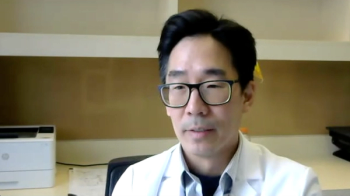
“As a field, we’re trying to push hard to make [radiation] patient-centered, and because of that, the field is the future of the field is pretty bright,” James B. Yu, MD, MHS, FASTRO, stated.

Prolonging systemic therapy in patients with gastric or gastroesophageal junction cancers may offer better outcomes than radiation therapy.
James B. Yu, MD, MHS, FASTRO, believes that 2 of the most intriguing and growing areas of radiation oncology are reirradiation of the prostate and bladder chemoradiation.
Most adverse effects observed in combination therapies for gastric cancers are associated with chemotherapy, according to Yelena Y. Janjigian, MD.
“The idea is that the patients are informed of the long-term consequences [of the treatments] so they can have some [input in] decision making,” Clara Bodelon, PhD, MS, stated.

Christina Henson, MD, spoke about the impact negative trial results can have on advancing the head and neck cancer field forward.
Experts discuss future directions and key insights in treating large B-cell lymphoma (LBCL).
Experts discuss the PD-L1 combined positive score (CPS) and its influence on treatment decisions as well as the clinical significance of a high CPS in guiding the use of immune checkpoint inhibitors such as pembrolizumab in HER2-positive gastric cancer.
Experts discuss safety management and monitoring protocols for liso-cel in treating relapsed/refractory large B-cell lymphoma.