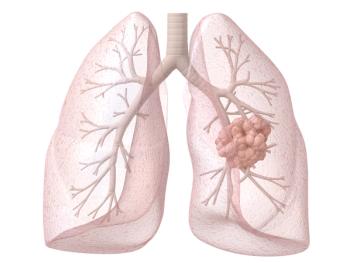
The oral KRAS G12D inhibitor VS-7375 produced responses in pancreatic, colorectal, and lung cancers in the phase 1/2 TARGET-D 101 trial.
Results from the phase 3 RASolute 302 trial showed that daraxonrasib improved median OS compared with standard chemotherapy in metastatic PDAC.
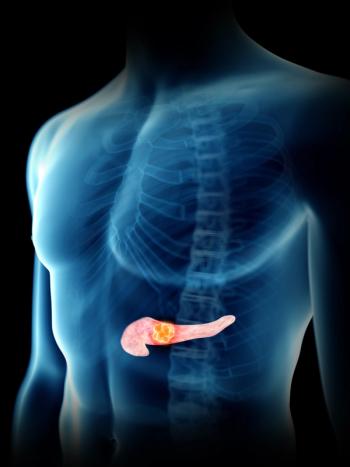
The phase 3 RASolute 302 trial (NCT06625320) evaluating the multiselective RAS(ON) inhibitor daraxonrasib has met its primary and key secondary end points, demonstrating a statistically significant and clinically meaningful improvement in overall survival (OS) and progression-free survival (PFS) for patients with previously treated metastatic pancreatic ductal adenocarcinoma (PDAC).1
According to a news release from Revolution Medicines, the oral agent approximately doubled the median OS compared with investigator’s choice of standard-of-care chemotherapy. This survival benefit was observed across the intent-to-treat population, which included patients with various RAS mutations and those with RAS wild-type disease.
“For patients with metastatic pancreatic cancer, new treatment options are urgently needed to increase survival time and improve quality of life,” stated Brian M. Wolpin, MD, MPH, professor of medicine at Harvard Medical School, director of the Hale Family Center for Pancreatic Cancer Research at Dana-Farber Cancer Institute, and principal investigator for the RASolute 302 trial.1 “The widely anticipated results of this study indicate that daraxonrasib provides a clear and highly meaningful step forward for patients with pancreatic cancer who have experienced progression on prior treatment, typically chemotherapy. I believe that this new approach is a very important advance for the field that I expect will be practice changing for physicians and improve the care for patients with previously treated metastatic pancreatic cancer.”
Top-line findings from the pivotal study revealed that patients treated with daraxonrasib achieved a median OS of 13.2 months compared with 6.7 months for those receiving standard intravenous chemotherapy. This resulted in an HR of 0.40 (P < .0001), representing a 60% reduction in the risk of death. The trial also demonstrated statistically significant gains in PFS.
Regarding safety, treatment with daraxonrasib was generally well tolerated, with no new safety signals and a manageable safety profile.
These findings are being submitted for presentation at the
The global, randomized RASolute 302 trial enrolled approximately 501 adult patients with histologically or cytologically confirmed metastatic PDAC.2 Eligible patients were required to have an ECOG performance status of 0 or 1, measurable disease per RECIST v1.1 guidelines, and adequate organ function. The study protocol included patients with documented RAS mutations at codon 12, 13, or 61.
Study patients were randomly assigned in a 1:1 ratio to receive either 300 mg of daraxonrasib administered orally once daily or investigator’s choice of standard cytotoxic chemotherapy. The dual primary end points were PFS as assessed by blinded independent central review and OS in patients with tumors harboring RAS G12 mutations. Secondary end points included PFS and OS in the intention-to-treat population as well as objective response rate, duration of response, and patient-reported quality of life.
Previously, daraxonrasib was granted breakthrough therapy designation and orphan drug designation by the FDA for patients with previously treated metastatic PDAC harboring G12 mutations.3
“In this pivotal trial, daraxonrasib as a targeted medicine delivered a dramatic improvement in OS in patients with previously treated metastatic pancreatic cancer compared with standard-of-care chemotherapy, consistent with earlier findings. These results represent a potentially transformative advance for patients and underscore daraxonrasib’s potential to redefine the treatment landscape,” added Mark A. Goldsmith, MD, PhD, CEO and chairman of Revolution Medicines, in the press release.1 “We are moving with urgency toward global regulatory submissions and remain committed to rapidly advancing this therapy for patients with a broad range of RAS-addicted cancers. We are deeply grateful to the patients, families, investigators, and study teams whose participation made the RASolute 302 trial possible, and we look forward to sharing detailed results with the scientific and clinical communities.”