






Surgery
Latest News
Advertisement
Latest Videos






























































Advertisement
More News

Secondary primary lung cancer rates and cumulative incidence rates were similar in multiple subgroups of patients with stage T1aN0 non–small cell lung cancer.

Over half of the patients with HER2-negative gastric or gastroesophageal junction adenocarcinoma achieve a major pathological complete response following treatment with sintilimab plus FLOT in a phase 2 trial.

A retrospective cohort study from the Trans-Atlantic Pancreatic Surgery Consortium determined a sustained OS rate with modified FOLFIRINIX in patients with pancreatic ductal adenocarcinoma.

Results from a phase 2 trial support the safety and tolerability of VGT-309 in patients with suspected lung cancer who undergo standard-of-care surgical resection.

Resection can be safely performed in select patients with cT4 non–small cell lung cancer without compromising perioperative survival, according to Neel Chudgar, MD.

Both the FDA and European Medicines Agency applications were based on findings from the phase 3 CheckMate-77T trial in patients with resectable non–small cell lung cancer.

Patients with benign thyroid tumors resected with a transoral endoscopic thyroidectomy vestibular approach have less complications vs those treated with a standard surgical approach.

Starting April 1, 2024, Diane Simeone will be the new director of UCSD Moores Cancer Center.
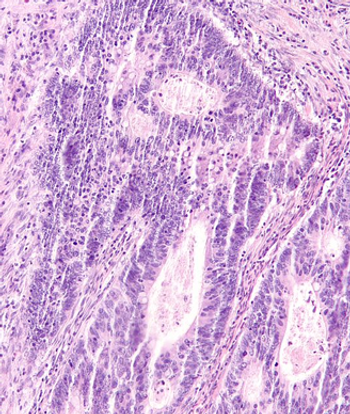
Results from the randomized LASRE trial support the use of laparoscopic-assisted surgery for patients with low rectal cancer.

Expanding or updating coverage with Medicaid may lead to positive health outcomes among patients with non–small cell lung cancer following surgery, according to Leticia Nogueira, PhD, MPH.

Investigators note that early interventions such as nutritional support and prehabilitation require further investigation to increase both the quality of life and overall survival for patients with esophageal cancer.

Findings from a secondary analysis of a phase 3 trial support stereotactic radiosurgery as a standard of care for those with brain metastases, although whole-brain radiotherapy may yield more local and distant control.

Data demonstrate efficacy of robotic surgery for colectomies, which is swiftly becoming the 'preferred approach' for surgeons.

Oncoplastic surgery requires collaboration between different surgical teams, pathologists, and radiologists to ensure optimal cosmetic and survival outcomes for patients with breast cancer, says Roshani Patel, MD, FACS.

Govindarajan Narayanan, MD, speaks to the potential time-saving advantages of using the Epione robot for microwave ablation, cryoablation, and other surgical strategies in patients with liver cancer and other tumors.

The Epione robot eliminates the need for multiple check scans during surgery by allowing physicians to target a tumor with a single button press, according to Govindarajan Narayanan, MD.
The Epione robot may help less experienced surgeons carry out complex cases with a high level of accuracy, says Govindarajan Narayanan, MD.

Use of the surgical Epione robot will save a significant amount of time when performing surgery for patients with liver tumors and potentially other cancers, says Govindarajan Narayanan, MD.
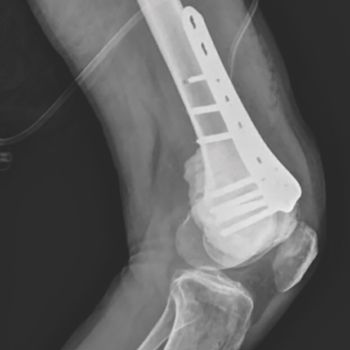
Hans Kristian Nugraha, MD, SpOT, and colleagues detail the potential benefits of an arthroscopic surgical approach through a case study of a patient with giant cell tumor of bone.

As part of Breast Cancer Awareness Month, CancerNetwork® spoke with Deborah M. Axelrod, MD, about developments within the surgical breast cancer space, including decreasing the need for re-excision and full lymph node dissection.

Patients undergoing complex oncologic surgery for head and neck cancer appeared to have shorter hospital stays when using a multiprofessional assessment and information day compared with those who did not.

Black patients were reported to be significantly less likely to receive standard of care surgical treatment for cancer of the gastrointestinal tract compared with White patients.

Patients with bladder cancer reported improvements in physical and social scores following radical cystectomy, although body image and sexual functioning scores decreased.

A novel imaging technique using the folate analog tracer FA-S0456 was able to detect small, nonpalpable lung lesions otherwise undetectable by traditional means during resection surgery.

The FDA issues a warning regarding the use of robotically-assisted surgical devices for mastectomy procedures related to breast cancer.
Advertisement
Advertisement
Trending on CancerNetwork
1
Multimodal Biopsy Combo Shows Low Morbidity in Suspected Prostate Cancer
2
Distal Extrahepatic Cholangiocarcinoma May Gain From Neoadjuvant Radiation
3
Exploring Advancements in Targeting KRAS in Cholangiocarcinoma
4
Sequencing CAR T Therapy and Bispecifics in Follicular and Mantle Cell Lymphoma
5