


Kidney Cancer
Latest News
Advertisement
Video Series

Latest Videos







Shorts

0:58
Larger Studies Needed to Elucidate Fusion Partner to p16 in tRRC
a month ago
by
Shikha Gupta, PhD

0:38
Leveraging Neoadjuvant Strategies to Bolster Cure Rates in Kidney Cancer
2 months ago
by
Karie Danielle Keera Runcie, MD

0:49
Cabozantinib Combo Displays Feasibility in Metastatic Kidney Cancer Group
2 months ago
by
Karie Danielle Keera Runcie, MD

1:14
Considering Reduced Dose Immunotherapy for Frail Metastatic ccRCC Groups
3 months ago
by
Sahil D. Doshi, MD
Podcasts






























































Advertisement
More News

The simlukafusp alfa–containing triplet displayed a profile comparable to the safety of each individual drug in this RCC population.

Shikha Gupta, PhD, discussed the biology of tRCC and the mechanistic rationale behind combining CDK4/6 inhibition with selective mTORC1 targeting.
Patrick A. Kenney, MD; and David A. Braun, MD, PhD, discussed parameters they use to determine a patient’s eligibility for cytoreductive nephrectomy.
The safety profiles of the pembrolizumab-based combination regimens were consistent with those observed in previously reported studies.

Phase 2 Cyto-KIK findings showed that a subset of patients with high-risk kidney cancer exhibited responses and underwent monitoring post-cabozantinib.
Experts discussed the clinical implications of the LITESPARK-011 trial of belzutifan plus lenvatinib following a presentation of efficacy findings at ASCO GU.

Experts in genitourinary oncology outlined factors to consider when sequencing immunotherapy, tyrosine kinase inhibitors, and other RCC therapies.
Germline platelet polygenic risk score predicted a 37% higher risk of death in patients with renal cell carcinoma, mediated by sustained thrombocytosis.

The addition of SBRT to an immunotherapy doublet did not significantly affect safety outcomes among patients with de novo metastatic RCC.
Belzutifan plus adjuvant pembrolizumab conferred a 28% reduction in the risk of disease recurrence or death in those with high-risk ccRCC following nephrectomy.
SBRT was considered safe among patients with advanced renal cell carcinoma when added to the immunotherapy combination.
Based on findings from LITESPARK-11, belzutifan/lenvatinib may represent a new option in previously treated renal cell carcinoma.
New biomarker data showed a correlation between magnitude and durability of serum erythropoietin suppression by casdatifan for this group.
Structured exercise interventions may mitigate TRAE, such as fatigue, but data in metastatic RCC are limited.
Irpagratinib demonstrated superior survival among patients with hepatocellular carcinoma who were pretreated with ICIs and mTKIs.
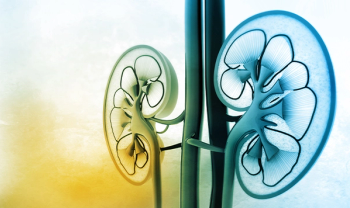
No differences in complication rate were observed between the MIXREAL and control groups among those treated for kidney cancer in the REALITATEM trial.
The median progression-free survival was significantly higher with donor vs placebo fecal microbiota transplantation in this RCC population.
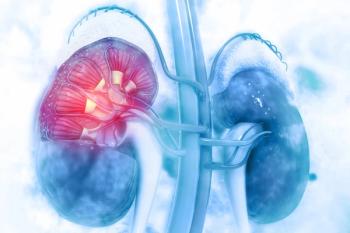
A first-in-human phase 1/2 trial is evaluating the theranostic pair of ITM-91 and ITM-94 in patients with solid tumors.
Pembrolizumab plus belzutifan is the first combination therapy to improve DFS vs pembrolizumab monotherapy in the adjuvant treatment of those with RCC.
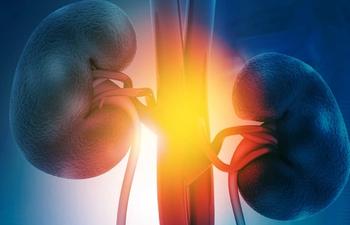
Belzutifan/lenvatinib also showed a favorable trend toward improvement for overall survival in this advanced renal cell carcinoma population.

Data from the FRUSICA-2 trial may support fruquintinib/sintilimab as a “valuable” option for patients with advanced renal cell carcinoma.
Casdatifan, administered at 100 mg once daily, achieved a confirmed ORR of 35% in patients with pretreated metastatic kidney cancer.
Changes in FKSI-15 scores from baseline indicated more favorable HRQOL outcomes with the benmelstobart combo vs sunitinib in advanced ccRCC.
External validation will be assessed in cohort 2 of the AURORAX-0087A trial to improve recurrence detection for clear cell renal cell carcinoma.

Current research initiatives in the kidney cancer field include exploring anti–PD-1, anti–LAG-3, and anti–CTLA-4 combination regimens.
Advertisement
Advertisement
Trending on CancerNetwork
1
GLP-1 Receptor Agonists Show Modest Reduction in HR+ Breast Cancer Incidence
2
FDA Grants Priority Review to Giredestrant in ER+/HER2– Early Breast Cancer
3
BCMA CAR T-Cell Therapy Improves OS Vs Teclistamab in Multiple Myeloma
4
Ivonescimab Combo Yields Encouraging Activity in Previously Treated SCLC
5