For patients with head and neck squamous cell carcinoma and contraindications to cisplatin, durvalumab yielded worse PFS vs cetuximab.
For patients with head and neck squamous cell carcinoma and contraindications to cisplatin, durvalumab yielded worse PFS vs cetuximab.

Bolstering the effectiveness of T cells and the further implementation of AI can both yield positive results in the future of pancreatic cancer treatment.
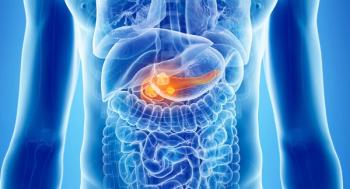
Shubham Pant, MD, MBBS, highlights how pan-RAS inhibitors, RAS-directed vaccines, and biomarker testing can improve outcomes in pancreatic cancer.
Immunohistochemistry presents a solution to the obstacles that the different identified cellular neighborhoods in pancreatic tumors create.
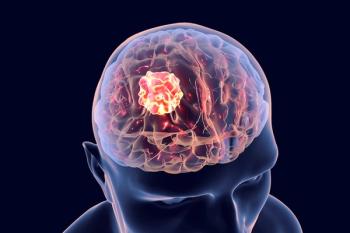
Treatment with vorasidenib also confers better seizure control than placebo in the phase 3 INDIGO study.
Researchers are trying to figure out how to create immune memory with immunotherapy in patients with pancreatic cancer.
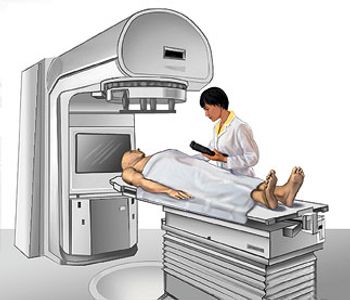
ASTRO assembled a task force to create a guideline for the administration of palliative external beam radiation therapy for patients with symptomatic bone metastases.
Medical use of AI increases every day, and in the future, will be exponentially greater and many forms of treatment will be improved, according to Russell C. Langan, MD, FACS, FSSO.

Performing ablation and injecting tumor sites with immunotherapy may be “synergistic”, according to Jason R. Williams, MD, DABR.

The European Commission has approved tislelizumab plus chemotherapy as treatment for patients with esophageal and gastric or GEJ cancer.
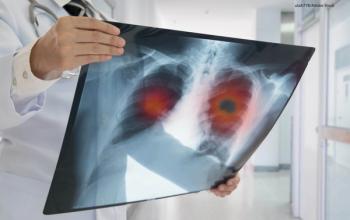
Despite gaps in biomarker testing accessibility, the lung cancer survival rate has improved by 26% over the last 5 years.

Shubham Pant, MD, MBBS, highlights an “exciting time” in the treatment of patients with RAS-mutated pancreatic cancer.
Greater direct access to academic oncologists may help address challenges associated with a lack of CAR T education in the community setting.
A computational linguistics model designed to locate pancreatic cysts that started to locate pancreatic cancer has the potential to lead to more efficient treatment.

Tiragolumab with atezolizumab, when compared with placebo with atezolizumab, failed to reach its overall survival end point in patients with NSCLC.
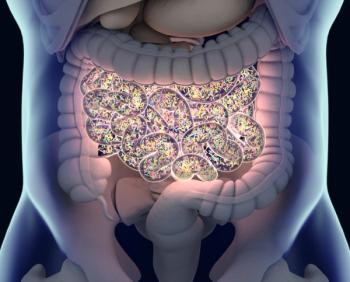
For patients with KRAS-mutated colorectal cancer, onvansertib plus FOLFIRI/bevacizumab was effective in those who had not received prior bevacizumab.
Brett L. Ecker, MD, discusses the importance of multidisciplinary collaboration in improving patient outcomes in neuroendocrine tumors.
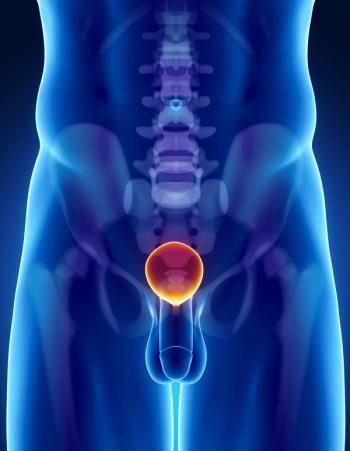
Data show an early trend towards improved overall survival with capivasertib plus abiraterone and androgen deprivation therapy in CAPItello-281.
A computational linguistics model has mitigated disparities in surveillance of the pancreas that primarily affected racial and ethnic minorities.

Findings from the Phase 3 AURIGA trial support the use of lenalidomide plus daratumumab vs lenalidomide alone as post-transplant maintenance therapy for patients with newly diagnosed multiple myeloma.
Researchers at SickKids Hospital and McMaster University have developed a novel CAR T-cell therapy targeting ROBO1 for the treatment of recurrent glioblastoma.
A BLA has been accepted by the FDA for 2 belantamab mafodotin combinations that have shown positive results in patients with multiple myeloma.

Tanios S. Bekaii-Saab, MD, provides an overview of current therapy options and ongoing initiatives involving targetable alterations in those with pancreatic cancer.
Genetic consultation and next-generation sequencing can also complement treatment strategies for patients with pancreatic cancer.
An advanced computation linguistics model that can detect pancreatic cysts can help patients prevent pancreatic tumors from forming.
Brett L. Ecker, MD, focused on the use of de-escalation therapy, which is gaining momentum in neuroendocrine tumors.
Immunotherapy options like CAR T-cell therapy and antigen-presenting cell-directed agents are currently being evaluated in the pancreatic cancer field.
Certain bridging therapies and abundant steroid use may complicate the T-cell collection process during CAR T therapy.

The VIOLETTE trial, which used OBT-fusion technology for patients with focal ablation of the prostate by microwave needles, released interim results.
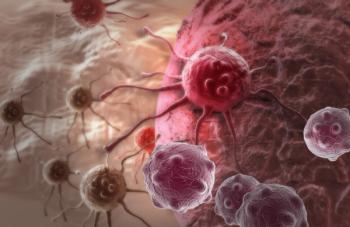
Vusolimogene oderparepvec in combination with nivolumab has received breakthrough therapy designation from the FDA in advanced melanoma.