

Scarlett Lin Gomez, MPH, PhD, highlights facts from her research that are impacting cancer disparities and how she is finding ways to improve them.
Scarlett Lin Gomez, MPH, PhD, highlights facts from her research that are impacting cancer disparities and how she is finding ways to improve them.

Idecabtagene vicleucel led to high rates of MRD negativity in multiple myeloma who responded did not have complete responses to first-line therapy.

Frances Chow, MD, and Elizabeth Ren Zhang-Velten, MD, PhD, spoke about several facets of the current brain tumor landscape, including targeted therapies.
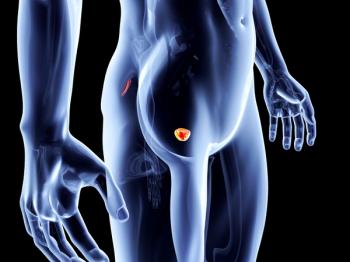
Olaparib plus abiraterone improved radiographic PFS and overall survival in mCRPC patients with germline or somatic BRCA mutations vs placebo plus abiraterone.

Efficacy results demonstrated by regorafenib and sintilimab in patients with mSS mCRC were dependent on patient characteristics such location of metastasis and RAS type.
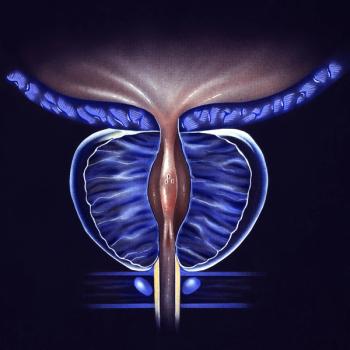
A team from the University of Munich analyzed HRQOL outcomes in rural/urban patients with bladder cancer and after ADT treatment and postoperative radiotherapy in prostate cancer.

IBI363 demonstrated encouraging efficacy and a manageable safety profile in patients with squamous NSCLC based on results from a phase 1 trial.

Ruxolitinib shows promise in improving transplant outcomes for myelofibrosis patients by reducing GVHD incidence without compromising survival.
As MZL is such a rare subtype of lymphoma, it can be hard to find or begin trials geared specifically toward this population.

Clinicians outline the significance of the MZL Workshop, where a gathering of international experts in the field discussed updates in the disease state.
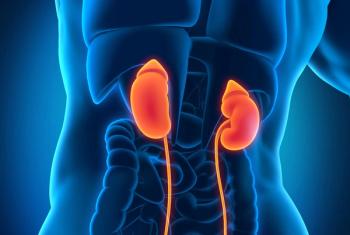
The TiNivo-2 trial found comparable PROs with tivozanib plus nivolumab vs tivozanib monotherapy in advanced clear cell RCC.

Data from a multiple myeloma mouse xenograft model demonstrated promising tumor regression activity from OPN-6602 monotherapy and in combination with standard of care agents.

The hood technique, developed by Ash Tewari, MD, aids in facilitating earlier returns of continence with reduced residual cancer rates.
Ahmad Tarhini, MD, PhD, and Hussein A. Tawbi, MD, PhD, discussed data from the RELATIVITY-047 and CheckMate 076 trial for patients with melanoma.
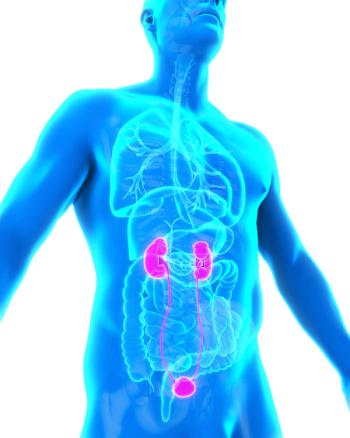
The phase 2 EPIC trial assessing patients with penile carcinoma met its primary end point of clinical benefit rate, with the lower bound of the confidence interval exceeding the null hypothesis limit.

Data from the ENVISION and ATLAS trials demonstrated clinically meaningful responses with UGN-102 in the treatment of low-grade, intermediate-risk NMIBC.
Results from the FELIX study showed that obe-cel induces high rates of MRD-negative remission in relapsed/refractory B-ALL, leading to improved EFS and OS.
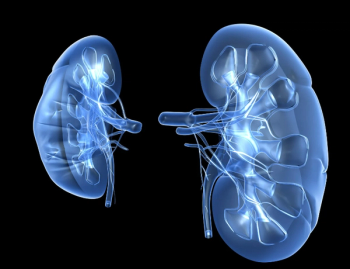
Efficacy results remained consistent with previous reports in the cabozantinib, nivolumab, and ipilimumab arm for patients with advanced renal cell carcinoma.
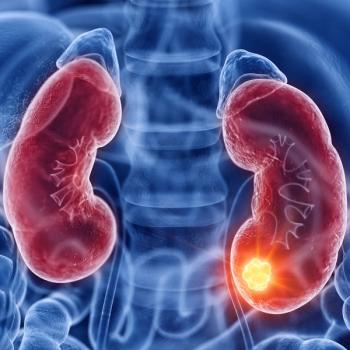
Nivolumab plus cabozantinib yielded a median PFS of 16.4 months compared with 8.3 months from sunitinib alone in the first-line treatment of patients with advanced RCC.
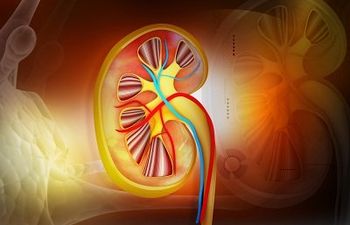
Greater responses were observed in a cohort of patients with renal cell carcinoma receiving lenvatinib plus belzutifan vs pembrolizumab plus lenvatinib.
Investigators of a phase 2 study will continue to assess long-term efficacy and quality-of-life outcomes in those who receive lenvatinib/pembrolizumab.
Data from RELATIVITY-047 show consistent benefits with nivolumab/relatlimab across most patient subgroups, including those with BRAF-mutated disease.
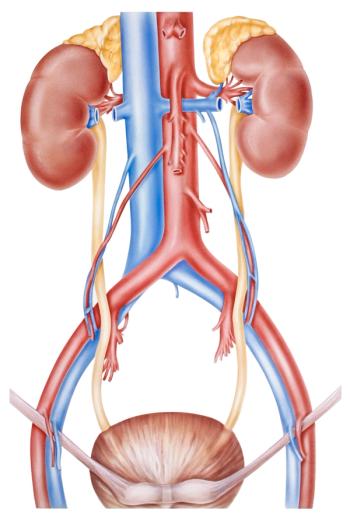
Data from the EV-302 trial support enfortumab vedotin plus pembrolizumab as a new standard of care in frontline urothelial cancer.

The safety profile of dato-DXd in the phase 1 TROPION-PanTumor01 trial is comparable with prior reports of the agent.

During the 66th American Society of Hematology Annual Meeting and Exposition, experts in multiple myeloma gathered to discuss the impact of maintenance therapy and minimal residual disease (MRD) in patients with newly diagnosed transplant-eligible or -ineligible multiple myeloma.

Updated CARTITUDE-4 trial data show cilta-cel induces deep MRD negativity in patients with lenalidomide-refractory multiple myeloma.
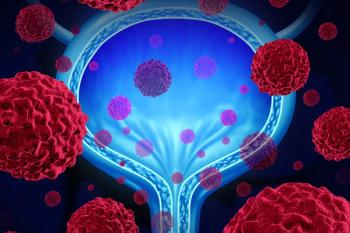
Avelumab maintenance demonstrated improved survival outcomes in advanced urothelial carcinoma, including patients with diabetes, in the JAVELIN Bladder 100 study.
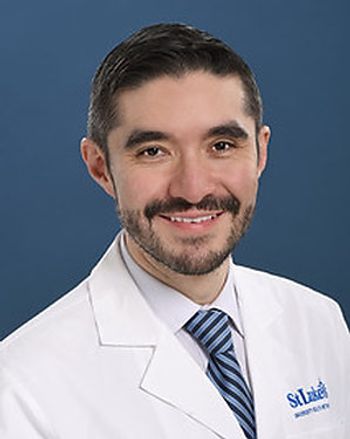
Artificial intelligence may act as a force multiplier, with the automation of menial tasks enabling more time for clinicians to engage with patients.
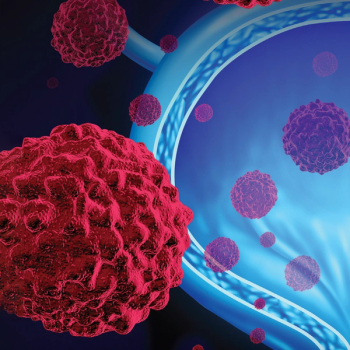
New data from a small retrospective analysis showed activity with enfortumab vedotin and pembrolizumab in UTUC lesions.

Patients with neuropathy experienced a longer PFS with enfortumab vedotin vs those without neuropathy, skin rash, or hyperglycemia.