

Christine Bestvina, MD, stated that the presence of EGFR and ALK mutations can affect the way that a patient will react to treatment and should be factors that physicians consider.
Christine Bestvina, MD, stated that the presence of EGFR and ALK mutations can affect the way that a patient will react to treatment and should be factors that physicians consider.

The safety profile of pembrolizumab plus neoadjuvant chemotherapy was consistent with the known profiles for each treatment.

The diagnostic accuracy of radiologists aided by the eyonis LCS AI software was greatly improved compared with when radiologists were unaided.

6-thio-2’-deoxyguanosine sequenced plus cemiplimab elicited an OS of 16.9 months in the third-line setting for patients with advanced non–small cell lung cancer.
“We need some longer-term overall survival data to help discuss with patients the best treatment of choice for them,” Christine Bestvina, MD, said.
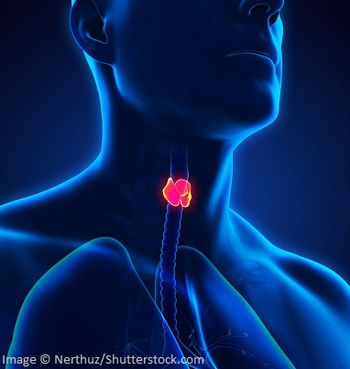
A greater proportion of excellent responses were reported without radioiodine than with radioiodine when treating patients with low-risk thyroid cancer.
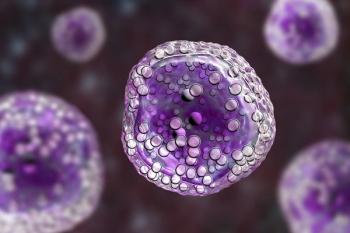
Clonal hematopoiesis may be associated with the early development of toxic events in patients with newly diagnosed multiple myeloma.

Adagrasib elicited higher efficacy in combination with mTOR inhibitors vs alone when treating patients with KRASG12C-mutant non–small cell lung cancer.
Additional local, regional, or national policy may bolster access to screening for colorectal cancer, according to Aasma Shaukat, MD, MPH.
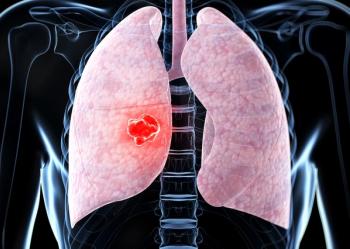
Support for the recommendation is based on phase 3 ADRIATIC trial results showing a 27% reduction in the risk of death with durvalumab vs placebo.
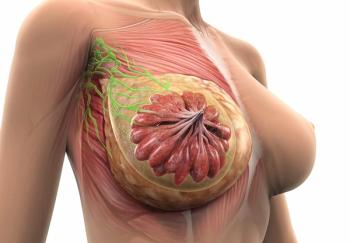
Data from analytical similarity studies and comparative clinical trials support the application of HLX11 in HER2-positive breast cancer.

Options like acupuncture or cannabis use may be viable to help manage symptoms related to gastrointestinal cancer treatment.
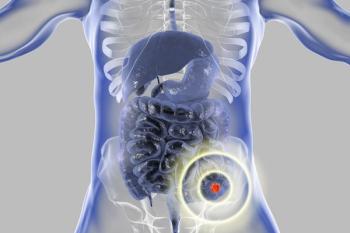
Full progression-free survival results for patients with BRAF V600E mCRC from the phase 3 BREAKWATER trial will be presented at an upcoming medical conference.

Coral Omene, MD, PhD, and Mariam Eskander, MD, MPH, discuss how to continue engagement in clinical trial enrollment for underserved populations.
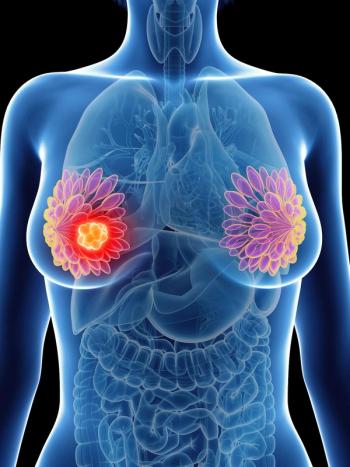
The PATHWAY HER2 test has been approved to identify patients with HER2-ultralow metastatic breast cancer who may benefit from treatment with T-DXd.

Anant Madabhushi, PhD, and Farzad Fereidouni, PhD, are developing the MarginCall technology to reduce time lag and improve tumor margin assessment accuracy in breast and ovarian cancer surgery.

Eric Jonasch, MD, believes that the Kidney Cancer Research Consortium may broaden their reach to provide care to many different groups of patients.

Real-world data show that closer monitoring may be necessary for patients with relapsed/refractory multiple myeloma and baseline renal impairment.
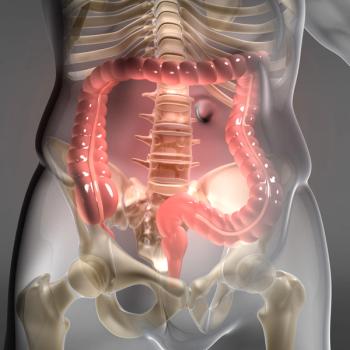
There were fewer adverse effects and no treatment-related deaths associated with thermal ablation vs surgical resection for patients with colorectal liver metastases.

Data support cetuximab/radiotherapy as a suitable option in carefully selected patients with HPV-negative squamous cell carcinoma of the head and neck.
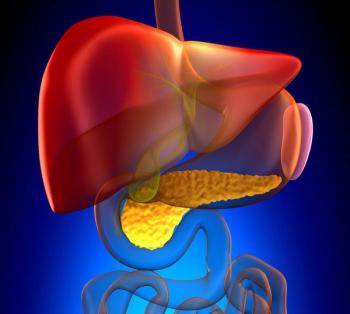
Findings from the CheckMate 9DW trial support the CHMP’s recommendation for approving nivolumab/ipilimumab for those with unresectable HCC.
The mechanism of action for daraxonrasib inhibits effectors and signaling while forming a relatively unstable tri-complex with codon 12 mutations.

Incorporating frailty evaluation into practice may alter clinical decision-making for preoperative planning and patient counseling for gynecologic surgery.

Results from the ZN-c3-001, MAMMOTH, and DENALI trials demonstrated meaningful ORRs with azenosertib in platinum-resistant ovarian cancer.

The TRANSCEND FL trial showed that liso-cel elicited an ORR of 97.1% and a complete response rate of 94.2% in patients with follicular lymphoma.
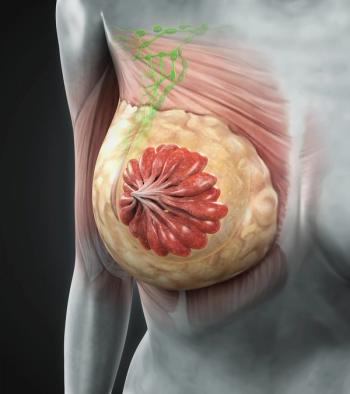
The PFS benefit with lerociclib plus fulvestrant was observed across all patient subgroups for those with HR–positive/HER2–negative advanced breast cancer.

“It does appear like MET expression could be one of the mechanisms wherein you could differentiate between responders and non-responders,” Kanwal P.S. Raghav, MBBS, MD, stated.
Almost all patients evaluable for efficacy reported a decrease in ctDNA when treated with daraxonrasib for RAS-mutant pancreatic ductal adenocarcinoma.

“Frozen section is destructive. It ruins the tissue, it consumes the tissue, and it affects downstream molecular analysis,” according to Farzad Fereidouni, PhD.
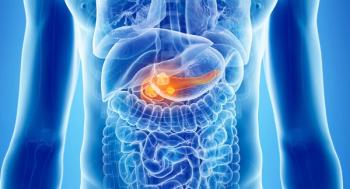
Data from 2025 ASCO GI support the potential role that combinations such as nivolumab/ipilimumab may play a part in managing different types of GI cancers.