

For patients with NSCLC, subcutaneous pembrolizumab appeared noninferior vs intravenous pembrolizumab for study end points when combined with chemotherapy.
For patients with NSCLC, subcutaneous pembrolizumab appeared noninferior vs intravenous pembrolizumab for study end points when combined with chemotherapy.

The use of CAR T-cell therapy and other sequencing options were discussed for patients with multiple myeloma.

“How do we personalize and improve patient selection for frontline treatment now that patients are living, on average, more than 2 years with this aggressive cancer?” said David H. Aggen, MD, PhD
Harmonizing protocols across the health care system may bolster the feasibility of giving bispecifics to those with lymphoma in a community setting.

A panel discussed on RCC and the differentiation in the identification and treatment of clear and non-clear cell RCC.

FoundationOne Liquid CDx has been approved as a diagnostic tool for tepotinib in patients with non–small cell lung cancer METex14 skipping alterations.

The incorporation of palliative care specific to mental health services and therapy remains underutilized in the care of patients with pancreatic cancer.

Patients who face smoking stigma, perceive a lack of insurance, or have other low-dose CT related concerns may benefit from blood testing for lung cancer.

Pembrolizumab with platinum-based chemotherapy yielded encouraging progression-free and overall survival outcomes in this patient population.

A nurse practitioner gives a closer look into the risk factors, diagnosis, adverse effects, and future treatments associated with pancreatic cancer.

The CHMP recommended for approval nivolumab/ipilimumab for patients with MSI-H and dMMR unresectable or metastatic colorectal cancer.

Experts in multiple myeloma discussed real-world efficacy and safety data associated with the use of GPRC5D-targeting bispecific agents to treat patients with R/R multiple myeloma.

A leader from the adolescent and young adult lymphoma space discusses how collaboration between adult and pediatric oncologists has transformed the field.

“When thinking about treatment options for refractory DLBCL you consider: Is it safe to give an older patient CAR T-[cell therapy]?,” said Jennifer Amengual, MD.

Clinicians focused on CLL, follicular lymphoma, and MCL gathered during a Frontline Forum to discuss the use of BTKi in each respective disease state.

Patients with any type of cancer showed better QOL after undergoing the radical remission multimodal intervention method.

David M. Swoboda, MD, and Andrew Kuykendall, MD, spoke about the current treatment strategies and potential advancements that may improve outcomes such as spleen volume reduction in the myelofibrosis field.

The FDA has approved revumenib (Revuforj) for the treatment of patients with relapsed/refractory acute leukemia with a KMT2A translocation in adult and pediatric patients 1 year and older.

Barriers and gaps in treatment and care for patients diagnosed with gynecologic cancers were reported in a recent survey.

Developers are expected to file a supplemental NDA for revumenib in NPM1-mutated AML in the first half of 2025.

Data from the phase 2/3 KEYNOTE-483 trial support the CHMP’s recommendation for approving pembrolizumab/chemotherapy in the European Union.

Establishment of an AYA Lymphoma Consortium has facilitated a process to better understand and address gaps in knowledge for this patient group.

HER-directed treatment approaches in the tumor-agnostic field were the highlight of the discussion for a panel of experts who convened at WCLC 2024.
Patients with Philadelphia chromosome–positive CML in chronic phase will no longer be required to fast before taking nilotinib tablets.

Data from the phase 2b ReNeu trial may support mirdametinib as a valuable new treatment option for adults and children with NF1-PN.
Adult and pediatric oncology collaboration in assessing nivolumab in advanced Hodgkin lymphoma facilitated the phase 3 SWOG S1826 findings.

Survival data from the interim analysis of the phase 3 DREAMM-7 trial will be presented at the 2024 ASH Annual Meeting.
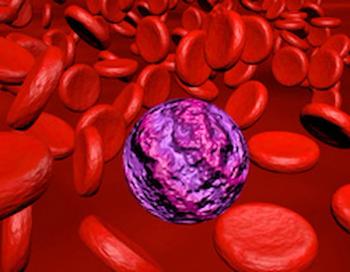
Nicole Lamanna, MD, discusses addressing a clinically unmet need among patients with CLL who have relapsed on multiple prior lines of therapy.

Denileukin diftitox plus pembrolizumab yields objective responses and clinical benefit in patients with recurrent solid tumors.
Treatment paradigms differ between adult and pediatric oncologists when treating young adults with lymphoma.