
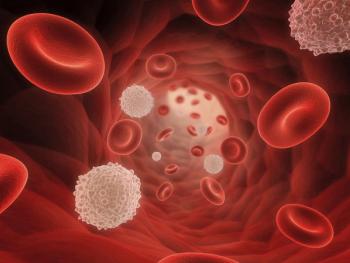
Data from a phase 1 study support further analysis of BGB-16673 across several B-cell malignancies, according to the study investigators.
Data from a phase 1 study support further analysis of BGB-16673 across several B-cell malignancies, according to the study investigators.

Eflornithine, which was approved in adult and pediatric patients with high-risk neuroblastoma, was assessed in an externally controlled trial comparing results from Study 3b and Study ANBL0032.

Data from the phase 1/2 MonumenTAL-1 studies support flexibility to adjusting the dose of talquetamab in patients with relapsed/refractory multiple myeloma who already have a response.
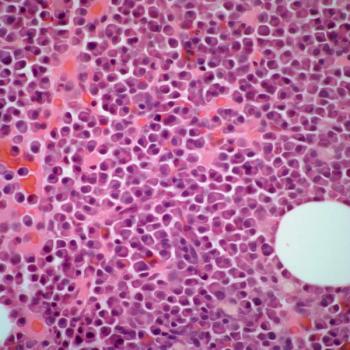
Because patients with myeloma are at a high risk for financial hardship, study findings support the use of a financial navigation program to reduce financial toxicities of patients.
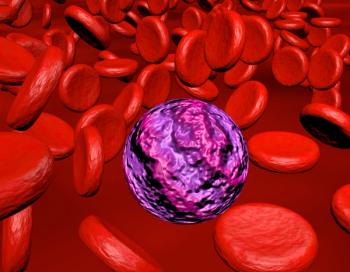
Revumenib treatment results in durable MRD-negative remissions in pediatric and adult patients with relapsed/refractory KMT2A rearranged acute leukemia in the phase 2 Augment-101 study.

The European approval for dostarlimab and chemotherapy for dMMR/MSI-H, primary advanced or recurrent endometrial cancer is based on data from part 1 of the phase 3 RUBY/ENGOT-EN6/GOG3031/NSGO trial.

It is important to look at different assays beyond immunohistochemistry to better gather information and potentially predict the activity of trastuzumab deruxtecan in patients with HER2-positive metastatic breast cancer, says Paolo Tarantino, MD.
Treatment with NX-2127 leads to clinically meaningful activity in heavily pretreated chronic lymphocytic leukemia, according to results from the phase 1 NX-2127-001 trial.

Treatment with anito-cel produces deep, enduring responses in high-risk relapsed/refractory multiple myeloma, says Matthew Frigault, MD.
The safety profile of idecabtagene vicleucel in relapsed/refractory multiple myeloma following the first 3 months of treatment appears to be comparable with standard therapies, says Rachid Baz, MD.
Investigators of a phase 1 trial identify no safety signals with Orca-Q in the haploidentical stem cell transplantation setting.
Updated safety and subgroup analyses appear consistent with previously reported results from the phase 2 ZUMA-12 study of axicabtagene ciloleucel for patients with high-risk large B-cell lymphoma.
Investigators report that response-adapted trials utilizing novel combination regimens appear to be safe and feasible in a population of patients with newly diagnosed diffuse large B-cell lymphoma.

Zanubrutinib plus obinutuzumab and venetoclax appears to be well tolerated in patients with TP53-mutated mantle cell lymphoma, says Anita Kumar, MD.
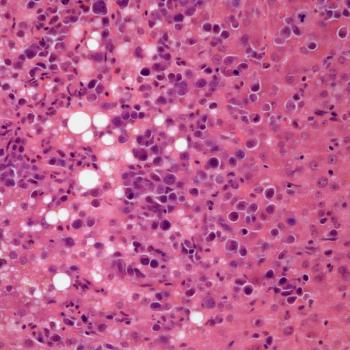
Data from the phase 3 PERSEUS trial supports D-VRd followed by DR maintenance as a new standard of care in patients with newly diagnosed, transplant-eligible multiple myeloma.
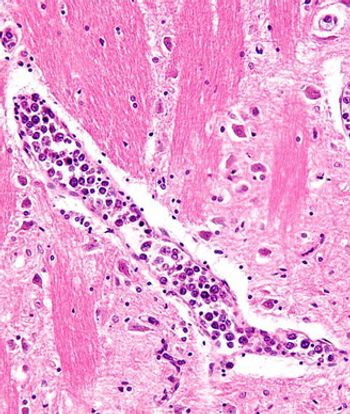
The addition of venetoclax to ibrutinib yields a favorable benefit/risk profile in patients with relapsed/refractory MCL, according to data from the phase 3 SYMPATICO trial.

The combination of pelabresib plus ruxolitinib shows improvement in hemoglobin response in the MANIFEST-2 trial, supporting a potential shift in the future treatment of patients with JAK inhibitor–naive myelofibrosis.

A first-in-human phase 1a/1b trial will evaluate the dose escalation of NX-1607 in patients with persistent lymphoma, including those with diffuse large B-cell lymphoma.
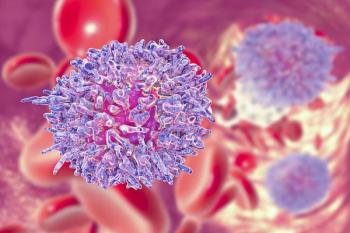
Acalabrutinib on its own or in combination with obinutuzumab increases PFS and ORR in patients with chronic lymphocytic leukemia regardless of mutation status, according to follow-up data from the ELEVATE-TN trial.

Treatment with zanubrutinib may be a viable option for patients with B-cell malignancies who are intolerant to acalabrutinib, says Mazyar Shadman, MD.
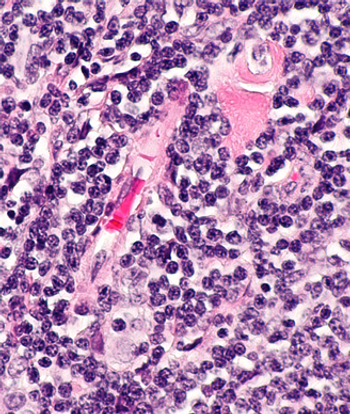
Pirtobrutinib may be a clinically meaningful option for those with relapsed/refractory follicular lymphoma, although additional data are necessary, says Nirav N. Shah, MD.
Treatment with CAR T cells may allow patients with hematologic malignancies to recover more quickly compared with a transplant, says Andre Goy, MD.

Treatment with ruxolitinib improves the probability of failure-free survival compared with best available treatment among those with chronic graft-versus-host-disease in the phase 3 REACH3 study.

The addition of isatuximab to carfilzomib/lenalidomide/dexamethasone appears to be manageable with respect to safety and tolerability in treating patients with newly diagnosed multiple myeloma, according to data from the phase 3 IsKia trial.
Investigators report no new safety signals in patients with relapsed/refractory follicular lymphoma following treatment with tisagenlecleucel infusion.

Data from the phase 3 APPLY-PNH trial show comprehensive control of intravascular and extravascular hemolysis with iptacopan in patients with paroxysmal nocturnal hemoglobinuria and persistent anemia.
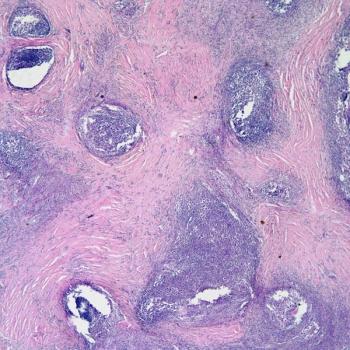
Brentuximab vedotin plus nivolumab, doxorubicin, and dacarbazine appears to be well tolerated in patients with advanced stage classical Hodgkin lymphoma, according to data from the phase 2 SGN35-027 trial.

New studies and treatment options prove to be effective in treating metastatic CRC, notes Joleen Hubbard, MD.
Patients with NPM1-mutated acute monocytic leukemia who are minimal residual disease negative do not appear to benefit from allogeneic stem cell transplant after chemotherapy induction, even with a FLT3 ITD co-mutation.
Phase 2 results showed that the investigational monoclonal antibody axatilimab elicited encouraging clinical activity and tolerability across dose levels in patients with recurrent or refractory chronic graft-vs-host disease.