

Endobronchial ultrasound, robotic bronchoscopy, or other expensive procedures may exacerbate financial toxicity for patients seeking lung cancer care.
Endobronchial ultrasound, robotic bronchoscopy, or other expensive procedures may exacerbate financial toxicity for patients seeking lung cancer care.

Pharmacokinetic data from the phase 1/2 GO29781 study support the European approval of subcutaneous mosunetuzumab in this follicular lymphoma population.

Results from the KEYNOTE-905 trial led to the approval of pembrolizumab/enfortumab vedotin in muscle invasive bladder cancer.

Partial responses and stable disease were observed with PAS-004 in patients with advanced solid tumors harboring RAS, NF1, or RAF mutations.


Patients with mediastinal lymph node involved-lung cancer may benefit from chemoimmunotherapy in the neoadjuvant setting.
Advancements in antibody drug conjugates, bispecific therapies, and other targeted agents may hold promise in lung cancer management.
A lower percentage of patients who were released within 1 year of incarceration received guideline-concurrent care vs incarcerated patients.

Results from the C-POST trial showed that cemiplimab improved DFS vs placebo in patients with CSCC at high risk of recurrence following surgery and radiation.

Zidesamtinib elicited positive activity in patients with advanced ROS1-positive NSCLC who previously received a ROS1 TKI in the phase 1/2 ARROS-1 trial.
Stressing the importance of prompt AE disclosure before they become severe can ensure that a patient can still undergo resection with curative intent.

Key AEs of NALIRIFOX in NAPOLI 3 were GI- and hematologic-related, with favorable rates of neutropenia and less growth factor use vs nab-paclitaxel/gemcitabine in mPDAC.
A collaboration between the Connecticut Departments of Health and Corrections and the COPPER Center aimed to improve outcomes among incarcerated patients.
Thomas Marron, MD, PhD, presented a session on clinical data that established standards of care for stage II and III lung cancer treatment at CFS 2025.
Data from the DeLLphi-304 trial support the full approval of tarlatamab in this extensive-stage small cell lung cancer population.
Results from the SOHO-01 trial led to the approval of sevabertinib for patients with non-squamous NSCLC.

Among all patients with AML enrolled in the trial who received olutasidenib, the CR or CRh rate was 35%, with 55% of responders responding within 2 months.
Based on results from the ANDROMEDA study, the FDA has given traditional approval to daratumumab and hyaluronidase-fihj plus VCd in patients with newly diagnosed light chain amyloidosis.

The regulatory decision regarding the subcutaneous pembrolizumab formulation is based on results from the phase 3 3475A-D77 trial.

Results from the KOMET trial led to the approval of selumetinib in adults with NF1 symptomatic, inoperable plexiform neurofibromas.

Patients with ES-SCLC who had an ECOG performance status of 2 or 3 achieved ORRs of 52.4% and 45.5%, respectively, with the study treatment.
Martin F. Dietrich, MD, PhD, explains how NALIRIFOX dosing in the NAPOLI 3 trial resulted in lower rates of grade 3/4 neutropenia vs standard therapy for metastatic PDAC.

The median PFS for patients with ovarian cancer who received niraparib maintenance in the real-world setting was 25.7 months.
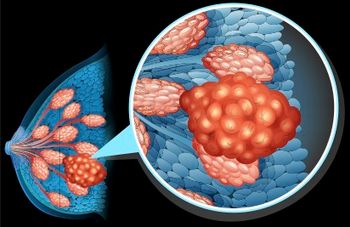
According to the developers, giredestrant is the first oral SERD to display beneficial DFS in early-stage breast cancer in the adjuvant setting.

Results from the NAPOLI 3 trial found NALIRIFOX is a viable option for first-line treatment of metastatic pancreatic adenocarcinoma.
Efficacy data from the phase 3 EPCORE FL-1 trial evaluating epcoritamab plus rituximab and lenalidomide in this population support the FDA’s decision.
The NAPOLI 3 trial demonstrated that NALIRIFOX improved outcomes for patients with metastatic pancreatic ductal adenocarcinoma compared with the standard of care, nab-paclitaxel and gemcitabine.
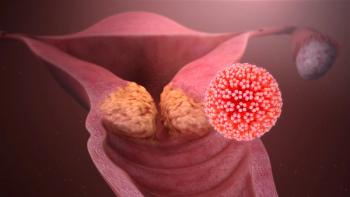
The 3-year DFS rate was 96.9% in patients who received sentinel-lymph node biopsy alone vs 94.6% in those who received lymphadenectomy.

Because EVA1 is not expressed in normal cells, there may be less toxicity when targeting it to eliminate glioblastoma-initiating cells.

A first-in-human phase 1/2 trial is evaluating the theranostic pair of ITM-91 and ITM-94 in patients with solid tumors.