
Findings presented at the 2026 Tandem Meetings showed that an accelerated immune constitution of donor-derived CD4-positive T cells was observed with TRX103.

Your AI-Trained Oncology Knowledge Connection!
Findings presented at the 2026 Tandem Meetings showed that an accelerated immune constitution of donor-derived CD4-positive T cells was observed with TRX103.

Data from the EXCALIBER-RRMM trial support the application for iberdomide plus standard therapy in this relapsed/refractory multiple myeloma population.

Encorafenib, cetuximab, and FOLFIRI improved PFS vs in treatment-naive BRAF V600E-mutant metastatic colorectal cancer in the BREAKWATER trial.
Monthly dosing of subcutaneous amivantamab may confer consistent outcomes with the previously approved biweekly dosing schedule in EGFR-mutant NSCLC.
According to Emese Zsiros, MD, PhD, FACOG, the pembrolizumab regimen yields favorable responses and survival in this PROC population.
Further follow-up is necessary to see if AZD0120 may be preferentially used as a treatment for patients with relapsed/refractory multiple myeloma.

Neoadjuvant therapy improves survival for patients with upfront resectable pancreatic cancer and minor PMV abutment vs an upfront surgical approach.
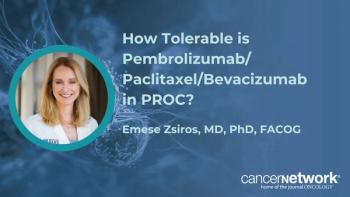
Emese Zsiros, MD, PhD, FACOG, spoke about the newly approved pembrolizumab regimen in PD-L1–expressing, pretreated platinum-resistant gynecologic cancers.

Experts convene at the 2025 MCL Scientific Consortium to spark collaborations, advance novel therapies, and boost patient outcomes through foundation-driven research support.

Pranshu Mohindra, MD, outlined considerations for optimizing the use of hypofractionated radiation for patients with lung cancer.
Although many clinical trials end due to strategic reasons, easing inclusion criteria and reducing potential operational failure may mitigate terminations.

J. Isabelle Choi, MD, discussed proton and photon therapy for locoregional recurrences, emphasizing advanced IMRT/VMAT techniques and CTV delineation.

Investigators will share detailed results from the phase 3 LIBRETTO-432 trial assessing selpercatinib in NSCLC at a future medical meeting.

Since 2003, breast cancer has been one of the black box warnings associated with hormone replacement therapy for women experiencing menopause.
Researchers and clinicians share key updates in leukemia, lymphoma, and myelodysplastic syndrome that they presented at the 2026 Tandem Meetings.
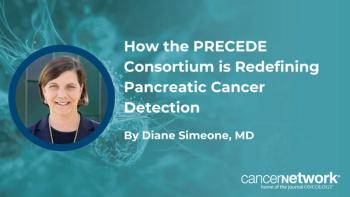
Diane Simeone, MD, detailed how the PRECEDE Consortium utilizes standardized data sharing and high-risk screening to identify stage I pancreatic cancer.

Julie M. Vose, MD, MBA, details insights from the Mantle Cell Lymphoma Scientific Consortium and Workshop, focusing on global clinical trial collaboration and sequencing BTK/BCL-2 inhibitors.

In a presentation at the 2026 ACRO Summit, Pranshu Mohindra, MD, reviewed the treatment planning process for hypofractionated radiation in lung cancer.

This section aims to enhance provider empathy, mitigate burnout, and center the patient’s lived experience within the rigorous framework of medical science.
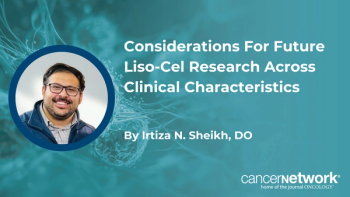
Irtiza N. Sheikh, DO, hopes liso-cel accessibility increases in non-clinical trial settings and is considered for use earlier in the LBCL treatment course.
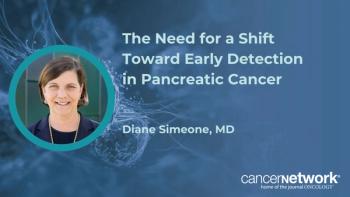
Diane Simeone, MD, highlights the necessity of a collaborative approach to pancreatic cancer screening, similar to trends across multiple disease states.
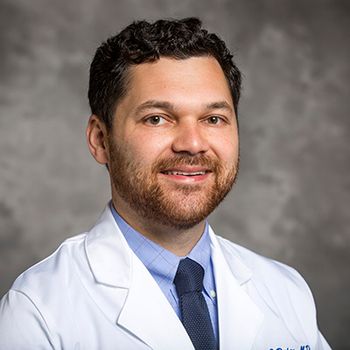
Sunil W. Dutta, MD, discussed hypofractionation in breast reconstruction and why clinical follow up remains a key "soft skill" in an AI-driven field.

Sunil Dutta, MD, discusses integrating FAST-Forward and PRIME II trial data to personalize breast cancer treatment and sequencing radiation with ADCs.
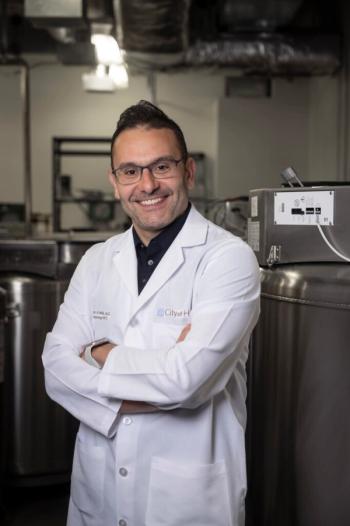
TRX103 could foster a durable tolerizing environment, with regulatory cell levels matching those of healthy donors by day 42 post-transplant.
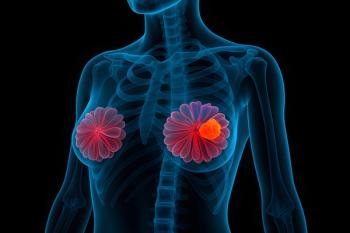
In this review, we highlight pivotal trials that have informed current practice and ongoing trials that may inform the therapeutic landscape in the coming years.
Seth M. Pollack, MD, discusses new strategies for converting immune-cold tumors, including the role of TLR4 agonists and IL-12–producing viral agents.
Vanessa Almendro-Navarro, PhD, MBA, outlined her experience as a research fellow and how her clinical work may impact her new role at City of Hope.

The PRECEDE Consortium is a multidisciplinary effort to drive the earlier detection of pancreatic cancer and raise the survival rate to 50%.
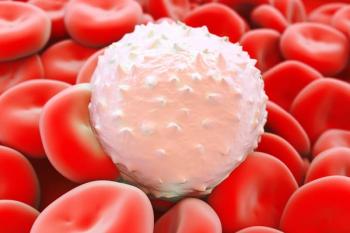
Safety-optimized CAR-T platforms and supportive-care breakthroughs highlight a maturing field focused on access, durability, and real-world implementation.

Investigators of the phase 2b trial will enroll approximately 40 men with advanced prostate cancer to undergo treatment with teverelix.