

Data from a phase 1/2 trial support the FDA’s designation for WU-CART-007 in relapsed/refractory T-cell ALL and T-cell lymphoblastic lymphoma.

Your AI-Trained Oncology Knowledge Connection!
Data from a phase 1/2 trial support the FDA’s designation for WU-CART-007 in relapsed/refractory T-cell ALL and T-cell lymphoblastic lymphoma.

Data from a phase 2 study support metabolic response on PET/CT and ctDNA clearance as potential biomarkers for predicting event-free survival.

Soumen Das, MBBS, MS, FACS, discussed the BC-RADS-2 study and its potential to transform early breast cancer detection in low- and middle-income countries.

With a median follow-up of 6 months, the median OS was not yet reached in patients with recurrent glioblastoma with the nogapendekin alfa inbakicept-based regimen.

A total of 10.9% of patients experienced grade 5 AEs, yet no treatment-related deaths were reported with the nivolumab-based regimen in this HNSCC group.
Early safety and immunogenicity data may warrant further evaluation of iTAC-XS15-CLL01 among patients with chronic lymphocytic leukemia.
Data from the phase 3 BREAKWATER trial demonstrated that encorafenib plus cetuximab and chemotherapy yields clinical benefit for this patient population.

Experts cover the regulatory approvals and clinical trial readouts from 2025 that may move the needle for prostate cancer management.

The submission of an investigational new drug application for a uPAR-targeted imaging agent, FG001, supports a planned phase 2 trial in glioma.

Data from the phase 2/3 AHEAD-MERIT trial support the FDA decision for this head and neck cancer population.

Treatment with relacorilant plus nab-paclitaxel yielded a 35% reduction in the risk of death compared with nab-paclitaxel alone for patients with platinum-resistant ovarian cancer.

In the ASCENT-04/KEYNOTE-D19 trial, sacituzumab govitecan plus pembrolizumab significantly extended PFS in patients with first-line metastatic TNBC.

Investigators are currently evaluating zavabresib plus ruxolitinib among patients with myelofibrosis in the phase 1 PROMise study.

Neoadjuvant radiation rarely produced RECIST responses, and a significant proportion of tumors increased in size in patients with retroperitoneal sarcoma.

Bezuclastinib plus sunitinib yielded favorable PFS and ORR data vs sunitinib alone in patients with previously treated gastrointestinal stromal tumors.

Throughout 2026, CancerNetwork® and the journal ONCOLOGY® will be dedicated to sharing the most critical developments in the radiation oncology field.

Maveropepimut-S with pembrolizumab and low-dose cyclophosphamide yielded a 40% ORR and 90% DCR in platinum-sensitive high-grade endometrial cancer.

According to the FDA, randomized trials are preferred when assessing MRD to support accelerated approvals in multiple myeloma.

Data from the phase 2 FIRM study support the preliminary potential of firmonertinib as frontline therapy in EGFR L858R-mutated NSCLC.
Caroline Chung, MD, MSc, FRCPC, CIP, explores how AI in diagnostic imaging may help with accelerating scan acquisition and extracting subvisual features.
Caroline Chung, MD, MSc, FRCPC, CIP, discussed how AI is transforming radiotherapy, ranging from uniform dosing to personalized, immune-sparing strategies.

The FDA accepted the NDA for gedatolisib for HR+/HER2–, PIK3CA wild-type advanced breast cancer after it reduced the risk of disease progression or death.

Data from 2 trials at the 2024 and 2025 ASCO Annual Meetings demonstrate the PD-L1/4-1BB bispecific antibody’s efficacy and safety in this population.

The requested information does not pertain to the design or initiation of any new trials, and the developers plan to provide it in the next 30 days.

The folate receptor α ADC yielded responses, with a favorable safety profile, in patients with high-grade serous ovarian cancer in a phase 1 trial.

Updated data from the 5-year analysis of KEYNOTE-942 of mRNA-4157/pembrolizumab in high-risk melanoma showed a maintained benefit.
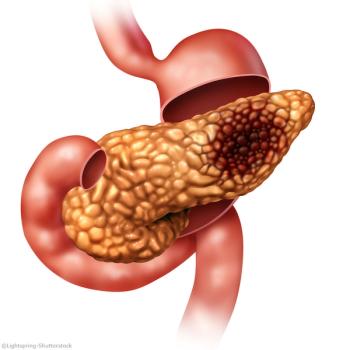
Toxicities with streptozotocin/5-fluorouracil and everolimus were comparable with other orally available chemotherapeutic schemes in this NET population.

Host Brandon Mancini, MD, MBA, FACRO, introduces a special podcast series focused on delivering key insights and takeaways in the radiation oncology space.
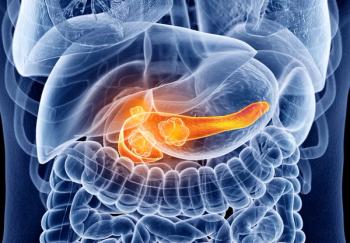
Patients with pancreatic cancer who received up to 6 infusions of the multiantigen-targeted T cell product only experienced 1 treatment-related serious AE.

The marketing authorization was based on results from the DESTINY-Breast09 trial assessing T-DXd/pertuzumab in first-line HER2+ metastatic breast cancer.