
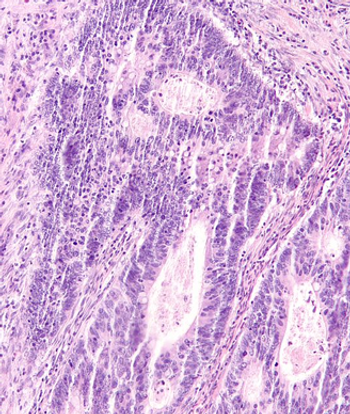
Real-world data may elucidate the characteristics and factors that influence long-term remission with regorafenib among patients with metastatic colorectal cancer.
Real-world data may elucidate the characteristics and factors that influence long-term remission with regorafenib among patients with metastatic colorectal cancer.

Data from the phase 3 NETTER-2 trial support the frontline use of Lutetium Lu 77 dotatate well-differentiated gastroenteropancreatic neuroendocrine tumors.

Data from the phase 2 NAVIGATE trial support the wider adoption of next-generation sequencing panels including NTRK gene fusions in the treatment of those with gastrointestinal cancers.
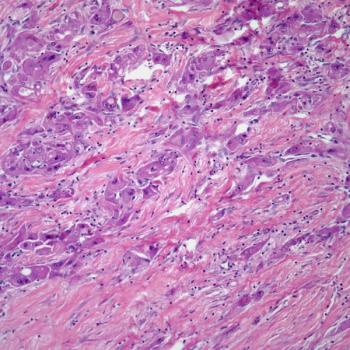
Durvalumab plus bevacizumab and TACE may be a new standard of care in unresectable hepatocellular carcinoma eligible for embolization, according to Riccardo Lencioni, MD.

Patients with hepatocellular carcinoma and Child-Pugh-B liver function appear to have worse overall survival following treatment with regorafenib in the REFINE trial.
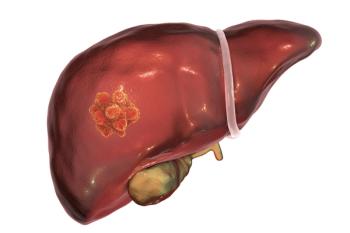
Treatment-emergent adverse effects following therapy with fostrox plus lenvatinib among those with hepatocellular carcinoma appear to be manageable in a phase 1a/2a study.

Investigators observe a benefit with durvalumab plus neoadjuvant chemotherapy among subgroups of patients regardless of microsatellite instability status in the phase 3 MATTERHORN trial.

Findings from the phase 3 FRESCO-2 trial support fruquintinib’s potential to provide an improved survival benefit and quality of life for those with previously treated metastatic colorectal cancer.

The DeFianCe trial is using DKN-01 plus bevacizumab and chemotherapy to determine if a clinical benefit would occur in patients with microsatellite stable colorectal adenocarcinoma.

Data from the phase 3 SKYSCRAPER-08 trial may support tiragolumab plus atezolizumab and chemotherapy as an alternative frontline treatment option for those with locally advanced or metastatic esophageal squamous cell carcinoma.
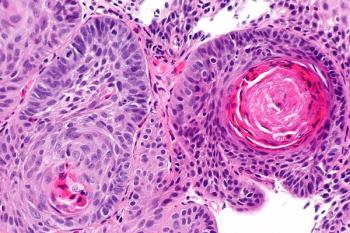
Neoadjuvant camrelizumab plus chemotherapy may hold promise as a standard of care in locally advanced esophageal squamous cell carcinoma, according to Yin Li, MD.

Combining ASKB589 with capecitabine, capecitabine, and sintilimab leads to no treatment discontinuation due to adverse effects among patients with gastric or gastroesophageal junction cancer in a phase 1/2 trial.

Patients with metastatic urothelial carcinoma who are susceptible to FGFR3 gene alterations may now receive erdafitinib, according to the FDA.

Data from the phase 3 LUNAR trial support the use of tumor treating fields in patients with non–small cell lung cancer.

Investigators are assessing avutometinib in combination with sotorasib as a treatment for those with KRAS G12C–mutated non–small cell lung cancer in the phase 1/2 RAMP-203 study.

Investigators indicate that ongoing efforts should focus on meeting the needs of adult cancer survivors with co-morbid substance use disorder, with an emphasis on prioritizing populations in which the disorder is highly present.

Overall survival also appears to improve with toripalimab compared with chemotherapy among patients with metastatic or advanced nasopharyngeal carcinoma.

In the overall population and in patients with a PD-L1 CPS of 5 or greater who received nivolumab plus chemotherapy, overall survival and progression-free survival improved when compared with chemotherapy alone.

Findings from a phase 1a/1b trial highlight that treatment with NX-5948 appears to be tolerable among patients with relapsed/refractory B-cell malignancies.

A group of experts discussed the approval process for teclistamab use in patients with multiple myeloma.

The DermaSensor device demonstrates a high rate of sensitivity in the detection of more than 200 types of skin cancers in a clinical study.

Results from an observational study found nivolumab plus chemotherapy helped enhance overall survival and progression-free survival for patients with advanced or metastatic gastric cancer, gastroesophageal junction cancer, or esophageal adenocarcinoma.
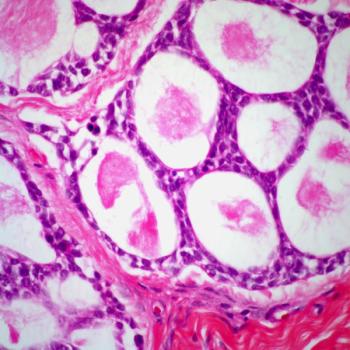
Certain patients with salivary gland carcinoma and close surgical margins may safely be considered for observation, according to findings from a retrospective cohort study.

Developing novel regimens may continue to improve survival outcomes of patients with advanced cervical cancer following the FDA approval of pembrolizumab and chemoradiation, says Jyoti S. Mayadev, MD.

Data from a case control study highlight a decrease in the risk of breast cancer among those with increasing sex hormone binding globulin concentrations.

Investigators also report that patritumab deruxtecan is well tolerated in those with EGFR-mutant non–small cell lung cancer in the HERTHENA-Lung01 study.

Findings from a secondary analysis of a phase 3 trial support stereotactic radiosurgery as a standard of care for those with brain metastases, although whole-brain radiotherapy may yield more local and distant control.

An overview of NRG1 fusion–positive tumors was given by experts in the gastrointestinal and lung cancer space in a recent Frontline Forum.
Treatment with pembrolizumab plus chemoradiation appears to be well tolerated with no detriment to quality of life among those with advanced cervical cancer.

Investigators report favorable overall survival among patients with chronic lymphocytic leukemia who receive ibrutinib/venetoclax over FCR.