
The primary end point of progression-free survival was met in the phase 3 LITESPARK-005 trial investigating belzutifan vs everolimus in patients with renal cell carcinoma.
The primary end point of progression-free survival was met in the phase 3 LITESPARK-005 trial investigating belzutifan vs everolimus in patients with renal cell carcinoma.

Data from a next-generation sequencing analysis indicate that XPO1 may be a novel biomarker predictive of a decreased time to first treatment in patients with early-stage chronic lymphocytic leukemia.
The FDA sets a Prescription Drug User Fee Act date in the fourth quarter of 2023 for its decision regarding enzalutamide as a treatment for those with non-metastatic hormone-sensitive prostate cancer with a high-risk of biochemical recurrence.

Experts in the field of multiple myeloma highlight key takeaways for clinicans to be aware of for infections associated with bispecific antibody multiple myeloma treatments.

Using an AUC of 5 instead of an AUC of 6 can help to conserve cisplatin among patients with cancer, Kirollos Hanna, PharmD, BCPS, BCOP, FACCC says.

Findings from the phase 2/3 IMerge trial support the new drug application for imetelstat in the treatment of patients with transfusion-dependent anemia in lower-risk myelodysplastic syndrome.
The investigational drug MAb-AR20.5 is the first monoclonal antibody targeting MUC1 to receive orphan drug designation from the FDA as a treatment for pancreatic cancer.

Naval G. Daver, MD, reviewed current treatment options in acute myeloid leukemia, specifically the use of menin inhibitors in the space.
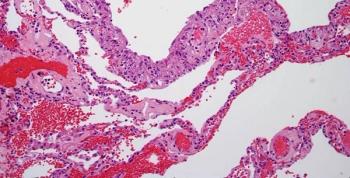
Olaparib plus temozolomide appears to prolong median progression-free survival for those with homologous recombination deficient uterine leiomyosarcoma compared with homologous recombination proficient tumors.
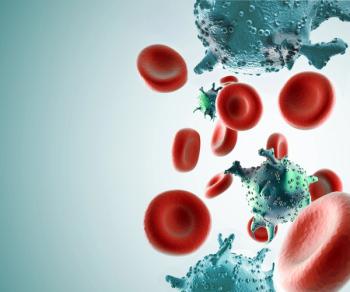
Avyakta Kallam, MBBS, gave a look as to why she decided to compile a comprehensive review in mantle cell lymphoma.
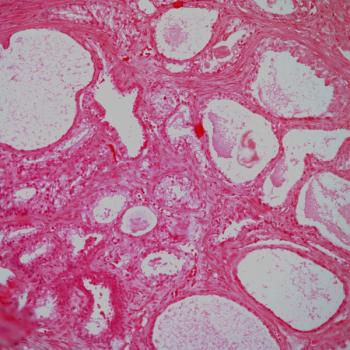
Combination treatment with cabozantinib and atezolizumab did not produce any new safety signals in the treatment of those with metastatic castration-resistant prostate cancer in the phase 3 CONTACT-02 trial.
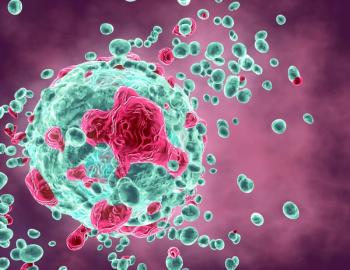
Investigators of a cohort study report that the withdrawal rate from clinical trials in oncology appear to be higher among Hispanic patients and across placebo-controlled trials, but lower in trials with radiation use as part of therapy.

The FDA allows for expanded bridging therapies in addition to other trial protocol amendments to enable investigators to continue their evaluation of CART-ddBCMA in relapsed/refractory multiple myeloma.
Saad. Z. Usmani, MD, leads a panel of experts in discussing toxicities associated with treatment for multiple myeloma.
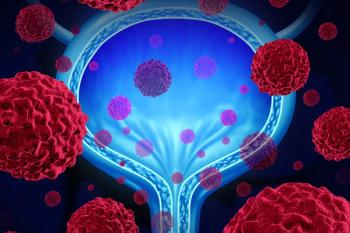
During Morning Rounds, Petros Grivas, MD, and his treating team debate the diagnosis of a patient with urothelial carcinoma as it has an unusual presentation.
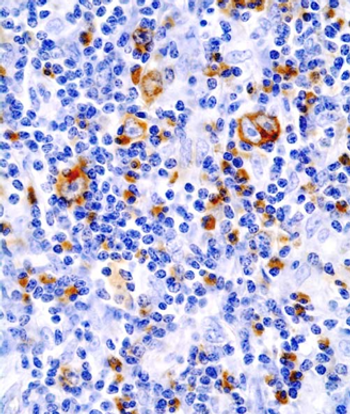
A larger, phase 2 trial is planned to further evaluate pembrolizumab plus doxorubicin, vinblastine, and dacarbazine in patients with newly diagnosed Hodgkin lymphoma.

Current treatment options for patients with EGFR exon 20 non–small cell lung cancer were discussed among a panel of experts in a recent Frontline Forum.
Investigators will work with the FDA to assess the root cause of a grade 5 serious adverse effect in phase 2 PLAT-08 trial evaluating SC-DARIC33 in pediatric acute myeloid leukemia.
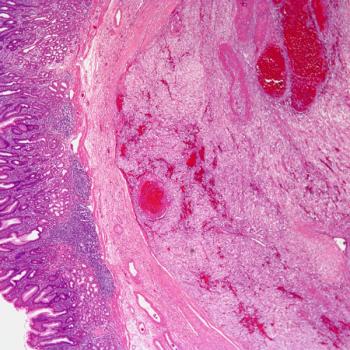
Phase 2 data support administering trastuzumab in combination with ramucirumab and paclitaxel for patients with HER2-positive gastric or gastroesophageal junction cancer.

The HLA-LOH test makes use of data produced with the xT CDx assay to identify patients with tumors experiencing allele-specific loss of heterozygosity who may benefit from specific targeted treatments.

Data indicate that it may be safe to pause endocrine therapy for patients to attempt to conceive, and experts in the space review how it has impacted treatment strategies.

The FDA companion diagnostic designation for FoundationOne CDx may improve access to treatment with niraparib/abiraterone acetate dual action tablets in those with metastatic castration-resistant prostate cancer harboring a BRCA mutation.
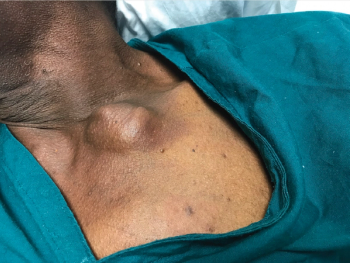
Rohit Gupta, MD, et al review a case study of a 70-year-old man who presented with a head mass, and the final diagnosis was hepatocellular carcinoma.
Findings from a phase 1 study highlight that ivosidenib tablets did not raise any new safety signals in the treatment of patients with IDH1-mutated relapsed/refractory myelodysplastic syndromes.

Investigators of the phase 1/2 Acclaim-3 trial will assess quaratusugene ozeplasmid in combination with atezolizumab as a treatment for those with extensive-stage small cell lung cancer.
Avyakta Kallam, MBBS and Julie Vose MD, MBA, review available treatment options for patients with mantle cell lymphoma.

Future developments in the sarcoma space may also involve research on circulating tumor DNA and metabolic therapies, according to Brian Van Tine, MD, PhD.
Findings from a real-world study suggest the importance of novel agents for improving efficacy outcomes and tolerability in elderly patients with mantle cell lymphoma.

In the August Letter to Readers, Julie M. Vose, MD, MBA, discusses the recent cisplatin shortages and how this can be mitigated in the future.

Physician burnout is not just a phase, but rather a mental health issue that has made itself well-known in the medical community, with many clinicians trying to find strategies to cope with it.