

A novel agent in combination with olaparib has been granted fast track designation by the FDA for germline BRCA-mutated HER2-negative locally advanced or metastatic breast cancer.
A novel agent in combination with olaparib has been granted fast track designation by the FDA for germline BRCA-mutated HER2-negative locally advanced or metastatic breast cancer.
Data from the phase 3 Precision-T trial show improvements in overall survival and relapse-free survival with the use of Orca-T.

Learn how ctDNA monitoring predicts breast cancer recurrence and detects ESR1/PIK3CA resistance, enabling earlier, personalized therapy switches.
A phase 2 trial in mixed phenotype acute leukemia shows that “big things” can happen regardless of where patients live or the rarity of their diseases.
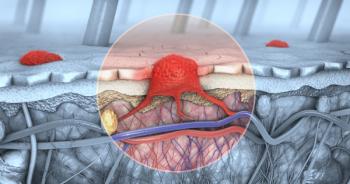
Omid Hamid, MD, presented at the 22nd Annual International Symposium on Melanoma and Other Cutaneous Malignancies on the evolving landscape of perioperative immunotherapy and targeted therapy.
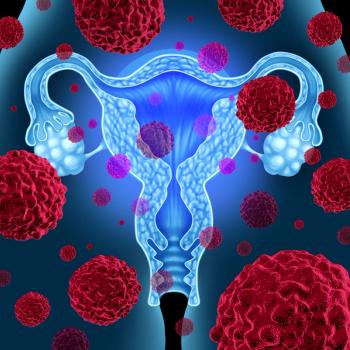
Pembrolizumab/lenvatinib yielded a 40% ORR in patients with recurrent gynecologic clear cell carcinoma, including those with prior anti-angiogenic therapy.

Investigators of the phase 2 MOMENTUM trial will enroll and assign approximately 100 patients to receive cemsidomide at 100 µg.

Those with intellectual disabilities were less likely to undergo expedient prostate biopsy following an elevated PSA result.

The FDA has cleared an IND application for FG001, allowing the developer to initiate its first US registration trial in patients with high-grade glioma.

Sarah Poland, MD, explored the evolution of immunotherapy in breast cancer, including in triple-negative disease and HR+ and HER2+ subtypes.

Mauro Cives, MD, discussed "immune niches," neoantigen mapping, and strategies to minimize adverse effects in healthy tissue for this treatment modality.

The guidelines offer best practices for diagnoses, classification, systemic treatment, radiation therapy, and surgery for patients with RMS.
According to Charlotte Rivers, MD, it’s important for patients with CNS cancers to meet with all involved doctors so they can make an informed decision regarding their care.

J. Isabelle Choi, MD, shared her specific fractionation preferences and prophylactic strategies to combat adverse effects associated with radiation.
Yan Leyfman, MD, shared key clinical and practice-shaping insights related to cellular therapy from the 2026 Tandem Meetings.
Seth M. Pollack, MD, discussed how the ECOG-ACRIN EA7222 trial could establish doxorubicin/pembrolizumab as the new frontline standard for undifferentiated pleomorphic sarcoma.
Suzann Duan, PhD, anticipates the release of a paper she coauthored exploring the role of Hedgehog signaling in NETs, as well as within the aging landscape.
Charlotte Ivy Rivers, MD, explored the impact of updated WHO criteria and functional imaging, such as DOTATATE-PET, on the diagnosis and treatment of patients with CNS tumors.

Peter Martin, MD, focused on the collaborative meeting setting and where the MCL research field is headed.

A Prescription Drug User Fee Act date of December 18, 2026, has been set for giredestrant plus everolimus in ER+, HER2–, ESR1-mutated breast cancer.
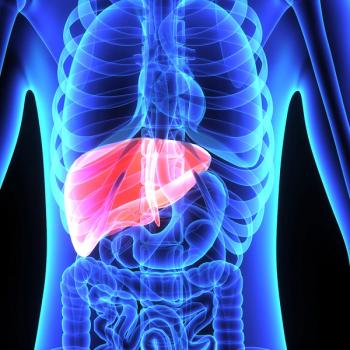
A phase 1 trial evaluating PLT012 in HCC, among other solid tumors, is currently underway and will report safety and preliminary clinical activity data.

Kami Maddocks, MD, discusses how the push to define high-risk MCL for clinical trials was a focus at the 2025 MCL workshop.

Frontline acalabrutinib tablets have been approved by the FDA for the treatment of CLL and SLL.
Although AI can be effective in hematologic malignancies and palliative care, it must be used ethically, said Ram Prakash Thirugnanasambandam, MBBS.
AI-based models must be trained on data derived from diverse patient populations to eliminate potential bias in the context of palliative care.

Sunil W. Dutta, MD, discussed why clinical follow-up remains an essential soft skill for radiation oncologists in an increasingly automated field.

Charlotte Ivey Rivers, MD, discussed the importance of rare CNS tumor research, upcoming trial data in meningioma, and the role of functional radiosurgery.

Findings from the phase 1b/2 OrigAMI-4 trial support the regulatory decision for this regimen in this advanced head and neck cancer population.

Neoadjuvant mFOLFIRINOX plus nivolumab in borderline-resectable pancreatic ductal adenocarcinoma demonstrated a 100% R0 resection rate.
Experts discuss how issues related to prostate cancer diagnoses and access to care differ across practices based in the US and India.