

Overall survival data with blinatumomab in the phase 3 E1910 study may be an “important development” in CD19-positive B-ALL.
Overall survival data with blinatumomab in the phase 3 E1910 study may be an “important development” in CD19-positive B-ALL.

Intraoperative radiation therapy may allow surgical and radiation oncologists to collaboratively visualize at-risk areas in patients with cancer.
Positive margin rates have not appeared to improve for patients with cancer undergoing surgical care based on several prior studies.
Investigators must continue to explore the space for lisocabtagene maraleucel in mantle cell lymphoma, according to Manali Kamdar, MD.
Those with CML should discuss adverse effects such as nausea or fatigue with their providers to help optimize their quality of life during treatment.
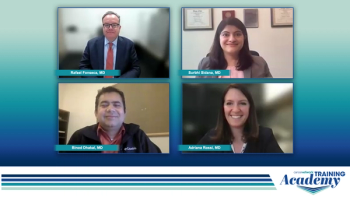
Continuing discussion centered on a patient case, the panel discusses bispecific antibody combinations and the role of BCMA-targeting CAR T-cell therapies in relapsed/refractory multiple myeloma.
Adriana Rossi, MD, presents the case of a 60-year-old patient with stage III kappa light chain multiple myeloma, and members of the panel provide their initial impressions.
Patients with CML can become an active part of their treatment plan by discussing any questions that come to mind with their providers.
Public health researchers highlight how they learned to overcome and adapt to disparities observed during their careers.
The panel discusses the mechanisms believed to cause cytokine release syndrome associated with CAR T-cell therapy and the signs and symptoms.
Focusing on the transition of patients from community practices to academic centers, the panel discusses the initial evaluation and treatment processes, focusing on bridging therapy for patients awaiting CAR T.
A panel of experts on multiple myeloma introduce themselves and discuss the initial process of identifying patients who are potential candidates for CAR T-cell therapy.
Beth Faiman, CNP, PhD, presents the case of a 76-year-old woman with multiple myeloma who experienced cytokine release syndrome (CRS) following CAR T-cell therapy.
Jorge E. Cortes, MD, emphasizes proper communication between patients with chronic myeloid leukemia and their providers during the treatment course.
Health economists discuss their interests in the outcomes observed from the Affordable Care Act and its impact on specific populations.
Dietary interventions or other medications may help mitigate diarrhea in patients who undergo therapy for chronic myeloid leukemia.
Considering notable adverse effects associated with treatment may be critical when selecting therapy options for those with CML.
The field of breast oncology is constantly evolving to include trial diversity and multidisciplinary care.
The panel discusses the utilization of CAR T-cell therapy for patients with multiple myeloma, highlighting treatment selection, sequencing, and insurance considerations.
The panel concludes its discussion with key takeaways on the evolving role of CAR T-cell therapy in the treatment of patients with relapsed/refractory multiple myeloma.
Binod Dhakal, MD, presents the case of a 66-year-old patient with IgG kappa multiple myeloma, and the panel discusses treatment considerations and decisions.
Tiffany A. Traina, MD, and Sherry Shen, MD, discussed barriers they have had to overcome throughout their oncology careers.
Patients with breast cancer or those who are survivors can be candidates for genetic testing, according to Brittany L. Bychkovsky, MD, MSc.
The panelist summarizes the major findings from MARIPOSA-2 and their conclusions about amivantamab regimens improving outcomes in osimertinib-resistant NSCLC.
This segment summarizes the pivotal efficacy and safety outcomes from the MARIPOSA-2 trial of amivantamab-based regimens in osimertinib-resistant EGFR-mutant NSCLC. It explores the clinical implications of these data and potential future research directions.
A comprehensive look at the safety data from the MARIPOSA-2 trial, including rates of adverse events, toxicities, and treatment modifications across the three regimens. Specific details are provided on adverse event types and grades by the treatment arm.
Experts on multiple myeloma discuss how they educate and prepare patients who are going to receive CAR T-cell therapy and provide clinical insights on transitioning patients to community practices following treatment.
A panel of experts on multiple myeloma give an overview of unique challenges in managing adverse effects associated with CAR T-cell therapy as compared with other cancer therapies.
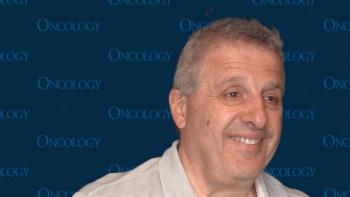
Whether CAR T-cell therapy or T-cell engagers should dominate the multiple myeloma landscape may be hard to determine, says David S. Siegel, MD.
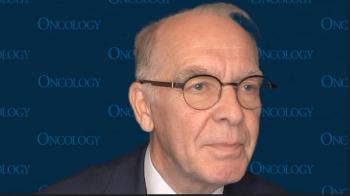
Next steps for research in the multiple myeloma space may include the development of novel CAR T-cell strategies and bispecific antibodies.