

Opinion|Videos|November 18, 2024
CATNON Trial: Concurrent Versus Adjuvant Temozolomide in Treating WHO Grade 3 Astrocytomas Without 1p/19q Codeletion
Author(s)Vinay K. Puduvalli, MD
Panelists discuss how they determine the optimal timing of temozolomide administration - concurrent or adjuvant - for WHO grade 3 astrocytomas lacking 1p/19q codeletion, drawing on evidence from the CATNON trial to inform their decision-making process.
Advertisement
Episodes in this series
- How do you approach the use of concurrent versus adjuvant temozolomide in treating WHO grade 3 astrocytomas without 1p/19q codeletion?
- CATNON trial
Advertisement
Related to this article

“This is the closest we have been to biomarkers replacing ultrasound,” said Amit G. Singal, MD, MS, FAASLD.
ADCs directed towards B7-H3, SEZ, DLL3, and TROP2 appear to be “super exciting,” according to Anne Chiang, MD, PhD.
Neoadjuvant eftilagimod alfa, pembrolizumab, and radiotherapy produced an 81.1% 12-month DFS rate in high-risk, resectable soft tissue sarcoma.
Rezatapopt monotherapy yielded an ORR of 48% in TP53 Y220C-mutated platinum-resistant/refractory ovarian cancer.
Anne Chiang, MD, PhD, discusses DeLLphi-305 and other leaps forward in small cell lung cancer, along with a setback regarding lurbinectedin.

The FDA granted RMAT designation to inzitagene plasmivec for advanced melanoma ahead of a phase 3 trial expected to start in December 2026.

Variation in the mitochondrial genome carries prognostic information about graft-versus-host disease that current clinical risk scores do not capture.
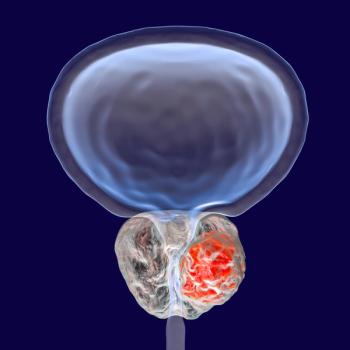
Testosterone therapy was not associated with disease progression in a retrospective 3324-patient active surveillance prostate cancer cohort.
Advertisement
Advertisement
Trending on CancerNetwork
1
Rethinking HCC Surveillance and Treatment Amid a Shifting Risk Landscape
2
Sequencing B7-H3 and SEZ6 ADCs With DLL3 Bispecifics in SCLC
3
Testosterone Therapy Shows No Added Progression Risk in Active Surveillance PCa
4
Efti Plus Pembrolizumab and RT Yields 81% 12-Month DFS in Soft Tissue Sarcoma
5