

Opinion|Videos|June 29, 2026
Clinical Scenario 1: High-Risk Adjuvant Setting in cSCC Treatment
Expert panel explains extremely high-risk cutaneous SCC after surgery and radiation, and why adjuvant cemiplimab may curb recurrence.
Advertisement
Episodes in this series
Dr. Singh presents Scenario 1: a 68-year-old male, former smoker, with ECOG PS 0, who underwent surgical resection and adjuvant radiation for cSCC of the right parotid region with extracapsular nodal extension and two lymph nodes each >20 mm. Post-radiation imaging shows no residual or metastatic disease. Normal organ function. Radiation completed 5 weeks prior.
Dr. Sondak reflects that this patient represents an opportunity to have considered neoadjuvant therapy earlier in the care pathway. He introduces a practical risk stratification framework: low-risk tumors are managed with simple excision; high-risk tumors may require Mohs or comprehensive margin assessment; very high-risk tumors may warrant adjuvant radiation; and "extremely high-risk" patients, like this one, have undergone surgery and radiation and still face significant risk of systemic recurrence. For this group, adjuvant cemiplimab offers a meaningful reduction in recurrence risk. He emphasizes that patients must understand their risk and be part of the decision-making process, weighing the option of proactive adjuvant therapy versus watchful waiting.
Dr. Singh confirms that this patient meets C-POST eligibility criteria based on extracapsular extension, and reiterates the value of risk stratification in guiding adjuvant therapy decisions.
Advertisement
Related to this article

“When we give the most effective therapy at the time of new diagnosis, we get the most value out of the effort and time that we and our patients are spending,” said Neeraj Agarwal, MD, FASCO.

An aglatimagene besadenovec-based radiotherapy combination increased intratumoral lymphocyte fraction in intermediate- to high-risk localized prostate cancer.

The ROADS investigators reported no differences between cesium-131 tile-based radiation therapy and SRT in quality of life, functional status, or neurocognitive function.
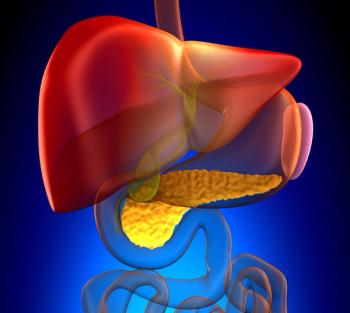
William A. Hall, MD, discussed the SOFT Preop study of preoperative SBRT vs conventional chemoradiation for pancreatic adenocarcinoma.
Chih-Yi “Andy” Liao, MD, discusses how oncologists are sequencing pemigatinib, futibatinib, and lirafugratinib and how their tolerability differs.

“It should be protocol that 100% of your patients with metastatic prostate cancer get germline testing. Full stop. No exceptions,” said Neal D. Shore, MD, FACS.
Chih-Yi “Andy” Liao, MD, discusses the FDA approval of lirafugratinib and what the field has learned about resistance to FGFR2 inhibitors.

In the phase 3 NRG-CC009 trial, SRS led to longer overall survival vs HA-WBRT plus memantine with similar neurocognitive failure in SCLC brain metastases.
Advertisement
Advertisement
Trending on CancerNetwork
1
BCMA/GPRC5D CAR T-Cell Therapy Shows Early Efficacy in R/R Multiple Myeloma
2
Multimodal Biopsy Combo Shows Low Morbidity in Suspected Prostate Cancer
3
Aglatimagene Combo Shows Sustained Immune Remodeling in Prostate Cancer
4
SBRT Matches Chemoradiation, Preserves QOL Before Pancreatic Surgery
5