

Opinion|Videos|June 29, 2026
Real-World Data and Neoadjuvant Use in cSCC
Real-world cemiplimab data and neoadjuvant results show strong responses in high-risk cutaneous SCC, guiding treatment for frail, complex patients.
Advertisement
Episodes in this series
Dr. Park discusses the importance of real-world data for cSCC, noting that trial populations often exclude the older, frailer, and more medically complex patients seen in everyday practice, including those with poor performance status, organ dysfunction, autoimmune disease, transplant history, or hematologic malignancies. She highlights cemiplimab's phase 4 registry data, which captured outcomes in patient subsets excluded from pivotal trials, including solid organ transplant patients and those with hematologic malignancies. Response rates were broadly consistent with trial data, reinforcing that the drug works across a wider population. She reframes the key clinical question as not whether the drug works, but whether it can work safely in a given patient and whether that patient will live long enough to benefit.
Dr. Singh raises the neoadjuvant setting. Dr. Park cites the phase 2 trial published in NEJM in 2022 (Gross et al.), which showed a 51% pathologic complete response rate with up to four doses of cemiplimab. An additional 13% achieved a major pathologic response (≤10% residual tumor). All patients achieving a pathologic CR were able to avoid adjuvant radiation and remain disease-free. Dr. Park considers neoadjuvant cemiplimab for clinical T3 lesions (AJCC), nodal involvement, and in-transit disease, viewing it as an evolving standard of care for appropriately selected high-risk patients.
Advertisement
Related to this article

“When we give the most effective therapy at the time of new diagnosis, we get the most value out of the effort and time that we and our patients are spending,” said Neeraj Agarwal, MD, FASCO.

An aglatimagene besadenovec-based radiotherapy combination increased intratumoral lymphocyte fraction in intermediate- to high-risk localized prostate cancer.

The ROADS investigators reported no differences between cesium-131 tile-based radiation therapy and SRT in quality of life, functional status, or neurocognitive function.
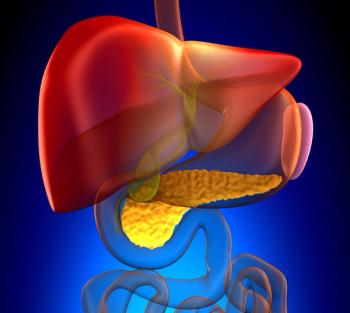
William A. Hall, MD, discussed the SOFT Preop study of preoperative SBRT vs conventional chemoradiation for pancreatic adenocarcinoma.
Chih-Yi “Andy” Liao, MD, discusses how oncologists are sequencing pemigatinib, futibatinib, and lirafugratinib and how their tolerability differs.

“It should be protocol that 100% of your patients with metastatic prostate cancer get germline testing. Full stop. No exceptions,” said Neal D. Shore, MD, FACS.
Chih-Yi “Andy” Liao, MD, discusses the FDA approval of lirafugratinib and what the field has learned about resistance to FGFR2 inhibitors.

In the phase 3 NRG-CC009 trial, SRS led to longer overall survival vs HA-WBRT plus memantine with similar neurocognitive failure in SCLC brain metastases.
Advertisement
Advertisement
Trending on CancerNetwork
1
BCMA/GPRC5D CAR T-Cell Therapy Shows Early Efficacy in R/R Multiple Myeloma
2
Multimodal Biopsy Combo Shows Low Morbidity in Suspected Prostate Cancer
3
Aglatimagene Combo Shows Sustained Immune Remodeling in Prostate Cancer
4
SBRT Matches Chemoradiation, Preserves QOL Before Pancreatic Surgery
5