

Opinion|Videos|January 5, 2026
Comparing the Approved BCMA Bispecifics: Efficacy, Toxicity, and Treatment Burden
Explore the latest advancements in bispecific antibodies for treating BCMAs, highlighting their efficacy, administration frequency, and toxicity profiles.
Advertisement
Episodes in this series
This segment provides a detailed comparison of the 3 FDA-approved BCMA bispecific antibodies: teclistamab, elranatamab, and linvoseltamab. Nooka summarizes the pivotal trials—MajesTEC-1 for teclistamab, MagnetisMM-3 for elranatamab, and LINKER-MM1 for linvoseltamab—and emphasizes that all 3 agents deliver remarkably consistent overall response rates in the 60–70% range, with linvoseltamab achieving the highest reported responses in its dataset.
The conversation then shifts to safety profiles, particularly cytokine release syndrome (CRS), infections, and cytopenias. Early teclistamab data demonstrated CRS in over 50% of patients, though primarily grade 1 events. Later agents show decreasing CRS incidence—approximately 40% with linvoseltamab—a trend the panel attributes to improved trial-era supportive care, prophylactic strategies, and more refined step-up dosing regimens. Infection rates have similarly declined across trials, aided by emerging consensus around IVIG replacement, antimicrobial prophylaxis, and vigilant monitoring.
A critical differentiator discussed is treatment frequency and burden. Unlike the earlier agents that required weekly dosing during extended periods, linvoseltamab was designed from the outset withless frequent administration, including earlier transitions to biweekly and then monthly schedules. The panel highlights this feature as potentially contributing not only to patient convenience but also to lower toxicity due to reduced cumulative immune activation. The segment concludes with the consensus that while all agents are effective, differences in dosing schedule, CRS incidence, and infection risk meaningfully shape bedside decision-making, particularly in community settings where treatment logistics matter deeply.
Advertisement
Related to this article

“When we give the most effective therapy at the time of new diagnosis, we get the most value out of the effort and time that we and our patients are spending,” said Neeraj Agarwal, MD, FASCO.

An aglatimagene besadenovec-based radiotherapy combination increased intratumoral lymphocyte fraction in intermediate- to high-risk localized prostate cancer.

The ROADS investigators reported no differences between cesium-131 tile-based radiation therapy and SRT in quality of life, functional status, or neurocognitive function.
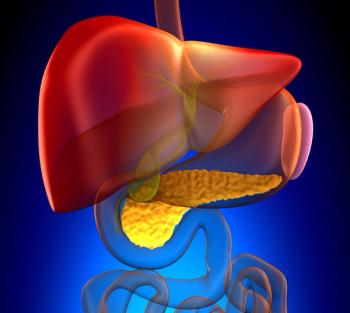
William A. Hall, MD, discussed the SOFT Preop study of preoperative SBRT vs conventional chemoradiation for pancreatic adenocarcinoma.

Chih-Yi “Andy” Liao, MD, discusses how oncologists are sequencing pemigatinib, futibatinib, and lirafugratinib and how their tolerability differs.

“It should be protocol that 100% of your patients with metastatic prostate cancer get germline testing. Full stop. No exceptions,” said Neal D. Shore, MD, FACS.
Chih-Yi “Andy” Liao, MD, discusses the FDA approval of lirafugratinib and what the field has learned about resistance to FGFR2 inhibitors.

In the phase 3 NRG-CC009 trial, SRS led to longer overall survival vs HA-WBRT plus memantine with similar neurocognitive failure in SCLC brain metastases.
Advertisement
Advertisement
Trending on CancerNetwork
1
BCMA/GPRC5D CAR T-Cell Therapy Shows Early Efficacy in R/R Multiple Myeloma
2
Aglatimagene Combo Shows Sustained Immune Remodeling in Prostate Cancer
3
What Does TALAPRO-3 Mean for Frontline Treatment of HRR-Altered mHSPC?
4
SBRT Matches Chemoradiation, Preserves QOL Before Pancreatic Surgery
5