Xiuning Le, MD, PhD, explains how oncologists should approach HER2 biomarker testing following sevabertinib’s frontline approval in non–small cell lung cancer.
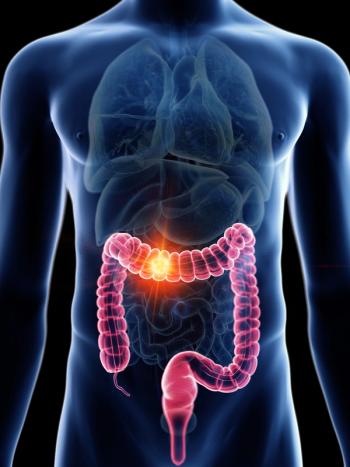
Next steps in surgery for gastroesophageal cancer include offerings for patients with advanced disease, such as those with oligometastases.
For the field of surgical oncology for gastroesophageal cancers, significant strides have been made in making minimally invasive operations a reality for patients with early-stage disease, according to Daniela Molena, MD.
Molena discussed emergent surgical modalities and techniques for locally advanced gastroesophageal cancer as well as advancements needed to bolster outcomes for this patient population in an interview with CancerNetwork® at the
She began by expressing that the field has evolved significantly since she began her career as a surgical oncologist, noting that “big, invasive operations” were the only available option for patients diagnosed with this disease. Since then, Molena explained that key advances were made for patients based on disease staging, with many patients expressing early-stage disease eligible to undergo minimally invasive approaches, such as endoscopies or endotherapy, and robotic surgeries. These approaches are key in delivery-safe, low-pain procedures that have shorter recovery times and fewer complications.
She also highlighted a desire to offer surgery to patients expressing more advanced disease, citing a potential ability to surgically treat patients with oligometastatic disease, or those with local residual disease following treatment for metastatic cancer, based on an understanding of the disease and its biology. Molena concluded in pointing to a need to improve upon current surgical techniques, utilizing tools such as robotic surgeries to improve patient recovery and quality of life during and after a procedure.
Molena is director of the Esophageal Surgery Program and a thoracic surgeon at Memorial Sloan Kettering Cancer Center.
Transcript:
It has changed significantly over my lifetime. When I started [my] career, we only had open surgery. There were no treatments. We had big, invasive operations. Now, we have moved to first treating patients differently according to stage. We have a lot of early-stage disease now that is treated with endoscopy and endotherapy, which is fantastic for the patients. Then we have a lot more minimally invasive approaches: robotic surgery is very strong, and we can do an operation that is safe but also [elicits] less pain, faster recovery, less complication.
In the future, my hope is that we can offer more surgery for patients who have more advanced disease. This is one field I’m [quite] passionate about to understand, as we understand the disease better [and] the biology of the disease better, we can potentially offer surgery to patients with oligometastatic disease, or patients who had metastatic disease at diagnosis, but then with the medication, have responded well and only have local [residual] disease. Those are all important questions, so that we can treat more patients, and not just those that are lucky to be diagnosed at an early stage.
Then, hopefully, we improve in our techniques. There are a lot of new technical approaches: robotics will help us to [perform] less invasive [surgery with] less pain and much faster recovery type of operations. There’s a lot of research that is being adopted in that field as well.