

Opinion|Videos|April 9, 2026
Setting Expectations for Long-Term Therapy in EGFR-Mutated NSCLC
Fact checked by: Justin Mancini
In this segment, Dr. Alexander Spira and Dr. Natalie Vokes discuss how to effectively counsel patients starting adjuvant EGFR tyrosine kinase inhibitor therapy in early-stage EGFR-mutated non–small cell lung cancer (NSCLC).
Advertisement
Episodes in this series

In this segment, Dr. Alexander Spira and Dr. Natalie Vokes discuss how to effectively counsel patients starting adjuvant EGFR tyrosine kinase inhibitor therapy in early-stage EGFR-mutated non–small cell lung cancer (NSCLC). Dr. Vokes emphasizes the importance of setting clear expectations at the outset regarding the duration of therapy, which often extends over several years, and the need for long-term commitment to treatment. The conversation highlights how proactive education around potential side effects, such as dermatologic and gastrointestinal toxicities, can help patients feel prepared and supported. Dr. Vokes also underscores the importance of reinforcing the value of persistence, even when patients are asymptomatic following surgery. By aligning patient expectations early and maintaining open communication throughout treatment, clinicians can help improve adherence and support successful completion of therapy in EGFR-mutated NSCLC.
Advertisement
Related to this article

Ravi Patel, MD, PhD, discusses expanding theranostics access, personalized dosing strategies, and translational research in radiation oncology.

Jeffrey V. Matous, MD, discusses how to counsel patients on chronic, low-grade toxicities to support adherence to ramantamig.

The FDA approved adjuvant atezolizumab with chemotherapy for patients with resected stage III dMMR colon cancer based on results from the phase 3 ATOMIC trial.
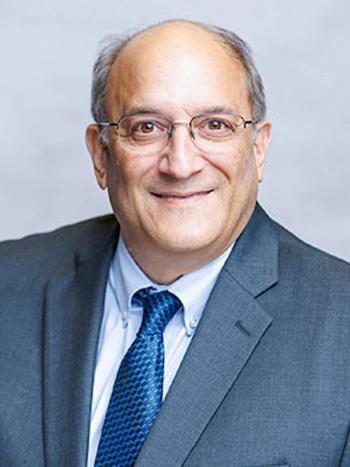
“No one should be excluded from any clinical trial,” said Paul G. Rubinstein, MD, regarding patients with HIV-associated cancers in cooperative group studies.

Interim phase 2 data show a median PFS of 17.7 months with carotuximab plus apalutamide vs 2 months with apalutamide alone in metastatic CRPC.
Ahead of a fourth-quarter 2026 FDA decision, TALAPRO-3 investigators outline the testing, monitoring, and sequencing steps needed to adopt the regimen.

Iberdomide plus daratumumab/dexamethasone met the second dual primary end point of the phase 3 EXCALIBER-RRMM trial in relapsed/refractory multiple myeloma.

Melody Rasouli, MD, MBA, FACOG, explained how random-start ovarian stimulation and rapid sperm banking fit fertility preservation into cancer care.
Advertisement
Advertisement
Trending on CancerNetwork
1
FDA Approves Atezolizumab/Chemo for Stage III dMMR Colon Cancer
2
Novel Cancer Vaccine Plus Temozolomide Miss Primary End Point in Glioblastoma
3
FDA Approves Tucatinib Combo as Maintenance in HER2+ Breast Cancer
4
Iberdomide Combination Doubles PFS vs SOC Therapy in R/R Multiple Myeloma
5