

Opinion|Videos|April 9, 2026
Defining Meaningful Outcomes in Neoadjuvant EGFR-Mutated NSCLC
Fact checked by: Justin Mancini
In this segment, Dr. Alexander Spira and Dr. Edward Kim discuss which outcomes are most clinically meaningful when evaluating neoadjuvant targeted therapy in early-stage EGFR-mutated non–small cell lung cancer (NSCLC).
Advertisement
Episodes in this series

In this segment, Dr. Alexander Spira and Dr. Edward Kim discuss which outcomes are most clinically meaningful when evaluating neoadjuvant targeted therapy in early-stage EGFR-mutated non–small cell lung cancer (NSCLC). Dr. Kim highlights that while radiographic response can provide early insight into treatment activity, pathologic response and the ability to proceed to successful surgical resection are often more impactful in the curative-intent setting. The discussion emphasizes that surgical feasibility and preservation of operability remain critical considerations when incorporating neoadjuvant approaches. Dr. Kim also notes that clinicians must balance tumor response with maintaining appropriate timing for surgery. The panel reflects on how evolving evidence is shaping how these endpoints are interpreted in clinical practice. This segment underscores the importance of selecting meaningful and clinically relevant outcomes to guide treatment decisions in neoadjuvant EGFR-mutated NSCLC.
Advertisement
Related to this article

Ravi Patel, MD, PhD, discusses expanding theranostics access, personalized dosing strategies, and translational research in radiation oncology.

Jeffrey V. Matous, MD, discusses how to counsel patients on chronic, low-grade toxicities to support adherence to ramantamig.
The FDA approved adjuvant atezolizumab with chemotherapy for patients with resected stage III dMMR colon cancer based on results from the phase 3 ATOMIC trial.
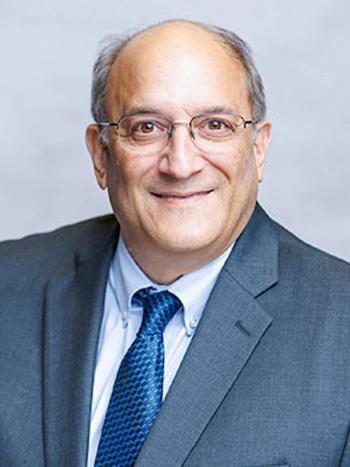
“No one should be excluded from any clinical trial,” said Paul G. Rubinstein, MD, regarding patients with HIV-associated cancers in cooperative group studies.

Interim phase 2 data show a median PFS of 17.7 months with carotuximab plus apalutamide vs 2 months with apalutamide alone in metastatic CRPC.
Ahead of a fourth-quarter 2026 FDA decision, TALAPRO-3 investigators outline the testing, monitoring, and sequencing steps needed to adopt the regimen.

Iberdomide plus daratumumab/dexamethasone met the second dual primary end point of the phase 3 EXCALIBER-RRMM trial in relapsed/refractory multiple myeloma.
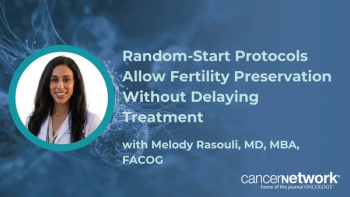
Melody Rasouli, MD, MBA, FACOG, explained how random-start ovarian stimulation and rapid sperm banking fit fertility preservation into cancer care.
Advertisement
Advertisement
Trending on CancerNetwork
1
FDA Approves Atezolizumab/Chemo for Stage III dMMR Colon Cancer
2
Novel Cancer Vaccine Plus Temozolomide Miss Primary End Point in Glioblastoma
3
FDA Approves Tucatinib Combo as Maintenance in HER2+ Breast Cancer
4
Iberdomide Combination Doubles PFS vs SOC Therapy in R/R Multiple Myeloma
5