





Leukemia
Latest News
Advertisement
Video Series




Latest Videos
![We have the current CAR [T-cell therapies], which target CD19; however, we need others.](https://cdn.sanity.io/images/0vv8moc6/cancernetwork/6d5ddb2c2098f525a65b378ece6ca55a114f95fc-2974x1660.png?w=320&fit=crop&auto=format)


Podcasts








CME Content































Advertisement
More News

Daniel Peters, MD, aims to reduce the toxicity associated with AML treatments while also improving therapeutic outcomes.

Patients with AML will experience different toxicities based on the treatment they receive, whether it is intensive chemotherapy or targeted therapy.

A younger patient with AML who is more fit may be eligible for different treatments than an older patient with chronic medical conditions.

Experts from Georgia Cancer Center highlight ongoing retrospective studies, translational research, and other initiatives across different cancers.

According to Daniel Peters, MD, the recent FDA approvals of revumenib and ziftomenib in AML are some of the most exciting developments in the field.

Among all patients with AML enrolled in the trial who received olutasidenib, the CR or CRh rate was 35%, with 55% of responders responding within 2 months.

Based on results from the ANDROMEDA study, the FDA has given traditional approval to daratumumab and hyaluronidase-fihj plus VCd in patients with newly diagnosed light chain amyloidosis.
Clinical data from the phase 1b/2 KOMET-001 trial support the agency’s approval of ziftomenib in this patient population.
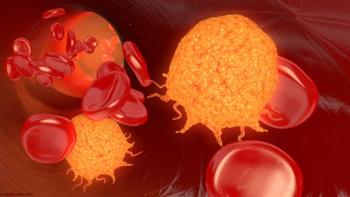
The newly approved dasatinib tablets are therapeutically equivalent and approved in the same indications as reference dasatinib.
Researchers have determined that matched allogeneic donor CD19 CAR T-cell therapy, delivered as a CAR-modified donor lymphocyte infusion, is safe and clinically active for adults with relapsed B-ALL following allogeneic transplant.

The FDA's CRL for the HyNap formulation of dasatinib due to manufacturing issues does not affect the efficacy or availability of standard dasatinib.

Over the past 4 years, the FDA has accepted a number of NDA submissions for dasatinib, but it has yet to receive approval in CML/ALL.
Results from the phase 1/2 AUGMENT-101 trial support the FDA’s decision for approving revumenib in this NPM1-mutated, relapsed/refractory AML population.
The FDA has set a Prescription Drug User Fee Act date of June 18, 2026, for approving this formulation of nilotinib in chronic myeloid leukemia.

Based on the Good Manufacturing Practice observations, the FDA has given a complete response letter for dasatinib for patients with CML/ALL.

Yale’s COPPER Center aims to address disparities and out-of-pocket costs for patients, thereby improving the delivery of complex cancer treatment.
Jorge Cortes, MD, outlines the impact of imatinib in chronic myeloid leukemia and highlights future initiatives in the field.
Non-Hodgkin lymphoma and other indolent forms of disease may require sequencing new treatments for years or decades, said Scott Huntington, MD, MPH, MSc.
Fixed-duration therapy may be more suitable for younger patients, while continuous therapy may benefit those who are older with more comorbidities.
Determining the molecular characteristics of one’s disease may influence the therapy employed in the first line as well as subsequent settings.
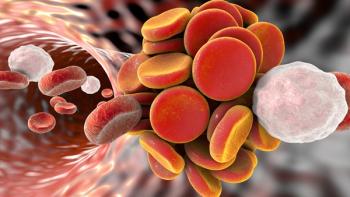
A phase 1 trial is evaluating UB-VV111 with and without rapamycin as treatment for patients with CLL and LBCL who received at least 2 prior therapies.

An indirect comparison supports continuous therapy with zanubrutinib as a valuable treatment option in treatment-naïve CLL or SLL.
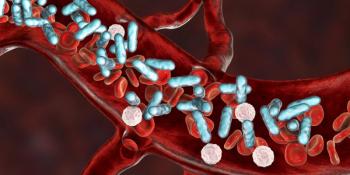
Data from KOMET-001 support ziftomenib as a new potential option for patients with relapsed/refractory NPM1-mutated acute myeloid leukemia.
A 2-way communication between providers and patients may help facilitate dose modifications to help better manage adverse effects.

Ziftomenib yielded a median overall survival of 16.4 months in responders with NPM1-mutant AML who received ziftomenib in the phase 1b/2 KOMET-001 trial.
Advertisement
Advertisement
Trending on CancerNetwork
1
Modifiable Risk Factors Suggest Potential for Improving Cancer Prevention
2
Dato-DXd Receives Priority Review in Unresectable/Metastatic TNBC
3
2026 Tandem Meetings: What’s the Latest Research in Multiple Myeloma?
4
Outlining Advances in AI For Breast Cancer Screening/Radiomics
5