




























































A new report suggests targeting the Gal9/TIM3-axis could help boost chances of complete remission in patients with acute myeloid leukemia.
A new report suggests targeting the Gal9/TIM3-axis could help boost chances of complete remission in patients with acute myeloid leukemia.
Researchers utilized a targeted next-generation sequencing (NGS) panel developed at Oregon Health & Science University to assess the clearance of mutations after therapy, clonal evolution at relapse, and combinations of mutations.
The CLARITY trial looked at measurable residual disease negativity in 54 patients with relapsed or refractory chronic lymphocytic leukemia who received ibrutinib in combination with venetoclax.

While many patients with follicular lymphoma did well with this new regimen, the majority of those who did have disease progression had transformed disease.

Patients with follicular lymphoma who were minimal residual disease-positive after undergoing involved field radiation therapy were given rituximab to see how it affected progression-free survival.
Researchers from the Mayo Clinic in Rochester, Minn. examined the disease histology and outcomes of patients with diffuse large B-cell lymphoma and a concurrent lymphoma.
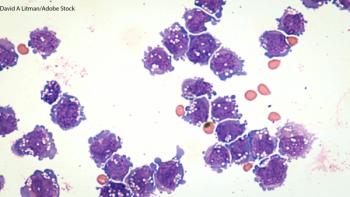
A combination of ibrutinib, lenalidomide, and rituximab was tested on patients with relapsed or refractory diffuse large B-cell lymphoma, particularly those with non-GCB subtype.
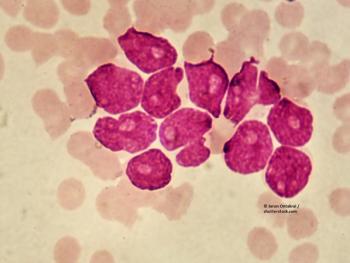
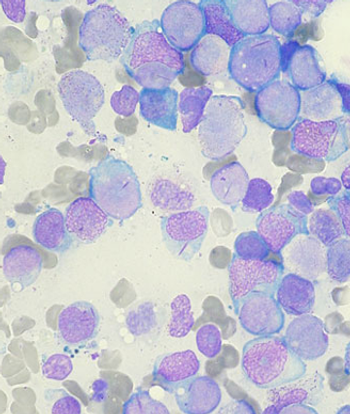

The addition of sorafenib to intensive chemotherapy had a significant impact on the survival rate of patients with FLT3-internal tandem duplication mutation-positive acute myeloid leukemia.
ONCOLOGY discussed therapy options for adult acute lymphoblastic leukemia with Dr. Elias Jabbour, MD, Professor of Medicine in the Department of Leukemia at the MD Anderson Cancer Center in Houston, Texas.
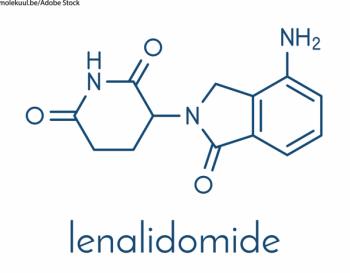
In this phase II GALEN study, researchers examined the effects of lenalidomide and obinutuzumab in patients with relapsed or refractory follicular lymphoma.
A new study examined outcomes in infants with acute lymphoblastic leukemia treated with a lymphoid course of therapy vs a myeloid course.
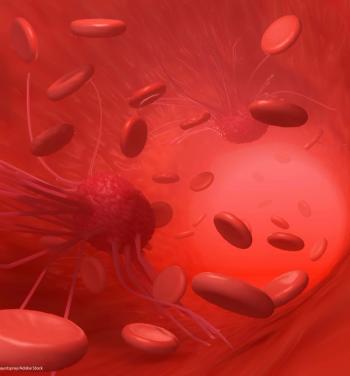
A new study looked at the rates of response and remission in patients with relapsed or refractory follicular lymphoma who underwent CD19-directed CAR-T cell therapy.
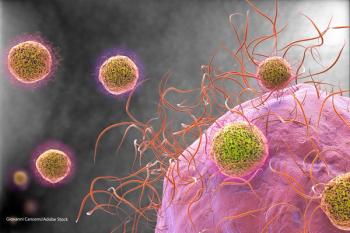
Cell of origin and dual expressor/double-hit status may not confer prognosis as originally suspected.
Researchers looked at the effect of diagnostic wait time on survival outcomes for patients with diffuse large B-cell lymphoma.
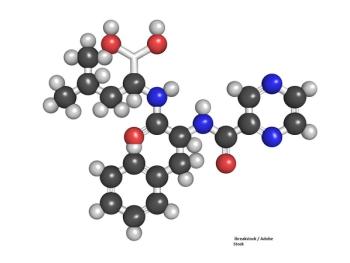
The CALGB 50904 trial tested the addition of bortezomib to ofatumumab and bendamustine in patients with previously untreated high-risk follicular lymphoma.
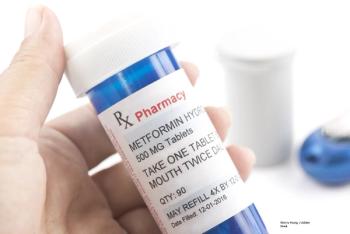
A Mayo Clinic study tested metformin, believed to have anti-lymphoma activity, among patients with newly diagnosed diffuse large B-cell lymphoma or follicular lymphoma.

Researchers looked at second-generation tyrosine kinase inhibitors at their current prices to test treatment value for patients with chronic myeloid leukemia.

Researchers conducted a cost-effectiveness analysis on the two FDA-approved CAR T-cell therapies for diffuse large B-cell lymphoma.

Researchers tested radiation therapy as a bridging therapy for patients with relapsed/refractory diffuse large B-cell lymphoma during the interval between T-cell collection and final CAR T administration.

The gait speed of an older patient with a hematologic malignancy may be an indicator of that patient’s frailty and could predict for worse clinical outcomes.
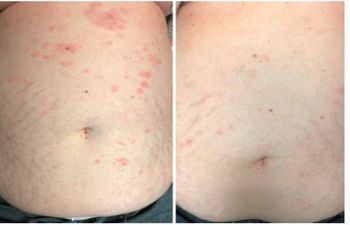
A 70-year-old woman developed red-to-violaceous papules, plaques, and nodule- like skin lesions several months prior to her presentation. The skin lesions mostly involved her lower neck and abdominal area. What is the most likely diagnosis?
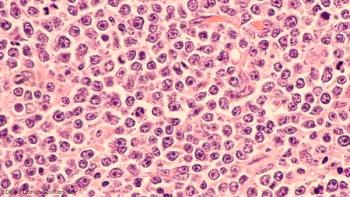
Late relapses occurred more commonly among patients with DLBCL with concurrent indolent lymphoma at initial diagnosis and those with GCB subtype.
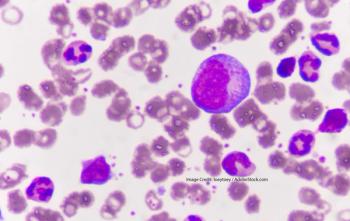
A randomized phase II trial investigated whether adding CX-01, a low anticoagulant heparin derivative, to standard care improves outcomes in older patients with acute myeloid leukemia.