






Radiation Oncology
Latest News
Advertisement
Latest Videos




CME Content

































Advertisement
More News

Uterine transposition, a surgical approach preserving fertility by moving the uterus out of the radiation field, may improve gynecologic cancer outcomes.

Although accuracy remains a focus in whole-body MRI testing in patients with Li-Fraumeni syndrome, comfortable testing experiences may ease anxiety.

Patrick Oh, MD, highlights next steps for further research in treating patients with systemic therapy in addition to radiotherapy for early-stage NSCLC.
Increased use of systemic therapies, particularly among patients with high-risk node-negative NSCLC, were observed following radiotherapy.

Heather Zinkin, MD, states that reflexology improved pain from chemotherapy-induced neuropathy in patients undergoing radiotherapy for breast cancer.

A prospective trial may help affirm ctDNA as a non-invasive option of predicting responses to radiotherapy among those with gynecologic cancers.

Offering certain radiotherapy modalities based on disease burden may play a role in the outcomes of those with ES-SCLC, according to James Ninia, MD.
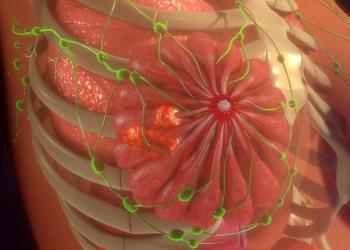
Bin Gui, MD, discussed how ultra-hypofractionated radiotherapy may be a convenient treatment option for elderly patients with early breast cancer.

Noah S. Kalman, MD, MBA, describes the rationale for using a test to measure granular details of taste change in patients undergoing radiotherapy for HNC.

No evidence indicates synergistic toxicity when combining radiation with CAR T-cell therapy in this population, according to Timothy Robinson, MD, PhD.
The addition of radiotherapy to CAR T-cell therapy may particularly benefit patients with localized disease, according to Timothy Robinson, MD, PhD.
Timothy Robinson, MD, PhD, discusses how radiation may play a role as bridging therapy to CAR T-cell therapy for patients with relapsed/refractory DLBCL.

Results showed of the phase 3 ADRIATIC study found that treatment with durvalumab elicited similar radiation pneumonitis incidences vs placebo for LS-SCLC.

James Ninia, MD, discussed a phase 2/3 trial seeking to answer whether complete consolidation offers more benefit than incomplete consolidation in SCLC.

Overall survival benefit was significant with complete vs incomplete consolidation therapy, but lost significance when stratified by disease burden.
James Ninia, MD, discussed treatment options for patients with extensive-stage small cell lung cancer undergoing metastasis-directed radiotherapy.

Whole or accelerated partial breast ultra-hypofractionated radiation in older patients with early breast cancer may reduce recurrence with low toxicity.
Ultra-hypofractionated radiation in those 65 years or older with early breast cancer yielded no ipsilateral recurrence after a 10-month follow-up.
The unclear role of hypofractionated radiation in older patients with early breast cancer in prior trials incentivized research for this group.
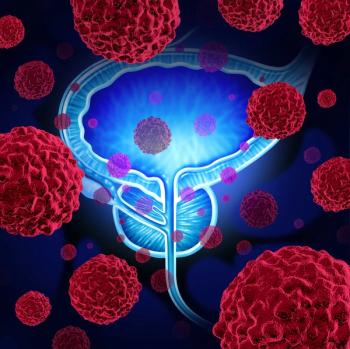
Phase 2 data support further evaluation of nivolumab plus standard radiotherapy in patients with Gleason grade 5 prostate cancer.
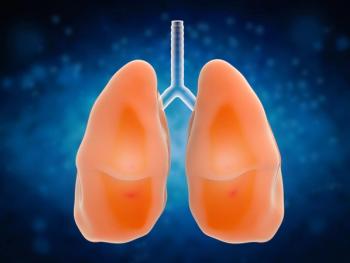
Data show that twice-daily radiotherapy may confer improved survival vs once-daily radiation in patients with limited-stage small cell lung cancer.

Use of DCISionRT may open new options for tailored treatments among patients with HER2-positive ductal carcinoma in situ.

Retrospective study data show that patients with inflammatory bowel disease may not require modification of standard radiotherapy for pelvic malignancies.
Prospective trial data may help guide treatment planning for patients with inflammatory bowel disease planning to undergo radiotherapy.

Efficacy findings were enhanced when 177Lu-Dotatate was used to treat patients with grade II/III recurrent meningioma.
Advertisement
Advertisement
Trending on CancerNetwork
1
Modifiable Risk Factors Suggest Potential for Improving Cancer Prevention
2
2026 Tandem Meetings: What’s the Latest Research in Multiple Myeloma?
3
Dato-DXd Receives Priority Review in Unresectable/Metastatic TNBC
4
Barriers to CAR T-Cell Referral and Center Access in Multiple Myeloma
5