

The founding executive director of the GI Cancers Alliance discussed important takeaways from a study of patient perspectives of clinical trial participation during the COVID-19 pandemic.
The founding executive director of the GI Cancers Alliance discussed important takeaways from a study of patient perspectives of clinical trial participation during the COVID-19 pandemic.
The hospitalist at Memorial Sloan Kettering Cancer Center discussed the results of a study which evaluated the use of 177Lu-DOTATATE in patients with well-differentiated, high-grade neuroendocrine tumors.

The expert in hematology/oncology discussed the results of a study which evaluated the use of peptide receptor radionuclide therapy in patients with well-differentiated neuroendocrine tumors.
Compared with previous standard-of-care therapy with sorafenib, the IMbrave150 combination maintains overall survival superiority in treatment-naive advanced hepatocellular carcinoma.
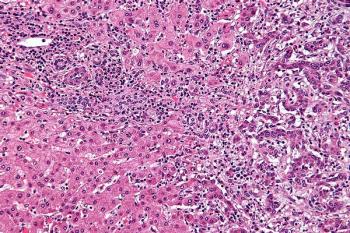
Encouraging efficacy and safety outcomes were reported at the 2021 Gastrointestinal Cancers Symposium when infigratinib was used to treat FGFR2 fusion–positive cholangiocarcinomas that are refractory to chemotherapy.
Overall survival benefits were noted when ivosidenib tablets were used in previously treated patients with IDH1-mutant cholangiocarcinoma when compared against placebo, according to a phase 3 trial.
No significant benefits to progression-free survival were noted with the axitinib-plus-octreotide combination for the treatment of patients with advanced G1-2 extra-pancreatic neuroendocrine tumors.

Overall self-reported quality of life in patients with metastatic pancreatic cancer was correlated with their mean daily step count during the first 2 weeks of treatment on SM-88.
Overall and progression-free survival with second-line pembrolizumab for hepatocellular carcinoma maintained numerical superiority, according to a phase 3 trial.
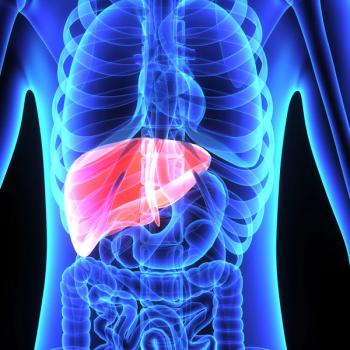
Results of a phase 2 trial presented at the 2021 ASCO Gastrointestinal Cancers Symposium show promise for immunotherapy treatment involving pembrolizumab in patients with HCC receiving no prior systemic therapy.
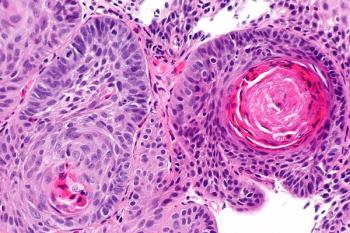
Data presented at the 2021 Gastrointestinal Cancers Symposium shows promise for the combination of camrelizumab plus apatinib for previously treated patients with esophageal squamous cell carcinoma.

Statistically significant improvements in PFS were seen with the multitarget kinase inhibitor anlotinib in Chinese patients with refractory metastatic colorectal cancer, with OS differences noted in certain subgroups.

Lenvatinib monotherapy was an effective first-line therapy for patients with unresectable hepatocellular carcinoma, according to data from a retrospective, real-world analysis.
A leading expert in the field of esophageal cancers discussed his upcoming research on cabozantinib combined with pembrolizumab to treat gastroesophageal adenocarcinoma at the 2021 ASCO Gastrointestinal Cancers Symposium.
When compared with standard capecitabine and bevacizumab therapy, patients with unresectable metastatic colorectal cancer saw an increase in overall and progression-free survival.
Rates of survival increased in step with treatment duration of liposomal irinotecan plus 5-fluorouracil/leucovorin in patients with metastatic pancreatic ductal adenocarcinoma.

Data presented at the 2021 ASCO Gastrointestinal Cancers Symposium found that health-related quality of life among younger survivors of colorectal cancer is poor and social and functional well-being are also suffering as treatment durations increase.

When compared with chemotherapy, patients with microsatellite-instability high/mismatch repair deficient metastatic colorectal cancer saw significant improvement in progression-free survival with the frontline use of pembrolizumab monotherapy, while demonstrating superior safety.
The hospitalist at Memorial Sloan Kettering Cancer Center spoke about the design of a study which evaluated the use of 177Lu-DOTATATE in patients with well-differentiated, high-grade neuroendocrine tumors.

Three abstracts reported at a medical meeting indicate that the combination of pembrolizumab plus lenvatinib is active in various gastrointestinal cancers.
Patient's surgical risk for potentially resectable advanced thoracic esophageal cancer is not negatively impacted by neoadjuvant chemotherapy, study finds.

Data presented at the 2021 ASCO Gastrointestinal Cancers Symposium found that health-related quality of life was steady and similar over the course of 18 weeks for patients receiving chemotherapy with or without pembrolizumab for esophageal cancer.

Cancertrialsearch.com helped to match patients with gastrointestinal cancers to clinical trials using 7 different criteria, possibly paving the way for patients to find, understand, and enroll in oncology clinical trials.

Similar results with nivolumab and a matched placebo are reported with preliminary health-related quality-of-life data from the CheckMate 577 trial.

Stage 4 gastrointestinal stromal tumors were analyzed through a database query, results of which were presented in a poster at a recent medical meeting.

Statistically significant improvements in median progression-free survival were observed in patients with HER2- amplified disease who were treated with pembrolizumab in combination with trastuzumab and cisplatin plus capecitabine compared with those without HER2-amplified disease.
The phase 1b/2 PLANET study demonstrated promising results for patients with these rare gastrointestinal cancers.

The phase 2 study presented at the 2021 American Society of Clinical Oncology (ASCO) Gastrointestinal Cancer Symposium reported a total of 2 responses at the interim analysis, meeting criteria to continue accrual.

The expert in hematology/oncology spoke about the study which evaluated the use of peptide receptor radionuclide therapy in patients with well-differentiated neuroendocrine tumors.
The latest trial results are based on a larger patient population and were reported at the 2019 ASCO Genitourinary Cancers Symposium.