

Caroline Chung, MD, MSc, FRCPC, CIP, discussed how AI is transforming radiotherapy, ranging from uniform dosing to personalized, immune-sparing strategies.
Caroline Chung, MD, MSc, FRCPC, CIP, discussed how AI is transforming radiotherapy, ranging from uniform dosing to personalized, immune-sparing strategies.
Next steps in surgery for gastroesophageal cancer include offerings for patients with advanced disease, such as those with oligometastases.
Data from the GALAXY study in Japan may inform future use of total neoadjuvant therapy among patients with rectal cancer in the US.
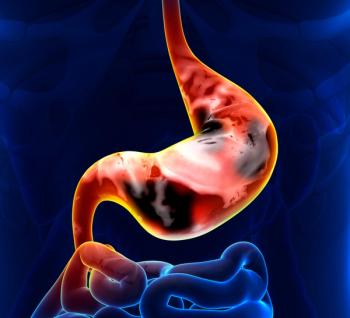
Any-grade AEs were comparable between cadonilimab and a PD-1 monoclonal antibody regimen in this population, and no difference in grade 3/4 AEs emerged.
The complicated nature of gastroesophageal cancer underscores the importance of collaboration between teams to safely treat patients with the disease.
Bodies like the NCCN must keep up with data related to ctDNA so that it can be incorporated in a measured manner, said Nicholas Hornstein, MD, PhD.
Circulating tumor DNA may particularly help adjuvant treatment decision-making in stage II colon cancer, according to Nicholas Hornstein, MD, PhD.
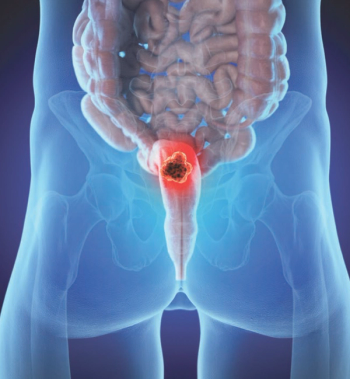
ACT5 of the PLAT study found radiotherapy dose escalation did not improve outcomes, safety, or QOL in patients with anal cancer.
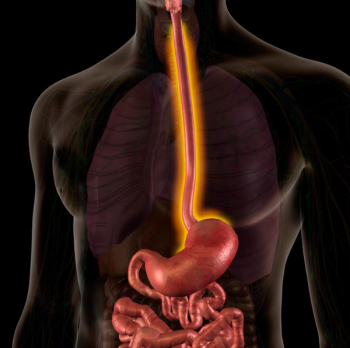
PFS and response rates were proved to be meaningful among patients receiving zolbetuximab plus mFOLFOX6 and nivolumab for metastatic gastric/GEJ cancer.
Any-grade AEs were observed in 91% of the pembrolizumab arm vs 82% of the placebo arm, with AEs leading to death in 1% of patients in both arms.
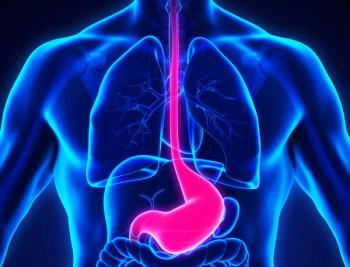
Data from the HERIZON-GEA-01 trial may support zanidatamab as a promising new standard in HER2-positive gastroesophageal adenocarcinoma.
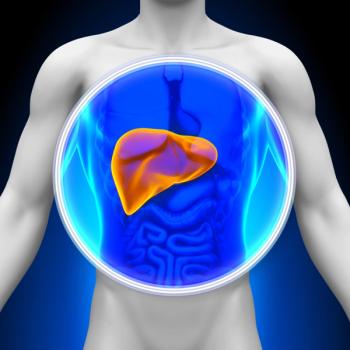
Early data from the ABC-HCC trial showed an improvement in median time to failure of strategy with atezolizumab/bevacizumab vs TACE in this HCC population.
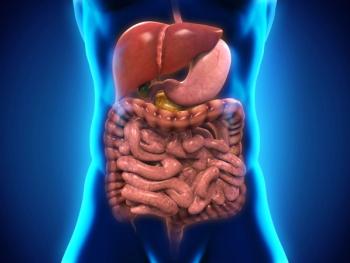
Consistent with FGFR2 inhibition, lirafugratinib was well-tolerated among patients with FGFR2-mutated cholangiocarcinoma in the ReFocus trial.
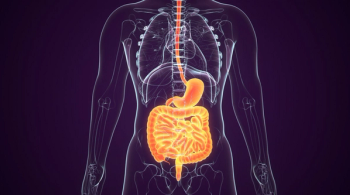
The primary end point of ORR was met in the CAR-like T-cell arm for patients with gastric/GEJ cancer.
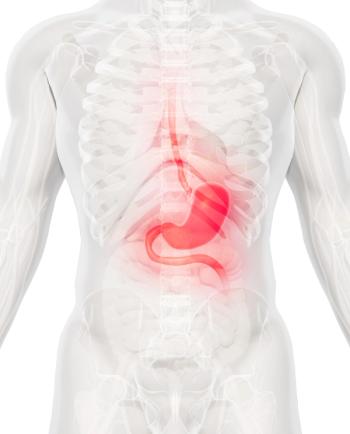
The safety profile of chemoradiotherapy with or without tislelizumab was acceptable among patients with gastric cancer or gastroesophageal junction cancer.
Data from the CRITICS-II trial support total neoadjuvant chemotherapy plus chemoradiotherapy as a preferred candidate for future study in this population.
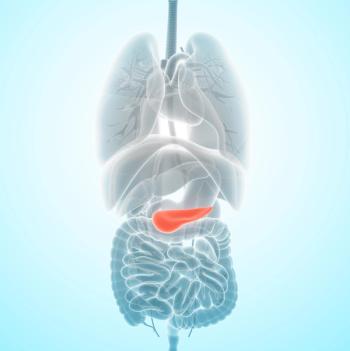
Findings from the phase 2b ASCEND trial will be presented at the European Society for Medical Oncology Gastrointestinal Cancers Congress on July 2, 2025.
Additional local, regional, or national policy may bolster access to screening for colorectal cancer, according to Aasma Shaukat, MD, MPH.

Options like acupuncture or cannabis use may be viable to help manage symptoms related to gastrointestinal cancer treatment.
The mechanism of action for daraxonrasib inhibits effectors and signaling while forming a relatively unstable tri-complex with codon 12 mutations.
“It does appear like MET expression could be one of the mechanisms wherein you could differentiate between responders and non-responders,” Kanwal P.S. Raghav, MBBS, MD, stated.
Almost all patients evaluable for efficacy reported a decrease in ctDNA when treated with daraxonrasib for RAS-mutant pancreatic ductal adenocarcinoma.
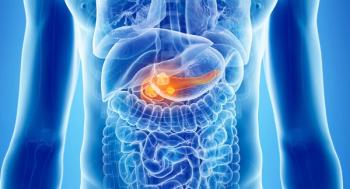
Data from 2025 ASCO GI support the potential role that combinations such as nivolumab/ipilimumab may play a part in managing different types of GI cancers.
Atezolizumab and bevacizumab yielded a median OS of 14.0 months vs 14.6 months with tremelimumab followed by durvalumab, a retrospective cohort study found.

A phase 2 trial found T-DM1 to be a tolerable treatment option for patients with HER2-positive biliary tract adenocarcinoma.
Additional progression-free survival data from the phase 3 BREAKWATER trial will be presented at future meetings.

The major pathologic response rate improved with extended time to surgery using botensilimab plus balstilimab in resectable colorectal cancer.
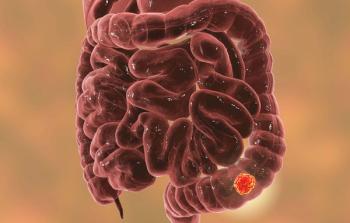
At a longer follow-up, adagrasib with cetuximab maintained meaningful efficacy and elicited an ORR of 34%, results from the phase 1/2 KRYSTAL-1 showed.

Phase 2 data may support fruquintinib plus TAS-102 as an alternative third-line treatment in patients with metastatic colorectal cancer.
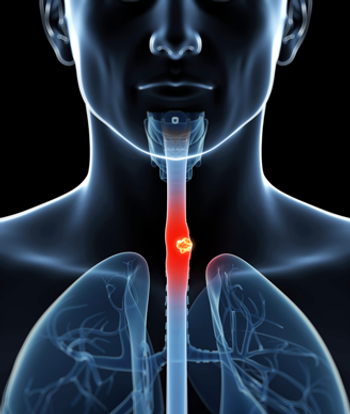
Patients with esophageal cancer who received palliative care consultations during end-of-life treatment experienced a decreased financial burden compared with patients who did not.