

A nurse-integrated mobile exercise app showed high usability, 80% exercise adherence, and significant fatigue improvements in a pilot study of adolescents with cancer.
A nurse-integrated mobile exercise app showed high usability, 80% exercise adherence, and significant fatigue improvements in a pilot study of adolescents with cancer.
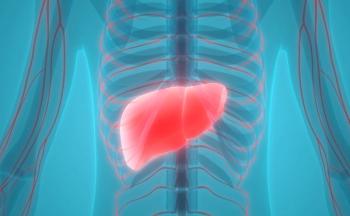
Grade 3 or higher TRAEs occurred in 73.7% of patients with HCC who received camrelizumab plus rivoceranib and TACE vs 28.7% who received TACE alone.
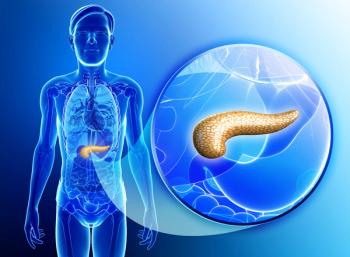
Atebimetinib plus modified gemcitabine/nab-paclitaxel demonstrated an ORR of 36% and median OS of 17.3 months in first-line metastatic pancreatic cancer.

FOLFIRI is viable as a chemotherapy backbone with the BREAKWATER regimen as a treatment for patients with frontline BRAF V600E-mutant metastatic colorectal cancer.
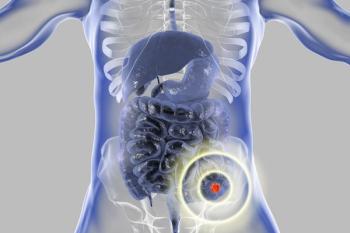
A remote mobile health intervention tripled the odds of CRC screening completion in at-risk childhood cancer survivors in the randomized ASPIRES trial.
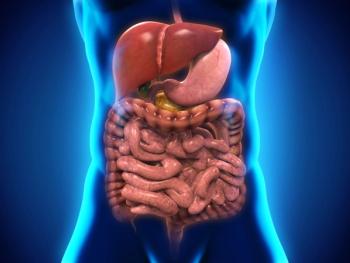
Adjuvant aspirin did not improve disease-free survival vs placebo in patients with stage III colorectal cancer who received standard adjuvant chemotherapy.
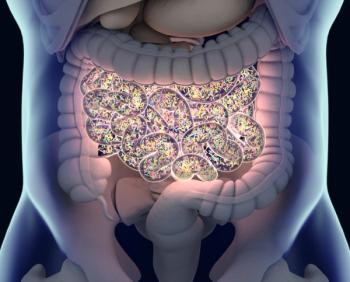
Serial ctDNA assessment after 3 months of adjuvant chemotherapy stratified recurrence risk and identified which patients with resected CRC benefit from extended treatment.

Daraxonrasib yielded a 13.2 month OS vs 6.6 months with chemotherapy for patients with metastatic PDAC.
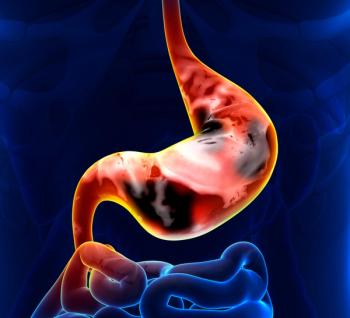
Yelena Y. Janjigian, MD, presented safety findings from DESTINY-Gastric03 at the 2026 ASCO Annual Meeting in HER2-expressing advanced gastric, GEJ, or esophageal adenocarcinoma.

Although colorectal cancer is not on the plenary stage at the 2026 ASCO Annual Meeting, there are still lots of high-profile trials reporting data.

The CHALLENGE trial in CRC studied structured exercise and demonstrated a DFS benefit comparable to or exceeding oxaliplatin chemotherapy.

Nicholas J. Hornstein, MD, PhD, highlighted results from the phase 3 ATOMIC and CHALLENGE trials in CRC presented at the 2025 ASCO Annual Meeting.

According to Ronan J. Kelly, MD, MBA, deciding whether to give nivolumab- or durvalumab-based regimens in gastric cancers may rely on a patient’s frailty.
Five-year follow-up revealed that patients treated with nivolumab vs placebo in the phase 3 CheckMate 577 trial experienced a “doubling” of survival.
Patients treated with nivolumab in the phase 3 CheckMate 577 trial were less likely to experience progression-related treatment discontinuation vs placebo.
Brandon R. Mancini, MD, MBA, FACRO, discussed results from a phase 1/2a trial that evaluated [212Pb]VMT-α-NET in patients with advanced NETs.
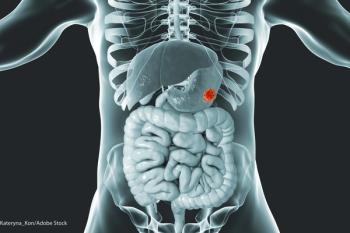
Fruquintinib plus chemotherapy and a PD-1 inhibitor elicited an ORR of 80.0% with all partial responses in patients with treatment-naïve gastric/GEJ cancer.
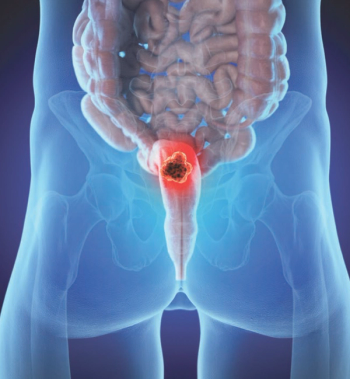
Results from the ShorTrip trial found that SCRT plus chemotherapy regimens showed promising efficacy for patients with locally advanced rectal cancer.
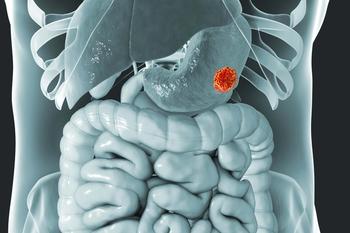
Disitamab vedotin, toripalimab, and trastuzumab demonstrated superior response rates and efficacy in HER2-overexpressing metastatic gastric cancers.
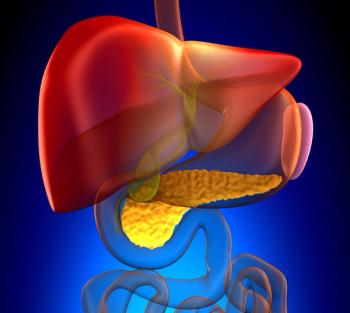
A survival benefit was noted when elraglusib was added to chemotherapy for patients with metastatic PDAC.
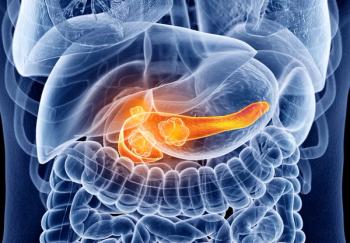
Cisplatin, nab-paclitaxel, gemcitabine, and capecitabine significantly improved EFS vs mFOLFIRINOX in resectable or borderline resectable pancreatic ductal adenocarcinoma.

Five-year follow-up confirms adjuvant nivolumab's sustained disease-free and distant metastasis-free survival benefits in resected esophageal/GEJ cancer post-CRT.
A post hoc analysis of NAPOLI-3 reveals clinical characteristics and treatment strategies associated with long-term survival in patients with metastatic PDAC treated with NALIRIFOX.

No fatalities were observed with fruquintinib plus camrelizumab, paclitaxel liposome, and nedaplatin when treating esophageal squamous cell carcinoma.
Results from the ATOMIC trial found a 50% reduction in the risk of death for patients with dMMR colon cancer receiving atezolizumab/chemotherapy.

Data from the MATTERHORN trial may be “practice-changing” in the management of resectable gastric or gastroesophageal junction adenocarcinoma.
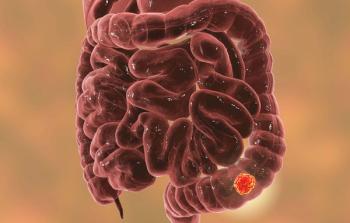
As a single agent or in combination, MK-1084 showed promising efficacy and safety results for patients with KRAS G12C–mutated CRC.

Emergent alteration patterns were similarly diverse across treatment arms in the phase 3 CodeBreaK 300 study.

The median PFS was 54.1 months with nivolumab/ipilimumab vs 5.9 months with chemotherapy in patients with MSI-H/dMMR CRC.

Anlotinib/chemotherapy showed comparable efficacy vs bevacizumab/chemotherapy in patients with RAS/BRAF wild-type metastatic colorectal cancer.