

![“[E]ven if patients relapse following an allogeneic transplant, donor lymphocyte infusions can be incredibly helpful,” said Mary Jo Lechowicz, MD.](https://cdn.sanity.io/images/0vv8moc6/cancernetwork/06df696db42b151710c58727b1333ee098de6453-1200x800.jpg)
Lymphoma
Latest News
Advertisement
Video Series
Latest Videos

Shorts
0:41
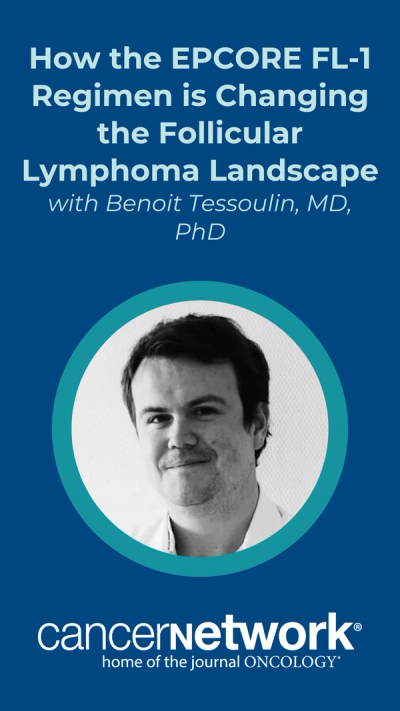
How the EPCORE FL-1 Regimen is Changing the Follicular Lymphoma Landscape
3 months ago
by
Benoit Tessoulin, MD, PhD
1:08
Prioritizing Response Durability in Heavily Pretreated Hodgkin Lymphoma
3 months ago
by
Guilherme Fleury Perini, MD, PhD
0:49
Weighing the frontMIND PFS Benefit Vs Toxicity in High-Risk DLBCL
3 months ago
by
Matthew J. Matasar, MD
0:57
Phase 1 Mosunetuzumab Data Inspires Phase 3 MorningLyte Study
3 months ago
0:51
Will Multi-Targeted Regimens Spell a Reduction of Chemotherapy in DLBCL?
4 months ago
by
Sonali M. Smith, MD
0:50
Can Tafasitamab/Lenalidomide Prolong Remission in High-Risk DLBCL?
4 months ago
by
Sonali M. Smith, MD
0:58
Is There Potential for a More Minimally Invasive Alternative to Biopsy?
5 months ago
by
Hua-Jay J Cherng, MD
1:24
Optimizing the Use of Assessment Tools in Lymphoma Care
5 months ago
by
Hua-Jay J Cherng, MD
0:48
Leveraging Ancient Viral Genes to Fight Lymphoma
5 months ago
by
Jennifer Effie Amengual, MD
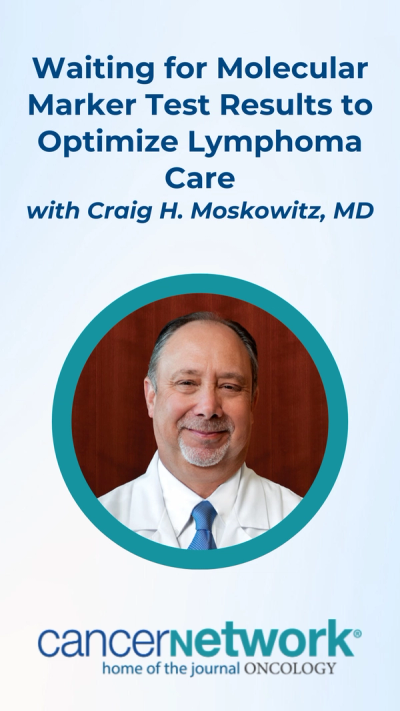
0:48
Waiting for Molecular Marker Test Results to Optimize Lymphoma Care
5 months ago
by
Craig H. Moskowitz, MD
Podcasts



























































Advertisement
More News

Jasmine Zain, MD, emphasized the importance of good patient counseling when outlining the potential risks of secondary T-cell malignancies following CAR T-cell therapy.
The IND clearance for IASO208, a CD20-targeted in vivo CAR-T therapy requiring no leukapheresis or lymphodepletion, enables advancement of a phase 1b trial.
Immunochemotherapy, bispecifics, and next-generation BTK inhibitors dominated discussion of ENKTL, MZL, and Waldenström macroglobulinemia at a SOHO session.

Tumor-informed ctDNA testing with the Signatera assay outperformed standard PET/CT imaging across B- and T-cell lymphoma subtypes.
Final phase 1/1b data for soquelitinib in T-cell lymphoma showed a 37.5% ORR and a 28.1-month median OS in patients who received 1 to 3 prior lines of therapy.

In a SEER-based cohort of more than 20,000 adults, 5-year Hodgkin lymphoma survivors had nearly double the all-cause mortality of the general population.
The FDA has cleared an investigational new drug application for C-CAR039, a CD19/CD20 bispecific CAR T-cell therapy, in relapsed/refractory large B-cell lymphoma.
A multidisciplinary panel discussed CAR-T candidacy and second-line treatment sequencing for patients with relapsed/refractory DLBCL.
In a phase 1 dose-escalation trial, duvelisib plus azacitidine produced a 46% overall response rate in relapsed/refractory T-cell lymphoma.
In a phase 1b/2 trial, epcoritamab plus bendamustine/rituximab produced a 96% complete response rate in patients with untreated follicular lymphoma.
Cema-cel received RMAT and fast track designations for first-line consolidation therapy in MRD-positive large B-cell lymphoma based on phase 2 ALPHA3 data.
!["I can’t make [treatment] decisions for you, but I can give you realistic expectations," said Herbert Lepor, MD, of NYU Langone Health.](https://cdn.sanity.io/images/0vv8moc6/cancernetwork/11e93c561a9ff98f731b152d7f48e6f792831864-1000x1000.jpg?w=350&fit=crop&auto=format)
"I can’t make [treatment] decisions for you, but I can give you realistic expectations," said Herbert Lepor, MD, of NYU Langone Health.
A multidisciplinary panel discussed second-line CAR T-cell candidacy, real-world referral barriers, and the management of delayed toxicities in DLBCL.
Among evaluable patients with B-cell NHL from the dose-escalation portion of the trial without CNS involvement, all CRs were sustained through 6 months.
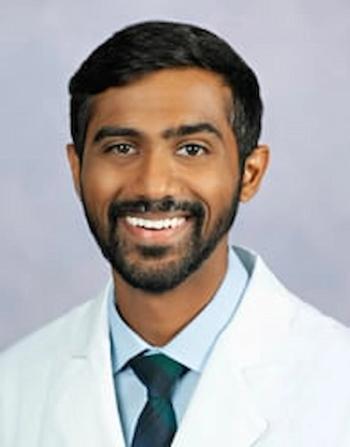
Nikesh Shah, MD, discussed the specific factors that shape the choice between a bispecific and CAR T-cell therapy in follicular lymphoma.
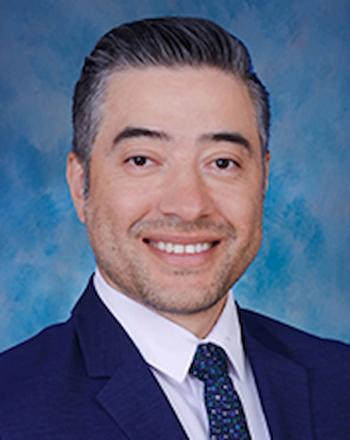
Carlos Silva Rondon, MD, of Moffitt Cancer Center discussed factors guiding selection between CAR T therapy or bispecific antibodies in follicular lymphoma.
In a phase 1 trial, englumafusp alfa plus glofitamab produced a 68.7% overall response rate in heavily pretreated aggressive B-cell non-Hodgkin lymphoma.
The European Commission approved epcoritamab/R2 for adult patients with relapsed/refractory follicular lymphoma based on the phase 3 EPCORE FL-1 data.
Experts focused on lymphoma cellular therapy convened to discuss CAR T-cell candidacy and practical barriers to access for patients with DLBCL.
Full phase 3 MANGROVE trial data will be presented at an upcoming medical meeting, with global regulatory submissions planned for the second half of 2026.
![“[Epcoritamab/R2] is a good option for [patients] at first relapse or even further, even if they are very high risk,” said Benoit Tessoulin, MD, PhD.](https://cdn.sanity.io/images/0vv8moc6/cancernetwork/d4c175d2fd9b443716f5ad06bfae7bc796a1795a-1200x1200.jpg?w=350&fit=crop&auto=format)
“[Epcoritamab/R2] is a good option for [patients] at first relapse or even further, even if they are very high risk,” said Benoit Tessoulin, MD, PhD.
In this Satellite Session, experts convened to discuss CAR T-cell candidacy among patients across a range of large B-cell lymphoma disease states.
The safety profile of epcoritamab when added to lenalidomide was consistent with the known profiles of each individual agent among this DLBCL population.
Experts map DLBCL CAR‑T from early referral and bridging therapy to managing CRS, ICANS, and survivorship challenges in community practice.
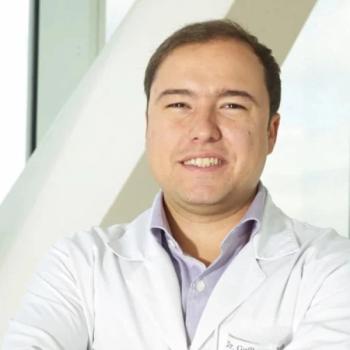
Guilherme Fleury Perini, MD, PhD, discussed KEYFORM-008 findings on favezelimab/pembrolizumab vs chemotherapy in PD-1–refractory classic Hodgkin lymphoma.
Advertisement
Advertisement
Trending on CancerNetwork
1
Neoadjuvant Radiation May Improve Tolerability in Cholangiocarcinoma
2
Distal Extrahepatic Cholangiocarcinoma May Gain From Neoadjuvant Radiation
3
Hydrogel Spacer Receives FDA 510(k) Clearance for Prostate Cancer Radiotherapy
4
How Oncologists Can Navigate Patient Requests for Medical Aid in Dying
5