
Atezolizumab and bevacizumab yielded a median OS of 14.0 months vs 14.6 months with tremelimumab followed by durvalumab, a retrospective cohort study found.
Atezolizumab and bevacizumab yielded a median OS of 14.0 months vs 14.6 months with tremelimumab followed by durvalumab, a retrospective cohort study found.

Tucatinib plus trastuzumab was well tolerated in patients with metastatic breast cancer and consistent with the combination’s established safety profile.

Results from a phase 2 trial revealed serplulimab plus HLX04 elicited promising antitumor activity in patients with advanced hepatocellular carcinoma.
Anant Madabhushi, PhD, stated that MarginCall, a surgery tool he is developing can improve patient outcomes in breast and ovarian cancer surgeries.

Full results from the phase 1/2 REZILIENT1 trial evaluating zipalertinib in NSCLC will be shared at a future medical conference.

TRAQinform IQ provides spatial and temporal information for each lesion from serial PET/CT scans, helping to inform the next steps for cancer treatment.

Phase 3 data show that ITM-11 produced favorable safety results among patients with gastroenteropancreatic neuroendocrine tumors.
Having extramedullary disease correlated with worse PFS and OS among patients who received belantamab mafodotin for relapsed/refractory multiple myeloma.
The FIBI technology, created by Farzad Fereidouni, PhD, when combined with AI eliminates the need for frozen sections and other labor-intensive oncology surgery practices.

The phase 3 INAVO120 trial reported statistically significant OS results in patients with PIK3CA-mutant, locally advanced or metastatic breast cancer.

A phase 2 trial found T-DM1 to be a tolerable treatment option for patients with HER2-positive biliary tract adenocarcinoma.
Additional progression-free survival data from the phase 3 BREAKWATER trial will be presented at future meetings.
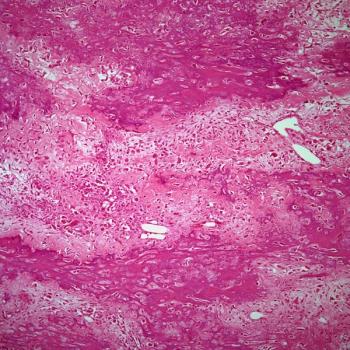
The phase 3 INVINCIBLE-3 trial is evaluating INT230-6 vs standard of care in locally recurrent, inoperable, or metastatic soft tissue sarcoma.
Regardless of disease burden or disease progression speed on front-line therapy, trastuzumab deruxtecan appears effective in HER2-low breast cancer.
Researchers from the University of Wisconsin, Cornell, and a consortium of other institutions conducted a retrospective analysis on CD19-directed CAR T-cell therapy for R/R T-cell/histiocyte-rich LBCL.
Researchers from Bambino Gesù Children’s Hospital and Sapienza University in Rome, Italy examined the recovery and function of MAIT cells in pediatric and young adult patients following allo-HSCT.

Postoperative pulmonary complications were reduced with enhanced recovery after surgery vs control in elderly patients with non–small cell lung cancer.

Results from the DESTINY-Breast06 trial led to the approval of T-DXd for patients with unresectable or metastatic HER2-low or HER2-ultralow breast cancer.
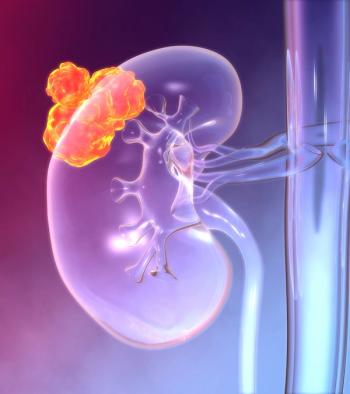
Data from the phase 2 LITESPARK-015 trial support the sNDA for belzutifan in patients with pheochromocytoma or paraganglioma.

The major pathologic response rate improved with extended time to surgery using botensilimab plus balstilimab in resectable colorectal cancer.

At a longer follow-up, adagrasib with cetuximab maintained meaningful efficacy and elicited an ORR of 34%, results from the phase 1/2 KRYSTAL-1 showed.

The imaging agent led to changes in intended treatment plans for 48% of patients with prostate cancer and biochemical recurrence after definitive therapy.

Phase 2 data may support fruquintinib plus TAS-102 as an alternative third-line treatment in patients with metastatic colorectal cancer.

Pembrolizumab plus lenvatinib showed a safety profile consistent with previous reports evaluating the combination.

A phase 2 trial revealed survival with ramucirumab plus somatostatin was consistent with other VEGF pathways in treating advanced neuroendocrine tumors.

Patients with esophageal cancer who received palliative care consultations during end-of-life treatment experienced a decreased financial burden compared with patients who did not.

Shwetal Mehta, PhD, emphasizes her institution’s patient-focused and scientifically rigorous philosophy when developing new therapies in brain cancer.

The ALASCCA trial found that the risk of disease recurrence was reduced by 51% for patients with PIK3CA-mutated colorectal cancer who took aspirin for 3 years.

A phase 2 study evaluated the efficacy of balstilimab and botensilimab in patients with MSS metastatic mCRC without liver metastases.

The BREAKWATER trial found that encorafenib and cetuximab with mFOLFOX6 chemotherapy generated an ORR of 60.9% in BRAF V600E–mutated metastatic colorectal cancer.