
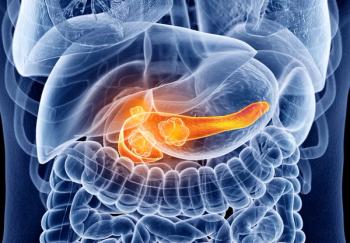
Higher social vulnerability index was independently associated with lower odds of meeting at least one quality criterion in treatment for PDAC.
Higher social vulnerability index was independently associated with lower odds of meeting at least one quality criterion in treatment for PDAC.


The addition of chemotherapy to radiotherapy did not show significant improvements in OS when compared with radiotherapy alone in patients with intermediate-risk cervical cancer.

A paucity of prospective, well-vetted data to guide therapy in patients with rare lymphomas may result in a reliance on expert consensus guidelines.

Although the overall incidence of colorectal adenocarcinoma is decreasing, the reduction is primarily associated with patients 55 years or older.

Results from the KEYNOTE-921 trial demonstrated that pembrolizumab with docetaxel did not elicit efficacy improvements vs placebo with docetaxel in prostate cancer.

Artificial intelligence may mitigate overdiagnosis and unnecessary treatments in cancer care by integrating with precision medicine.

Testing a patient’s genetics may influence decisions such as using longer courses of radiotherapy, says Rachit Kumar, MD.

Neil M. Iyengar, MD, discussed the most prevalent discussions and exciting updates from the 2025 Miami Breast Cancer Conference.

Robot-assisted minimally invasive esophagectomies with anastomotic technique were completed without complications or mortality in a majority of patients.

The safety profile for tarlatamab was consistent with its known profile in patients with relapsed small cell lung cancer.

Phase 3 CROWN trial findings suggest that patients with ALK-positive NSCLC may maintain efficacy even after reducing lorlatinib dosing to mitigate AEs.

Multidisciplinary collaboration may help in minimizing the treatment burden among patients with prostate cancer, according to Curtiland Deville Jr, MD.

Subgroup data from the IMROZ trial showed Isa-VRd improved survival and responses vs VRd alone in patients who were frail with newly diagnosed myeloma.

Multidisciplinary education on toxicities such as CRS and ICANS improves the safety and management of bispecific T-cell engager therapies in outpatient settings.
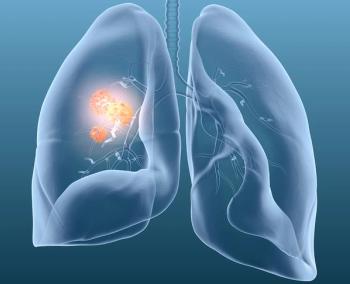
A disease-free survival and minimal residual disease event-free status was maintained for most patients with adjuvant osimertinib for EGFR-mutant NSCLC.

Spatial transcriptomics and multiplex immunohistochemistry from samples may elucidate outcomes for patients who undergo surgical care for cancer.

Post hoc analysis of the NAPOLI 3 trial suggests that proactively managing NALIRIFOX-induced diarrhea could allow patients with PDAC to remain on treatment longer.

Race, education, and arm pain were found to influence acupuncture expectancy in patients who are survivors of breast cancer.
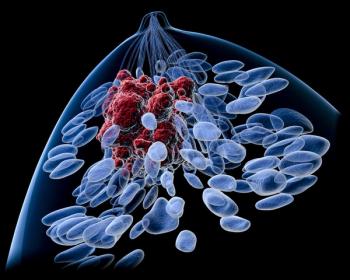
Identifying biologic mechanisms driving symptoms may be necessary to develop therapies that reduce symptom burden for patients with breast cancer.
An objective assessment tool like the ICE Score may standardize grading of neurotoxicity associated with newer bispecific antibodies in hematologic cancer.

The developer will conduct a US feasibility test to evaluate the safety and efficacy of the SIRA RFA Electrosurgical Device in patients who require breast-conservation surgery.

Results from the phase 3 CheckMate 9DW trial of nivolumab/ipilimumab vs lenvatinib or sorafenib led to the approval for patients with unresectable or metastatic HCC.

The Integrated Palliative Care Outcome Scale showed the potential to guide palliative care integration to better help patients and clinicians after AHSCT.
Future work may focus on optimizing symptom management associated with percutaneous transesophageal gastrostomy placement in malignant bowel obstructions.

“Psycho-oncology has made remarkable progress; however, there are still critical areas for further development,” Cristiane D. Bergerot, PhD, BS, MS, said.