

CancerNetwork® sat down with Robert A. Figlin, MD, at the 2021 ASCO Annual Meeting to discuss the results of the KEYNOTE-564 trial with adjuvant pembrolizumab in patients with resected clear cell renal cell carcinoma.
CancerNetwork® sat down with Robert A. Figlin, MD, at the 2021 ASCO Annual Meeting to discuss the results of the KEYNOTE-564 trial with adjuvant pembrolizumab in patients with resected clear cell renal cell carcinoma.

Individuals with an early-onset colorectal cancer diagnosis had a survival benefit versus those at later ages, especially for patients younger than 50 years old.

Merck’s press release announced positive data from the KEYNOTE-826 trial investigating pembrolizumab plus chemotherapy with or without bevacizumab for patients with cervical cancer.
Usmani discussed the common adverse events observed from CARTITUDE-1, including hematologic events and cytokine release syndrome.
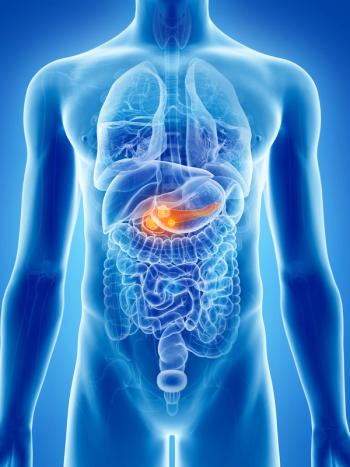
CancerNetwork® dissects an article from the journal ONCOLOGY® focusing on academic and community molecular profiling practices for patients with pancreatic adenocarcinoma.

All patients with chronic lymphocytic leukemia who were treated with zanubrutinib in the relapsed/refractory setting showed impressive responses.
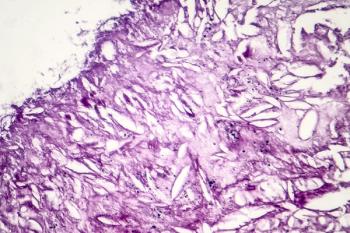
Targovax announced the FDA granted fast track designation to its investigational agent ONCOS-102 for PD-1–refractory advanced melanoma.

Bayer seeks FDA approval for its agent copanlisib in combination with rituximab for the treatment of patients with indolent non-Hodgkin lymphoma.
At the 2021 ASCO Annual Meeting, Stephen Liu, MD, discussed the important of findings from the ARROW trial of pralsetinib in patients with RET-altered non–small cell lung cancer.

During the 2021 ASCO Annual Meeting, Suresh S. Ramalingam, MD, looked forward to how trials regarding adjuvant therapy for early-stage non–small cell lung cancer are poised to change the treatment paradigm in this setting.

Here are some of the important updates from last week you might have missed, including data from the 2021 ASCO Annual Meeting.

Differences in frequency of germline pathogenic variants were not seen in patient subsets by ethnicity when comparing 12 genes linked with breast cancer.
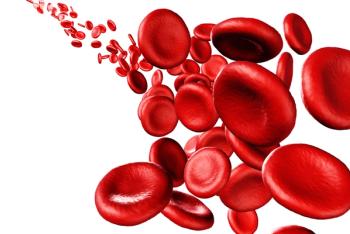
Data presented from the phase 3 SIMPLIFY 1 and SIMPLIFY 2 trials at 2021 EHA indicate success of momelotinib in extending overall survival in patients with myelofibrosis who achieve transfusion independence.
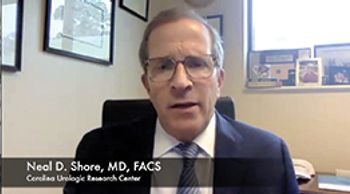
Neal D. Shore, MD, FACS, discusses the importance of multidisciplinary care for patients with advanced prostate cancer.

Petros Grivas, MD, PhD, regarding updates in genitourinary oncology that were read out at the meeting.
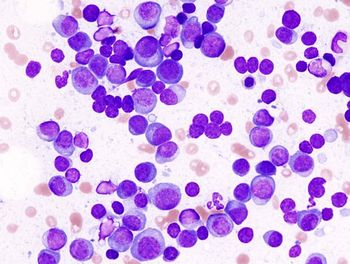
A trial of an eprenetapopt combination has met the prespecified primary efficacy end point in patients with acute myeloid leukemia harboring TP53 mutations.
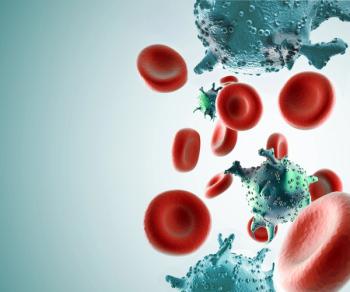
At the 18-month follow-up, the CAR T-cell therapy led to early, deep, and durable responses with a manageable safety profile in patients with relapsed/refractory multiple myeloma.

This special edition of the “Oncology Peer Review On-The-Go” podcast details treatment options and considerations for relapsed/refractory follicular lymphoma.
An expert emphasizes how a big team is needed to properly employ the different therapeutic modalities needed to treat patients with ovarian granulosa cell tumors.
The new data may put to rest concerns that adding perioperative systemic therapy might worsen outcomes in patients slated for cytoreductive surgery and hyperthermic intraperitoneal chemotherapy.

Results of the phase 1 portion of ZUMA-4 support continued investigation into the efficacy of KTE-X19 in pediatric patients with B-cell acute lymphoblastic leukemia.
Petros Grivas, MD, PhD, discusses the impact of avelumab on patients with advanced urothelial carcinoma in the first-line maintenance setting.

The anti–PD-1 antibody is being assessed as therapy for patients with recurrent or metastatic cervical cancer after positive results indicate improved responses with the monotherapy.

Radioligand therapy 177Lu-PSMA-617 receives breakthrough designation from the FDA based on better overall survival outcomes in patients with metastatic castration-resistant prostate cancer.

Patients who received breast-conserving surgery followed by radiotherapy demonstrated superior outcomes compared with patients who received mastectomy, regardless of radiotherapy status.
Motzer discussed time to deterioration end points for patients with advanced renal cell carcinoma treated with pembrolizumab and lenvatinib in the first-line setting.

Avapritinib is now fully approved to treated advanced systemic mastocytosis, according to phase 1 and phase 2 clinical trial data.
Usmani noted the strong overall response and stringent complete response rates observed with ciltacabtagene autoleucel for multiple myeloma at a median follow-up of 18 months.
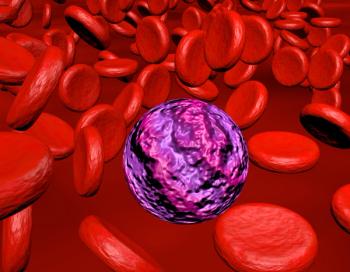
Real-world data regarding the use of tisagenlecleucel and axicabtagene ciloleucel CAR T-cell therapy are reported at 2021 EHA.

Patients who had resection within 12 weeks of diagnosis of stage I NSCLC were found to have lower rates of recurrence.