
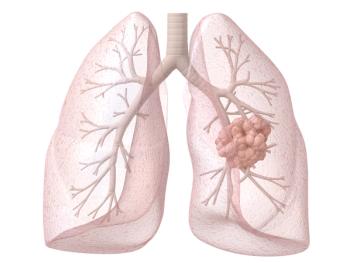
Data from the phase 3 DeLLphi-305 trial also showed meaningful improvements in progression-free survival and responses with durvalumab/tarlatamab in SCLC.
Data from the phase 3 DeLLphi-305 trial also showed meaningful improvements in progression-free survival and responses with durvalumab/tarlatamab in SCLC.
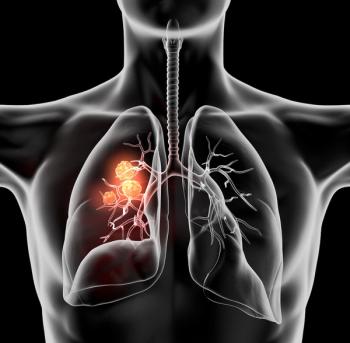
In a phase 1/2 study, daraxonrasib produced objective responses in more than 30% of patients with previously treated RAS-mutant NSCLC.

Interim phase 2 data show INBRX-106 plus pembrolizumab nearly doubled response rates and extended survival vs pembrolizumab alone in head and neck cancer.

Lisa Cassileth, MD, FACS, spoke about how mastectomy flap necrosis can delay systemic therapy and radiation, and what teams can do.
The FDA withdrew accelerated approval for adagrasib/cetuximab in KRAS G12C-mutated colorectal cancer after the KRYSTAL-10 trial failed to improve survival.

Herbert Lepor, MD, discussed NYU Langone's 1,000th focal cryotherapy procedure, Andre De Shields' case, and why prostate cancer treatment is at a turning point.
A GDNS protocol did not significantly reduce loss of ASMI compared with usual care during chemoradiotherapy following esophagectomy in esophageal cancer.

The phase 3 TAK-226-3001 trial will evaluate elritercept vs epoetin alfa for anemia in lower-risk myelodysplastic syndromes.
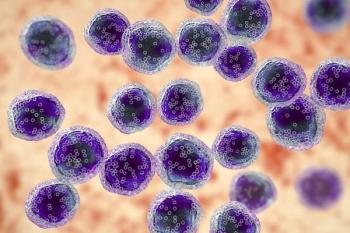
Data from the phase 2 PARADIGM trial may support the use of less toxic, more gentle therapies for patients with acute myeloid leukemia.
Lisa Cassileth, MD, FACS, discussed how BMI and mastectomy flap quality drive MSFN risk more than implant-specimen size difference.

Global Burden of Disease data showed alcohol-attributable cancer deaths in the US doubled from 1990 to 2023, with liver cancer showing the steepest rise.

Lisa Cassileth, MD, FACS, explained her initial interpretation of lower mastectomy flap necrosis rates in an upsized implant group.

Sandra Turner, MBBS, PhD, shared ideas for radiation oncology teams to engage locally with World Radiotherapy Awareness Day.
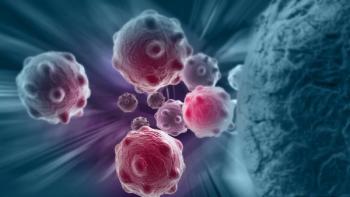
Ruben Mesa, MD, discusses the FDA approval of ropeginterferon alfa-2b-njft, the first new essential thrombocythemia therapy in nearly 30 years.

The FDA’s decision on iberdomide is a “landmark approval” for those with multiple myeloma, according to Surbhi Sidana, MD.
Lisa Cassileth, MD, FACS, discussed why she investigated whether upsizing breast implants increased mastectomy flap necrosis risk.
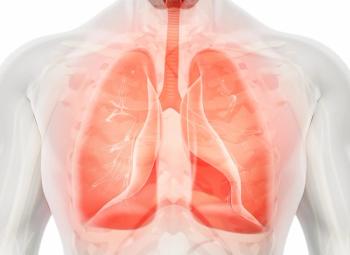
Data from a real-world cohort showed that LEMS was diagnosed more frequently by neurologists than by oncologists.
Partnering with subspecialities like ophthalmology and dermatology may be critical for nurse practitioners in lung cancer, according to Beth Sandy, CRNP.
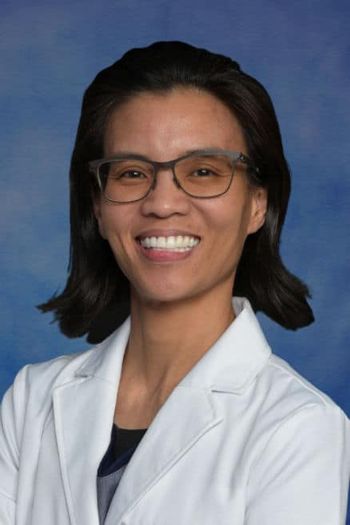
“Far and away, a unified electronic health record is the single use case that could benefit both patients and physicians most, and AI has the potential to help us achieve that,” said Margarita Racsa, MD, MPH.

FDA approved camizestrant for HR+/HER2– advanced breast cancer with emerging ESR1 mutations based on data from the SERENA-6 trial.
Nevine Hanna, MD, MPH, FACRO, DABR, detailed how AI auto-contouring and adaptive planning improve efficiency and organ-at-risk sparing in radiation therapy.

Sandra Turner, MBBS, PhD, outlined the global radiotherapy access gap stretching from Australia to Sub-Saharan Africa.
Full results from the phase 3 CERVINO trial assessing etentamig in relapsed/refractory multiple myeloma will be shared at the 23rd IMS Annual Meeting.
How do we implement AI in a way that serves patients? Expert radiation oncologists discuss the crucial question.

Experts in breast cancer discussed final CAPItello-291 overall survival data and their implications for capivasertib plus fulvestrant.
Ropeginterferon alfa may play an important role in future combination strategies in essential thrombocythemia, said Ruben Mesa, MD, FACP.

Beth Sandy, CRNP, said she would like to see more data on management strategies for blepharitis, eye toxicities, and mucositis in patients with lung cancer.
Nevine Hanna, MD, MPH, FACRO, DABR, explained how AI can aggregate patient data to enhance multidisciplinary tumor board collaboration.
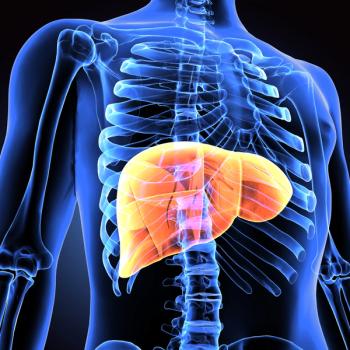
Blinded survival data from the phase 3 LIVERATION trial of namodenoson in advanced hepatocellular carcinoma appear longer than anticipated.
Matthew Matasar, MD, reflected on how quickly oncology has moved from skepticism to nimble adoption of AI, and what he expects from the field going forward.