

Adults with previously treated unresectable or metastatic non–small cell lung cancer whose tumors harbor HER2 mutations may now be treated with fam-trastuzumab deruxtecan-nxki.

Your AI-Trained Oncology Knowledge Connection!
Adults with previously treated unresectable or metastatic non–small cell lung cancer whose tumors harbor HER2 mutations may now be treated with fam-trastuzumab deruxtecan-nxki.
At 2022 ASCO, Tanios S. Bekaii-Saab, MD, talks about how data from the ongoing MOUNTAINEER trial investigating trastuzumab plus tucatinib in HER2-positive metastatic colorectal cancer and other similar trials may impact the standard of care going forward.
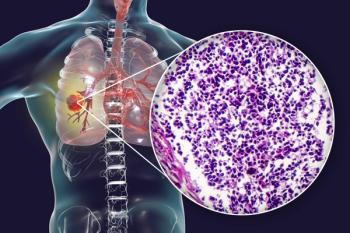
Results from cohort C of the phase 2 VISION trial showed continued efficacy when tepotinib was given to patients with non–small cell lung cancer harboring MET exon 14 skipping alterations.

Elacestrant was granted priority review by the FDA for the treatment of estrogen receptor–positive, HER2-negative metastatic breast cancer.
Rafael Fonseca, MD, discusses use of elranatamab in patients with relapsed/refractory multiple myeloma and ongoing research into bispecific antibodies.
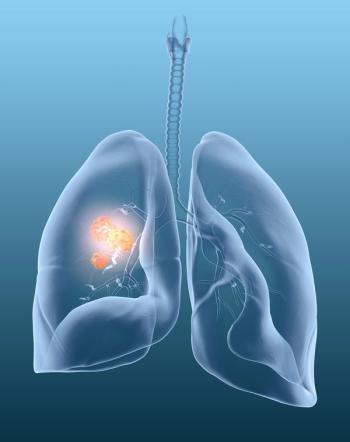
Experts indicated that 77% of women with lung cancer who were surveyed reported having moderate to severe sexual dysfunction.
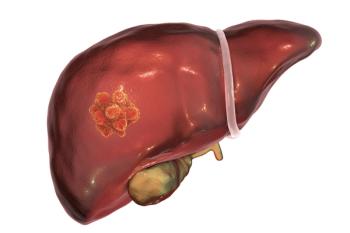
The phase 3 RATIONALE 301 trial examining first-line tislelizumab vs sorafenib in unresectable hepatocellular carcinoma met the primary end point of noninferior overall survival.

Patients with advanced PD-L1–positive non–small cell lung cancer and squamous histology who were treated with sitravatinib plus tiselizumab had promising antitumor activity.
Paul G. Richardson, MD, looks at MRD data from the DETERMINATION study for its potential to guide treatment selection in newly diagnosed multiple myeloma.

Juan Pablo Alderuccio, MD, spoke with CancerNetwork® about a review article on the treatment of marginal zone lymphoma published in the journal ONCOLOGY®.

TROPION-Lung02 trial provides evidence of datopotamab deruxtecan and pembrolizumab efficacy in patients with advanced/metastatic non–small cell lung cancer and no actionable genomic alterations.

Overall survival, the primary end point of the phase 3 FRESCO-2 trial, was met when patients were given fruquintinib vs placebo for advanced refractory metastatic colorectal cancer.

Durvalumab plus tremelimumab in the first-line setting yielded improved overall survival vs chemotherapy in patients with metastatic non–small cell lung cancer.

At the 2022 WCLC, Brandon Sheffield, MD, presented data demonstrating the advantage of next-generation sequencing over other biomarker testing strategies in patients with non–small cell lung cancer.
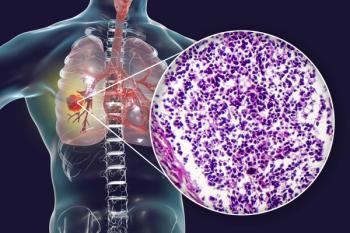
After approximately 3.5 years of follow-up, patients with treatment-naive extensive-stage small cell lung cancer continued to derive survival benefit from pembrolizumab and etoposide.

Patients with metastatic nonsquamous cell non–small cell lung cancer who harbor STK11, KEAP1, and KRAS mutations experienced a survival benefit following treatment with tremelimumab plus durvalumab and chemotherapy in the first line.
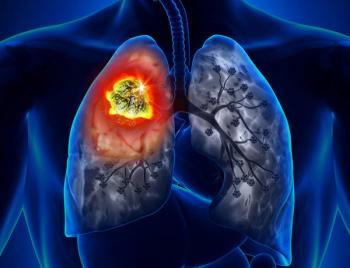
Data from the phase 2 UCLA/TRIO-US L-07 trial presented at 2022 WCLC revealed that efficacy with talazoparib plus temozolomide improves upon historical controls in patients with extensive-stage small cell lung cancer.
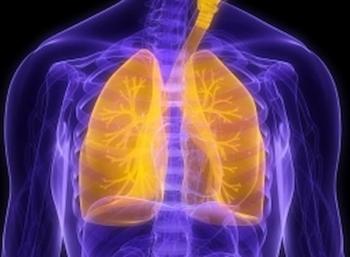
Response rates with temozolomide plus nivolumab in extensive-stage small cell lung cancer show promise.
EGFR C797X mutations identified as leading cause of acquired resistance to osimertinib, according to real-world data from 2022 WCLC.

According to data from the phase 1 CHRYSALIS-2 trial that were presented at 2022 WCLC, a combination containing amivantamab, lazertinib, and chemotherapy was effective in patients with pretreated non–small cell lung cancer harboring EGFR mutations.
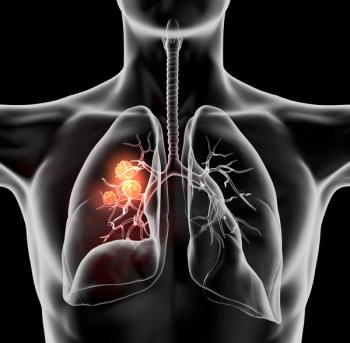
The phase 3 POSEIDON trial showed superior overall survival in patients with PD-L1–negative metastatic non–small cell lung cancer who were given durvalumab and chemotherapy plus tremelimumab.
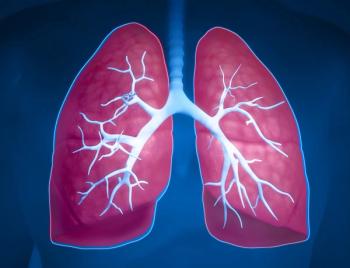
The novel KRAS G12C inhibitor GDC-6036 induced a high response rate in patients with previously treated KRAS G12C mutation–positive non–small cell lung cancer.
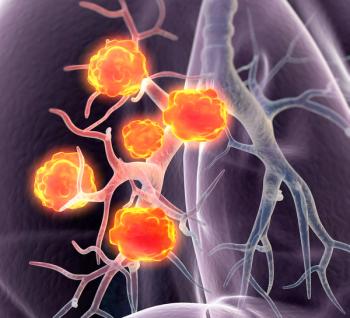
Data from the phase 2 NADIM II trial appear to reinforce the superiority of nivolumab and chemotherapy vs chemotherapy alone after the regimen significantly improved overall survival progression-free survival, and pathologic complete response in patients with stage IIIA/B non–small cell lung cancer, according to investigators.

Data indicate that atezolizumab may achieve overall survival benefit compared with best supportive care in resected non–small cell lung cancer.

Following data presented from the phase 1/2 CodeBreak 100 and CodeBreak 101 trials, a regimen consisting of sotorasib with a safety lead-in followed by concurrent pembrolizumab will be further explored in patients with KRAS G12C–mutant non–small cell lung cancer.
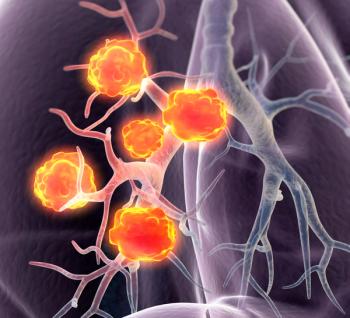
Patients with treatment-naïve metastatic non–small cell lung cancer who received either sintilimab or pembrolizumab monotherapy, or either agent combined with chemotherapy, experienced comparable outcomes.

Four subgroups of patients with MET exon 14 skipping non–small cell lung cancer demonstrated unique signaling pathways and significant differentially-expressed genes.
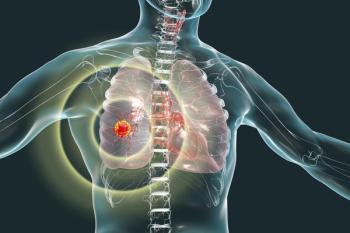
Patients with stage III unresectable non–small cell lung cancer experienced a sustained progression-free survival benefit following treatment with consolidation sugemalimab.

Findings from the phase 2 NADIM trial reinforced the rationale for using neoadjuvant chemoimmunotherapy to treat patients with stage IIIA resectable non–small cell lung cancer based on differences between pathologic complete responders and non–pathologic complete responders

The phase 2 Neo-KAN study aims to determine if improved pathologic complete response rates with adagrasib alone or combined with immunotherapy for the neoadjuvant treatment of KRAS G12C–mutated non–small cell lung cancer are possible.