
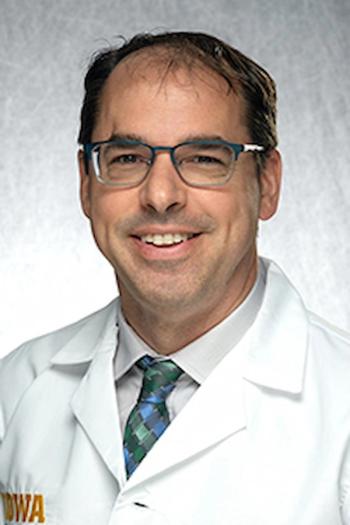
Mark Burkard, MD, PhD, discussed genomic gaps, extreme survivors of metastatic breast cancer, and how minimal residual disease testing may refine care.
Mark Burkard, MD, PhD, discussed genomic gaps, extreme survivors of metastatic breast cancer, and how minimal residual disease testing may refine care.
Dwight H. Owen, MBBCh, MS, discussed why severe immune-related toxicities remain hard to predict as immunotherapy combinations expand in lung cancer.
Mingjia Li, MD, discussed the limitations of current biomarkers in selecting patients with resectable NSCLC for neoadjuvant chemoimmunotherapy.
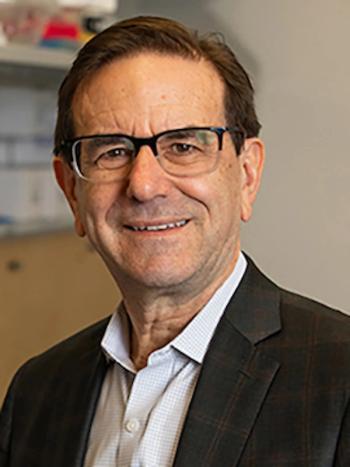
Jan Kitajewski, PhD, discusses how an ancestry-linked blood type may influence triple-negative breast cancer outcomes and clinical trial eligibility.
Jan Kitajewski, PhD, explains how Notch inhibitors may sustain specialized tumor blood vessels that deliver immune cells and boost immuno-oncology.
“If it is successful, you should be able to access this combination wherever you are,” said Natalie S. Callander, MD, of the UW Carbone Cancer Center.
"As we combine more treatments…they have overlapping toxicities, and they may have the ability to synergize in a negative way," said Dwight H. Owen, MBBCh, MS.
At Big Ten CRC, Patricia A. Robinson, MD, discussed institutional and cooperative group strategies that have improved representation in oncology clinical trials.
At the Big Ten CRC Summit, VK Gadi, MD, PhD, explained why functional drug testing and genomic profiling should be used together in oncology.
Translating laboratory discoveries into clinical benefit increasingly depends on combining genomic profiling with newer tools, including patient-derived functional models and artificial intelligence AI.

“The more representation, the more people we have participating in clinical trials, the more applicable the data,” said Patricia A. Robinson, MD.
Oana Danciu, MD, explained why phase 1 breast cancer trials are moving earlier in the treatment course and how disease stability guides patient selection.
“What has changed is that we are bringing the phase 1 trials earlier in the course of treatment for our patients,” said Oana Danciu, MD.
At the BIG10 CRC Summit, Mingjia Li, MD, outlined how pre-operative hemoglobin may signal treatment response in resectable NSCLC.
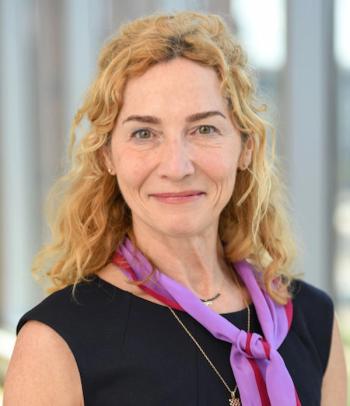
“Those of us who work with NK cells have no doubt that they are incredibly powerful at killing cancer cells,” said Veronika Bachanova, MD, PhD.
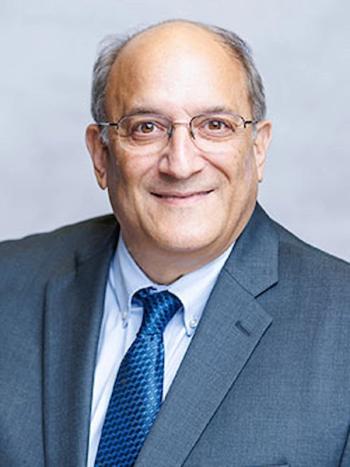
“No one should be excluded from any clinical trial,” said Paul G. Rubinstein, MD, regarding patients with HIV-associated cancers in cooperative group studies.
Veronika Bachanova, MD, PhD, discussed how the favorable safety profile of CAR natural killer cell therapies may come with trade-offs in persistence and response durability.
Jan Kitajewski, PhD, discussed how pooled expertise, pilot funding, and investigator support help move bench discoveries toward multicenter trials.
Natalie S. Callander, MD, discussed the rationale for combining selinexor, carfilzomib, subcutaneous isatuximab, and dexamethasone in relapsed/refractory myeloma.
Paul Rubinstein, MD, discussed how cooperative groups are expanding CAR T and bispecific antibody research for patients with HIV-associated lymphoma.