

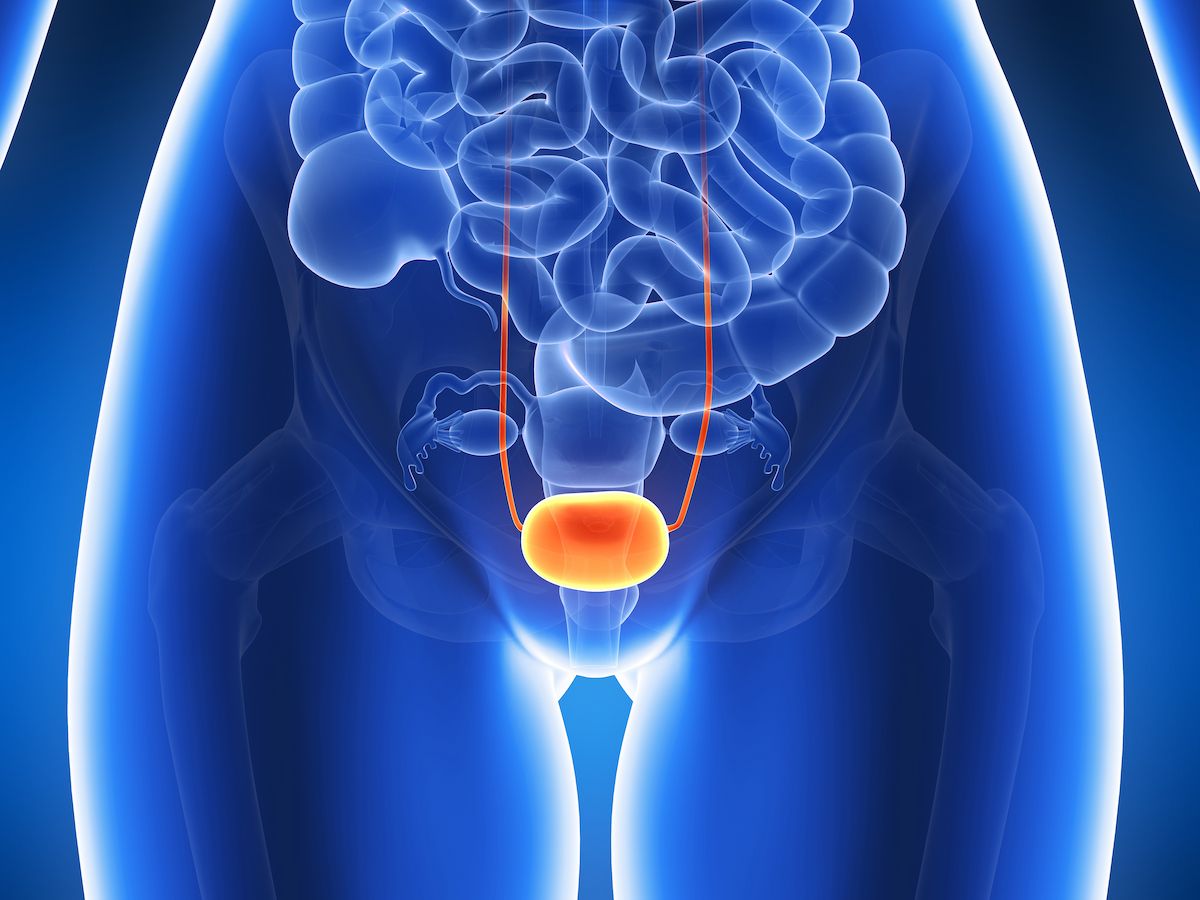



Bladder Cancer
Latest News

Treatment Strategies in Metastatic Urothelial Carcinoma With Immune Checkpoint Inhibitors and Targeted Therapies
By Kyle Doherty
Advertisement
Latest Videos
























































Advertisement
More News

Patients with checkpoint inhibitor–naïve metastatic urothelial cancer appeared to experience promising anti-tumor activity following treatment with second line sacituzumab govitecan and pembrolizumab.

Patients with previously treated metastatic urothelial carcinoma or renal cell carcinoma experienced promising benefit from treatment with niraparib and cabozantinib.
Despite missing the trial primary end point of overall survival improvement at 1 year, data for avelumab in cisplatin-ineligible, PD-L1–positive advanced urothelial cancer demonstrated superior responses and disease control rates.
Frontline avelumab plus best supportive care as maintenance showed an improvement in overall survival vs best supportive care alone in patients with advanced urothelial cancer treated after chemotherapy.

Expert panelists follow a patient case to discuss locally advanced and metastatic urothelial carcinoma with a focus on frontline and maintenance therapy.
Patients 70 years or older that received neoadjuvant chemotherapy and radical cystectomy had better overall survival than those undergoing radical cystectomy alone.
Jun Gong, MD, gives his perspective on neoadjuvant chemotherapy in elderly patients with muscle-invasive bladder cancer.

Closing their discussion on metastatic urothelial carcinoma, panelists reflect on novel agents and the future treatment paradigm.

Expert perspectives on the selection of second-line therapy after a patient has progressed on maintenance avelumab.
Focused discussion on the duration of maintenance avelumab for metastatic urothelial carcinoma and considerations for switching therapy.

A brief review of whether FGFR status in metastatic urothelial carcinoma should impact treatment approaches.

Shared insight on how best to discuss maintenance therapy with patients being treated for metastatic urothelial carcinoma.
Panelists consider whether the use of maintenance therapy is as prevalent after complete response or in patients with lesser PD-L1 expression.
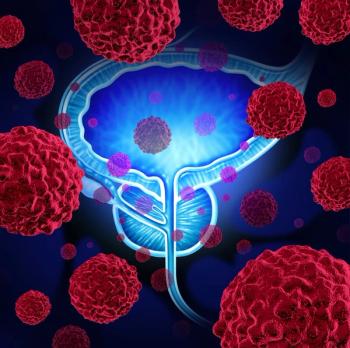
Research suggests age-standardized incidence and death rates for patients with bladder cancer decreased globally between 1990 and 2019.
Experts highlight the benefits of frontline avelumab maintenance therapy in patients with metastatic urothelial carcinoma.

Experts discuss frontline immunotherapy for metastatic urothelial carcinoma when chemotherapy may not be an option.
Shared insight on best practices in frontline maintenance therapy for metastatic urothelial carcinoma to improve patient outcomes.
Reviewing a patient case of metastatic urothelial carcinoma, experts discuss the selection of frontline and maintenance therapy.
Patients with bladder cancer reported improvements in physical and social scores following radical cystectomy, although body image and sexual functioning scores decreased.
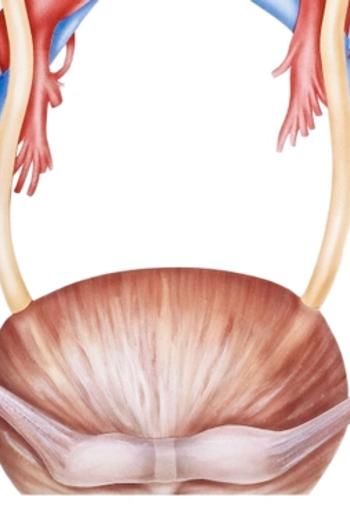
Patients with non-muscle invasive bladder cancer unresponsive to Bacillus Calmette-Guerin may benefit from treatment with CG0070 plus pembrolizumab.
Daniel P. Petrylak, MD, spoke with CancerNetwork® about the results of the TROPHY U-01 study examining sacituzumab govitecan in the treatment of patients with metastatic urothelial carcinoma following failure of platinum-based chemotherapy.
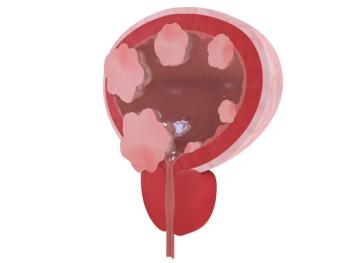
Treatment with induction UGN-101 produced durable responses in patients with low-grade upper tract urothelial carcinoma.

Induction Regimen With Avelumab/BCG Appears to be a Well-Tolerated Option for BCG-unresponsive NMIBC
Patients with BCG-unresponsive non-muscle invasive bladder cancer may benefit from treatment with avelumab and BCG induction therapy
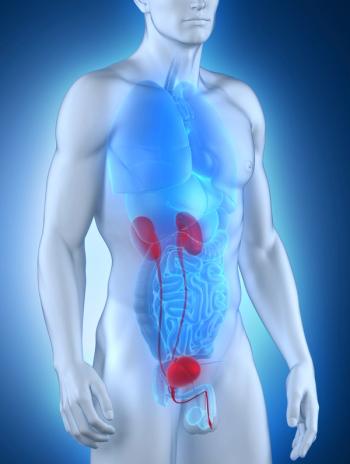
In patients with bacillus Calmette-Guérun–unresponsive non-muscle invasive bladder cancer who are being treated with nadofaragene firadenovec, elevated levels of antibody titers may be able to predict efficacy.

Patients with Bacillus Calmette-Guerin–unresponsive non-muscle invasive bladder cancer experienced a disease-free survival benefit when treated with intravesical Bacillus Calmette-Guerin and a novel IL-15 superagonist complex .
Advertisement
Advertisement
Trending on CancerNetwork
1
Intismeran Plus Pembrolizumab Reduces Recurrence Risk in Resected Melanoma
2
FDA Approves Pembrolizumab in Metastatic TMB-H Solid Tumors
3
What Pope Leo XIV’s Lung Cancer Diagnosis Could Mean for Stigma & Nihilism
4
Zipalertinib May Introduce Another Option to EGFR Exon 20+ NSCLC
5