


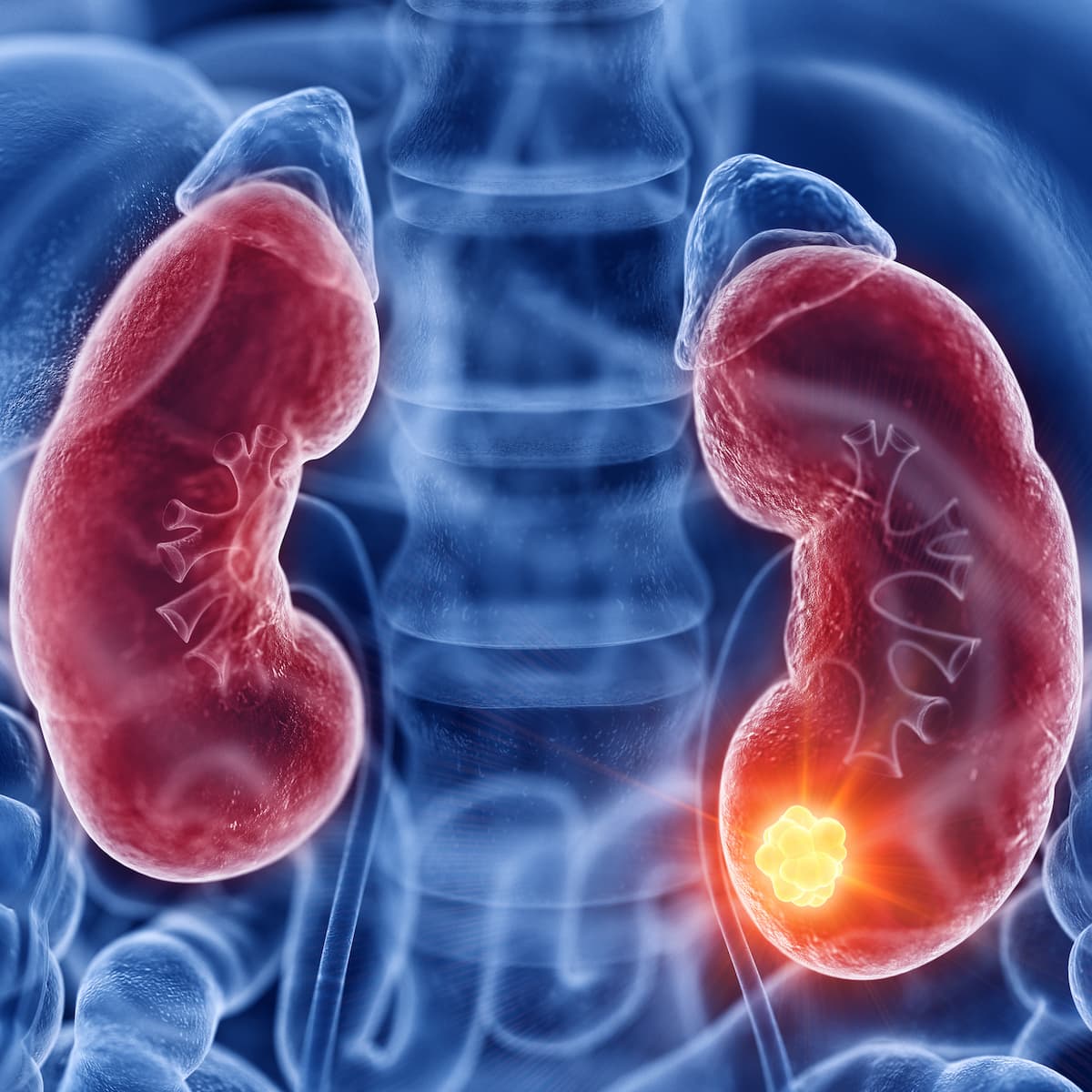

Kidney Cancer
Latest News
Advertisement
Latest Videos












































Advertisement
More News

A recent Oncology Decoded podcast focuses on adjuvant therapy like pembrolizumab and optimal post-surgical care for patients with kidney cancer.

A recent Oncology Decoded podcast focuses on adjuvant therapy like pembrolizumab and optimal post-surgical care for patients with kidney cancer.
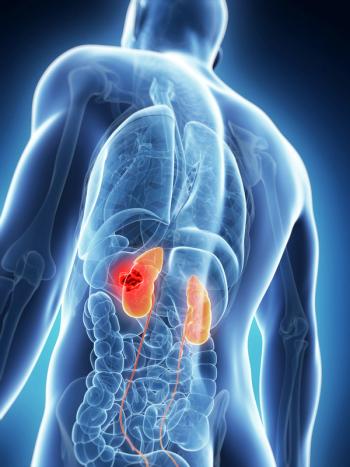
Fruquintinib plus sintilimab improved PFS, ORR, and DOR compared with axitinib or everolimus monotherapy in RCC in the phase 2/3 FRUSICA-2 trial.
A brief overview of the current RCC landscape was provided in the most recent Oncology Decoded podcast.
Data from the phase 3 ZIRCON study support the biologics license application for TLX250-CDx in clear cell renal cell carcinoma imaging.
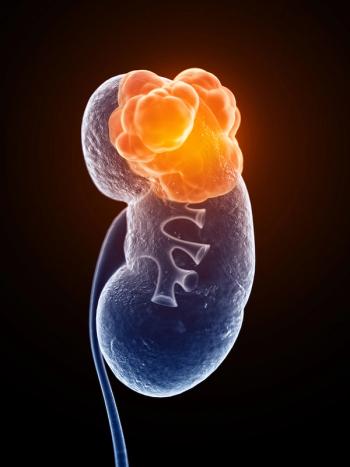
Longer progression-free survival and more enduring responses occurred with avelumab/axitinib vs sunitinib in the phase 3 JAVELIN Renal 101 trial.
Given resource scarcity, developing practice strategies for resource-constrained settings would require aid from commercial and government stakeholders.
Large international meetings may facilitate conversations regarding disparities of care outside of high-income countries.
LITESPARK-004 and LITESPARK-005 trial results support the approval of belzutifan in patients with associated localized or advanced clear cell RCC.
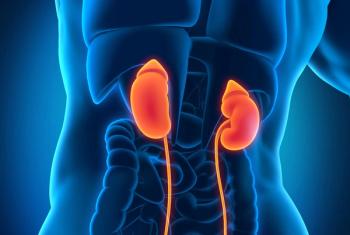
The TiNivo-2 trial found comparable PROs with tivozanib plus nivolumab vs tivozanib monotherapy in advanced clear cell RCC.
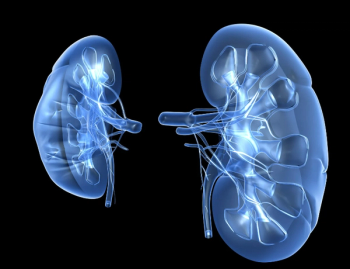
Efficacy results remained consistent with previous reports in the cabozantinib, nivolumab, and ipilimumab arm for patients with advanced renal cell carcinoma.
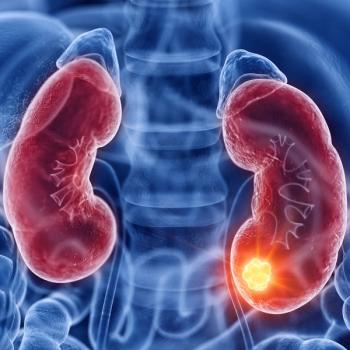
Nivolumab plus cabozantinib yielded a median PFS of 16.4 months compared with 8.3 months from sunitinib alone in the first-line treatment of patients with advanced RCC.
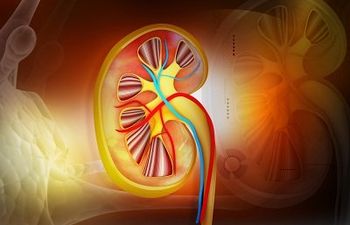
Greater responses were observed in a cohort of patients with renal cell carcinoma receiving lenvatinib plus belzutifan vs pembrolizumab plus lenvatinib.
Investigators of a phase 2 study will continue to assess long-term efficacy and quality-of-life outcomes in those who receive lenvatinib/pembrolizumab.

All 9 patients in a phase 1 trial testing a neoantigen-targeting personalized cancer vaccine in renal cell carcinoma had no recurrence at data cutoff.

Eric Jonasch, MD, believes that the Kidney Cancer Research Consortium may broaden their reach to provide care to many different groups of patients.

Observing changes in the tumor microenvironment before and after a biopsy may elucidate how kidney cancer cells interact with immune cells.
Various kidney cancer trials have combined agents such as A2a receptor inhibitors with immunotherapy backbones to potentially improve treatment outcomes.
Leveraging novel agents, innovative clinical trial designs, and correlative studies may improve the treatment of patients with kidney cancer.
Safety data from the phase 2 LITESPARK-003 trial evaluating belzutifan/cabozantinib in renal cell carcinoma show no treatment-related deaths.
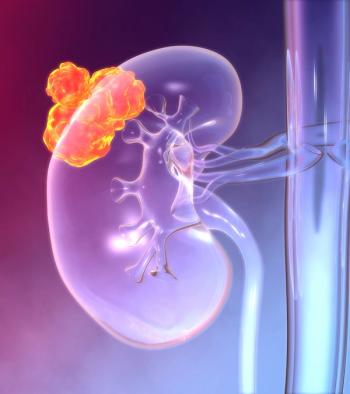
TLX250-CDx elicited a mean sensitivity of 85.5% and a mean specificity of 87.0% in patients with indeterminate renal masses in the phase 3 ZIRCON trial.
The program was brought together to discuss immunotherapy options for non–clear cell RCC in light of emerging clinical trial data and NCCN guidelines.

An “avalanche of funding” has propelled the kidney cancer field forward, says Jason Muhitch, PhD.

Kidney cancer advocacy efforts have spread the urgency and importance of funding research in the field to members of Congress.
Advocacy efforts have yielded a dramatic increase in kidney cancer research, according to Elizabeth P. Henske, MD.
Advertisement
Advertisement
Trending on CancerNetwork
1
Signatera ctDNA Test Shows Superior MRD Assessment in Lymphoma
2
Managing Diarrhea and Nutrition on First-Line EGFR Therapy
3
How Is AI Shaping Patient-Centered, Multidisciplinary Oncology Care?
4
Preparing Patients for Bispecific-Antibody Based First-Line Therapy
5