





























































Early-phase data indicate that loncastuximab tesirine-lpyl elicited promising, long-lasting responses in patients with mantle cell lymphoma.
Early-phase data indicate that loncastuximab tesirine-lpyl elicited promising, long-lasting responses in patients with mantle cell lymphoma.

Javier L. Munoz, MD, MS, FACP, discusses how the sequencing of therapies has changed in the last year.
Tazemetostat use only requires dosing modifications in a small percentage of patients, according to an oncology pharmacist.
Adverse effects in patients taking tazemetostat were manageable, with most patients reporting low-grade fatigue, pain, and nausea.
An expert in relapsed/refractory follicular lymphoma discusses the approval of tazemetostat as a treatment and reviews the phase 2 clinical trial data.
Javier L. Munoz, MD, MS, FACP, describes the current third-line treatment options available for relapsed/refractory follicular lymphoma.
An oncology pharmacist details the unique mechanism of active of tazemetostat in the treatment of follicular lymphoma.
A specialist explains the factors considered when it comes to choosing treatments for patients with relapsed/refractory follicular lymphoma, and the clinical endpoints to look for.
Javier L. Munoz, MD, MS, FACP, describes the effects of R/R FL and discusses the current treatment options available.
The FDA granted orelabrutinib breakthrough therapy designation for the treatment of relapsed or refractory mantle cell lymphoma.

Patients in the ZUMA-7 trial who were assigned Yescarta (axicabtagene ciloleucel) saw event-free survival by 60% compared to patients who were on a chemotherapy plus stem cell regimen.

For the “Oncology Peer Review On-The-Go” podcast, CancerNetwork® sat down with Gilles Salles, MD, to discuss different treatment regimens for transplant-ineligible DLBCL in this special edition episode.

Adult patients with mantle cell lymphoma are not regularly receiving treatment recommended by clinical trial results, according to a real-world study.
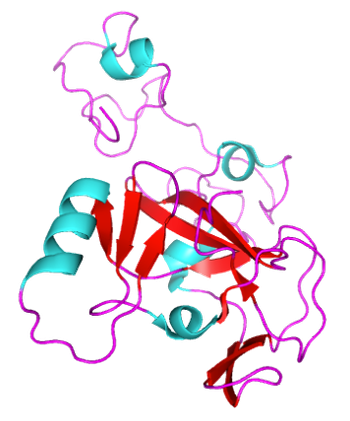
Kelly Valla, PharmD, BCOP, reviews the product profile of tazemetostat for the treatment of follicular lymphoma.

Bayer seeks FDA approval for its agent copanlisib in combination with rituximab for the treatment of patients with indolent non-Hodgkin lymphoma.

A nulliparous woman, age 25 years, had received a diagnosis of non-Hodgkin lymphoma and now presented with stage IIA diffuse large B-cell lymphoma. Due to potential risks of chemotherapy-induced gonadotoxicity and subsequent iatrogenic premature ovarian failure and fertility loss, the patient was referred to the reproductive medicine department for fertility preservation counseling and further management.

This special edition of the “Oncology Peer Review On-The-Go” podcast details treatment options and considerations for relapsed/refractory follicular lymphoma.
Real-world data regarding the use of tisagenlecleucel and axicabtagene ciloleucel CAR T-cell therapy are reported at 2021 EHA.
CAR T-cell therapy with axicabtagene ciloleucel (axi-cel; Yescarta) showed promise in patients with high-risk relapsed/refractory indolent non-Hodgkin lymphoma.

Real-world evidence evaluating the efficacy of rituximab maintenance following frontline BR or R-CHOP supports its use in mantle cell lymphoma.

Treatment with axicabtagene ciloleucel resulted in improved survival and tumor responses in patients with relapsed/refractory follicular lymphoma versus other available therapies.
Clinical activity with the combination of naratuximab emtansine plus rituximab was observed in patients with relapsed or refractory diffuse large B-cell lymphoma.
The addition of lenalidomide to rituximab continued to improve survival outcomes with durable responses among patients with indolent B-cell non-Hodgkin lymphomas and mantle cell lymphomas.
Phase 1 data presented at 2021 EHA indicate that a high rate of response was associated with zandelisib plus zanubrutinib therapy in patients with relapsed/refractory B-cell malignancies and chronic lymphocytic leukemia.

The CAR T-cell therapy lisocabtagene maraleucel resulted in better efficacy versus standard of care with no new safety signals.