


Lymphoma
Latest News
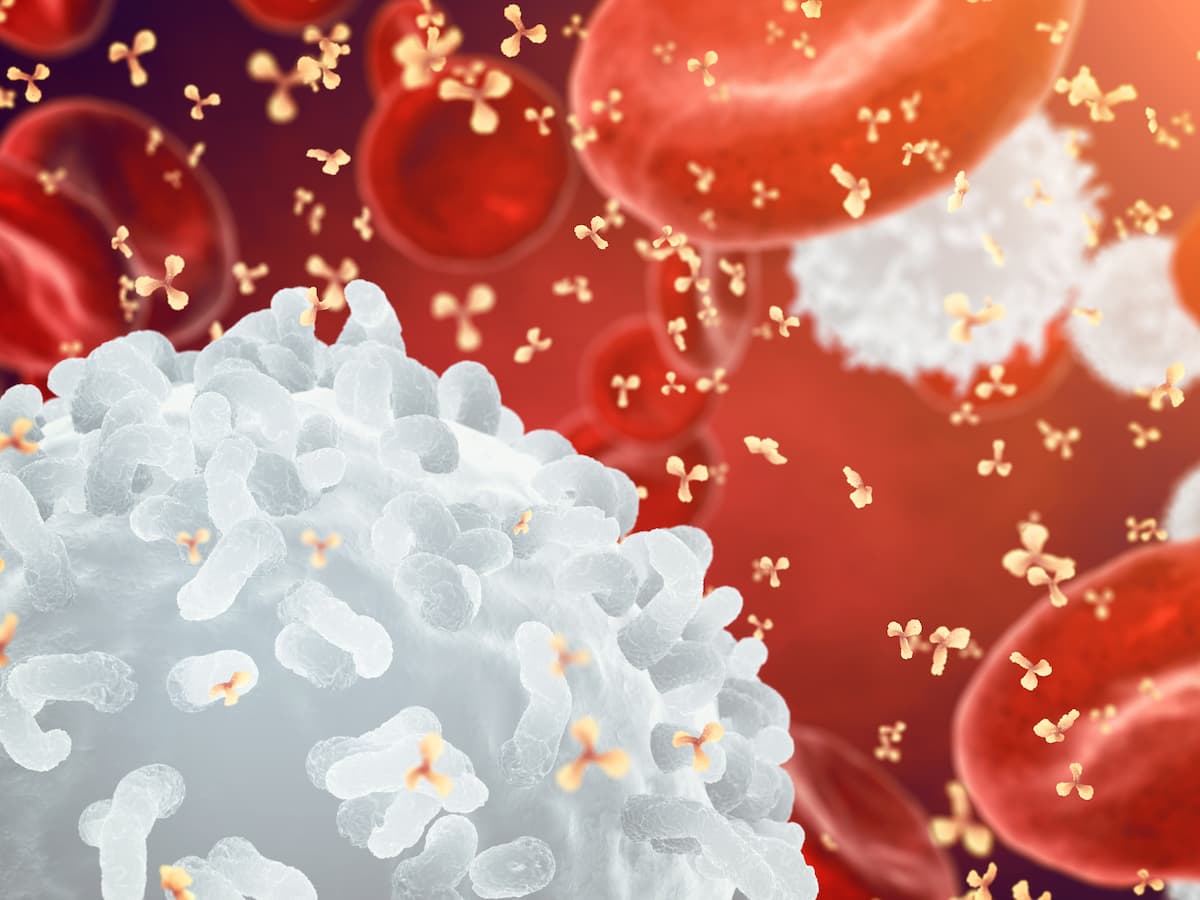

Relapsed Extranodal Natural Killer/T-cell Lymphoma May Benefit From Sugemalimab Therapy
By Silas Inman
Advertisement
Latest Videos































































Advertisement
More News
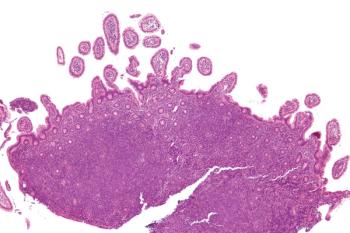
Treatment with brexucabtagene autoleucel appears to be a cost-effective treatment for patients with relapsed/refractory mantle cell lymphoma following treatment with a Bruton tyrosine kinase inhibitor.
Sunita D. Nasta, MD, gives her perspective on emerging treatments for peripheral T-cell lymphomas.
This review article written by Robert Stuver, MD, et al, reviews current and available treatments for peripheral T-cell lymphoma.
Early Intrathecal Therapy Appears Feasible, Efficacious for ICANS in R/R B-cell Non-Hodgkin Lymphoma
Patients with relapsed/refractory B-cell non-Hodgkin lymphoma who experienced grade 3 or higher immune effector cell–associated neurotoxicity syndrome who were treated with early intrathecal therapy experienced improved survival.
Although treatment with polatuzumab vedotin (Polivy) after anti-CD19 CAR T-cell therapy was safe and effective for patients with relapsed/refractory large B-cell lymphoma, it had a short duration of response.
Despite its use in a population with broad characteristics and high-risk features, a real-world outcome analysis demonstrated brexucabtagene autoleucel’s feasibility and efficacy in those with mantle cell lymphoma.
Frederick Lock, MD, spoke about clinicians can best utilize the treatment of axicabtagene ciloleucel for patients with large B-cell lymphoma.
Investigators highlight key findings from an early cost analysis of phase 1/2 trials examining Burton tyrosine kinase inhibitors in patients with relapsed/refractory mantle cell lymphoma.

A comparison of axicabtagene ciloleucel and tisagenlecleucel for patients with follicular lymphoma yielded comparable outcomes.
Treatment with several CAR T-cell products resulted in notable responses without an increase in cytokine release syndrome or neurotoxicity in large B-cell lymphoma with central nervous system involvement.
The use of axicabtagene ciloleucel for relapse/refractory indolent non-Hodgkin lymphoma continued the duration of response during the follow-up of the phase 2 ZUMA-5 trial.
Patients with relapsed/refractory large B-cell lymphomas experienced durable responses to treatment with lisocabtagene maraleucel.
The long-term overall survival rate yielded by axicabtagene ciloleucel appeared to support 1- and 2-year event-free survival as a surrogate end point in relapsed/refractory large B-cell lymphoma.
Patients with high-risk large B-cell lymphoma experienced potent, long-term responses following treatment with axicabtagene ciloleucel in the first line.
Frederick Lock, MD, spoke about how future research regarding axicabtagene ciloleucel for patients with large B-cell lymphoma will progress.
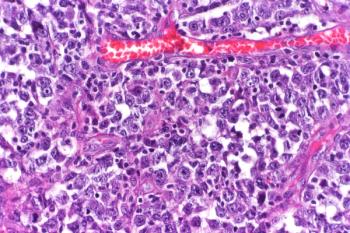
The phase 1/2 TakeAim Lymphoma trial examining emavusertib for patients with B-cell malignancies has received a partial clinical hold pending review by the FDA.
This review provides an updated analysis of the literature and discusses the authors' approach to the diagnosis and treatment of patients with marginal zone lymphoma.

Investigators reported topline findings from the phase 1/2 EPCORE NHL-1 trial assessing epcoritamab in patients with relapsed/refractory large B-cell lymphoma.
Frederick Lock, MD, spoke about how axicabtagene ciloleucel has improved survival in patients with large B-cell lymphoma.
Ibrutinib plus venetoclax given at a fixed duration yielded favorable progression-free survival in patients with previously untreated, high-risk chronic lymphocytic leukemia and small lymphocytic lymphoma.
The European Commission approved lisocabtagene maraleucel for the treatment of certain patients with relapsed/refractory large B-cell lymphoma.

Biomarker analysis and studies of pharmacokinetics, pharmacodynamics, and T-cell composition show certain T-cell characteristics are linked with outcomes and toxicity with axicabtagene ciloleucel in large B-cell lymphoma.
Investigators of a phase 1/2 trial observed positive response outcomes with expanded natural killer cells plus AMF13 in patients with heavily pretreated lymphoma.
Frederick Lock, MD, spoke about the approval of axicabtagene ciloleucel and how it’s beneficial for patients with large B-cell lymphoma who were treated with frontline chemoimmunotherapy.
Updated data from a pivotal trial that led to the approval of zanubrutinib for the treatment of patients with relapsed or refractory mantle cell lymphoma appears to highlight persistent benefit.
Advertisement
Advertisement
Trending on CancerNetwork
1
Neoadjuvant Radiation May Improve Tolerability in Cholangiocarcinoma
2
Distal Extrahepatic Cholangiocarcinoma May Gain From Neoadjuvant Radiation
3
Hydrogel Spacer Receives FDA 510(k) Clearance for Prostate Cancer Radiotherapy
4
How Oncologists Can Navigate Patient Requests for Medical Aid in Dying
5