





Lymphoma
Latest News
Advertisement
Latest Videos


























































Advertisement
More News
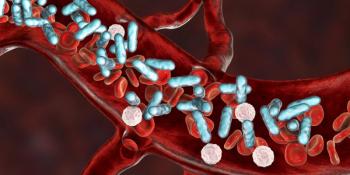
SWOG S1826 is an open-label trial that enrolled patients with newly diagnosed stage III or IV classical Hodgkin lymphoma who were randomly assigned to receive either nivolumab/AVD or brentuximab vedotin/AVD.
Axicabtagene ciloleucel may prolong survival and improve outcomes vs standard-of-care therapy in older patients with relapsed/refractory large B-cell lymphoma.
Andre H. Goy, MD, and Andrew Ip, MD, offer closing remarks on unmet needs in the treatment of diffuse large B-cell lymphoma.
Experts on diffuse large B-cell lymphoma discuss the factors that inform their treatment choices in the second line.
Investigators plan to initiate a phase 2 study evaluating AFM13 plus AB-101 in patients with relapsed/refractory classical Hodgkin lymphoma in the first half of 2024.

Patients with relapsed/refractory diffuse large B-cell lymphoma can now receive epcoritamab following the FDA’s approval of the agent.
Rituximab plus bendamustine and cytarabine continues to show clinical efficacy and favorable outcomes in a population of elderly patients with mantle cell lymphoma.
Experts overview the ZUMA-7 trial of axicabtagene ciloleucel (axi-cel) in patients with relapsed/refractory DLBCL, and discuss how tumor volume correlates with clinical outcomes.
An overview of the L-MIND trial of tafasitamab plus lenalidomide in patients with relapsed/refractory disease.
Investigators are expected to share initial safety and efficacy data from a phase 1/2 trial assessing IMPT-314 as a treatment for aggressive B-cell lymphoma in the second half of 2023.
Expert oncologists discuss the evolving treatment landscape for diffuse large B-cell lymphoma (DLBCL).
Andre H. Goy, MD, and Andrew Ip, MD, offer insights on the future of mantle cell lymphoma treatment.
Findings from a nested case-control study may enable individualized colorectal cancer risk estimations for Hodgkin lymphoma survivors who receive radiotherapy plus procarbazine.
The addition of pembrolizumab to conventional chemotherapy appears tolerable and effective in a cohort of patients with relapsed/refractory classic Hodgkin lymphoma, according to data from a phase 2 trial.
Experts on B-cell malignancies discuss second-line therapy options for patients with relapsed/refractory mantle cell lymphoma.
A comprehensive overview of CAR T-cell therapy as a treatment modality for mantle cell lymphoma, including insights on the ZUMA-2 clinical trial.
Liso-cel produces no new safety signals in relapsed or refractory mantle cell lymphoma and follicular lymphoma in the phase 1 TRANSCEND NHL 001 trial and the phase 2 TRANSCEND FL trial.
Expert oncologists give an overview of the BRUIN trial and discuss pirtobrutinib as a treatment for patients with mantle cell lymphoma.
Andre H. Goy, MD, and Andrew Ip, MD, discuss the ways in which treatment paradigms for mantle cell lymphoma (MCL) have recently shifted.
Patients with previously untreated diffuse large B-cell lymphoma can now receive polatuzumab vedotin-piiq plus rituximab, cyclophosphamide, doxorubicin, and prednisone following the FDA’s approval of the regimen.
Polatuzumab vedotin-piiq plus R-CHP can reduce the need for any subsequent lines of therapy for patients with diffuse large B-cell lymphoma, according to an expert from The University of Texas MD Anderson Cancer Center.
The FDA expresses openness towards having protocol discussions with investigators on initiating a second clinical study evaluating synthetic hypericin sodium for cutaneous T-cell lymphoma.
Primary outcome data from phase 3 confirmatory studies evaluating ibrutinib in mantle cell lymphoma and marginal zone lymphoma are insufficient to support conversion to full FDA approval in these indications.
Findings from the phase 3 TRANSFORM study support the Committee for Medicinal Products for Human Use’s recommendation to approve lisocabtagene maraleucel for large B-cell lymphoma.
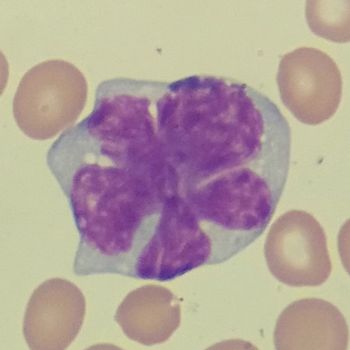
Retrospective data encourage further exploration of non-ASCT regimens in younger patients with mantle cell lymphoma, while maintenance rituximab should be considered following first-line therapy with bendamustine plus rituximab.
Advertisement
Advertisement
Trending on CancerNetwork
1
Neoadjuvant Radiation May Improve Tolerability in Cholangiocarcinoma
2
Distal Extrahepatic Cholangiocarcinoma May Gain From Neoadjuvant Radiation
3
Hydrogel Spacer Receives FDA 510(k) Clearance for Prostate Cancer Radiotherapy
4
How Oncologists Can Navigate Patient Requests for Medical Aid in Dying
5