



Lymphoma
Latest News
Advertisement
Latest Videos



























































Advertisement
More News

Findings from a multi-center phase 1/2 trial highlight only that only grade 1 cytokine release syndrome events occurred among patients with indolent non-Hodgkin lymphoma receiving MB-106.

Data indicate that replacement of vincristine with polatuzumab vedotin in combination with etoposide, prednisone, cyclophosphamide, doxorubicin, and rituximab should be further explored in large B-cell lymphoma.
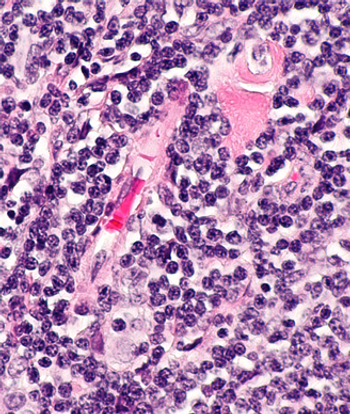
Data from the phase 1 ELM-1 trial and phase 2 ELM-2 trial support the marketing authorization application for odronextamab in relapsed/refractory follicular lymphoma and diffuse large B-cell lymphoma.
Avyakta Kallam, MBBS, gave a look as to why she decided to compile a comprehensive review in mantle cell lymphoma.
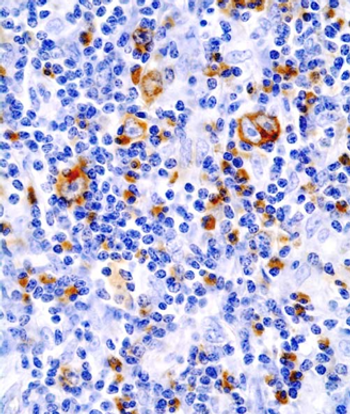
A larger, phase 2 trial is planned to further evaluate pembrolizumab plus doxorubicin, vinblastine, and dacarbazine in patients with newly diagnosed Hodgkin lymphoma.
Avyakta Kallam, MBBS and Julie Vose MD, MBA, review available treatment options for patients with mantle cell lymphoma.
Findings from a real-world study suggest the importance of novel agents for improving efficacy outcomes and tolerability in elderly patients with mantle cell lymphoma.
Findings from a retrospective analysis suggest an association between bridging therapy and poorer outcomes among patients with aggressive, relapsed/refractory B-cell non-Hodgkin lymphoma.
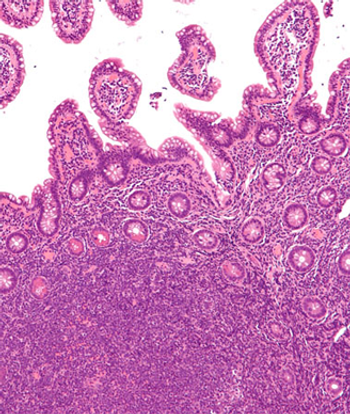
Levels of soluble CD163 appear to be higher in those with p53 abnormalities, elevated lactate dehydrogenase, and low hemoglobin in a study cohort of patients with mantle cell lymphoma.

The regulatory agency requests enhanced product testing and additional controls in their market application review of denileukin diftitox for the treatment of those with relapsed/refractory cutaneous T-cell lymphoma.

JZP458 is part of a multi-agent chemotherapy regimen for lymphoblastic lymphoma and acute lymphoblastic leukemia, and can be used for adult and pediatric patients.
Umbralisib in combination with ublituximab and venetoclax appears tolerable and yields responses in a small cohort of patients with mantle cell lymphoma.
Investigators of the LOTIS-9 trial are assessing loncastuximab tesirine plus rituximab for the treatment of unfit or frail patients with untreated diffuse large B-cell lymphoma.
Results from the phase 1/2 NP30179 trial led the European Commission to grant conditional marketing authorization to patients with relapsed/refractory diffuse large B-cell lymphoma.

The supplemental new drug application for zanubrutinib and obinutuzumab in patients with relapsed/refractory follicular lymphoma is supported by data from the phase 2 ROSEWOOD trial.
Epcoritamab is a treatment option for patients with relapsed/refractory diffuse large B-cell lymphoma that was approved by the FDA based on findings from the phase 1/2 EPCORE NHL-1 trial.
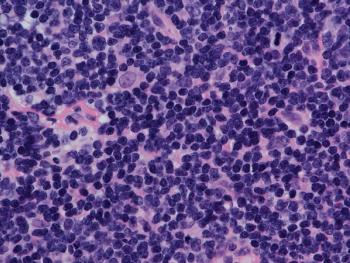
Patients with mantle cell lymphoma who undergo a shorter diagnosis to treatment interval also have worse clinical and disease characteristics on average than those with a longer interval.
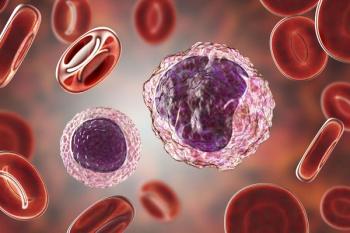
The addition of pembrolizumab to tisagenlecleucel also appears to yield inconclusive efficacy signals and did not augment cellular expansion among patients with diffuse large B-cell lymphoma in a phase 1b study.
Investigators of the phase 1/2 EPCORE NHL-1 trial plan to discuss their findings with global regulatory authorities to determine the next steps for epcoritamab in the treatment of relapsed/refractory follicular lymphoma.
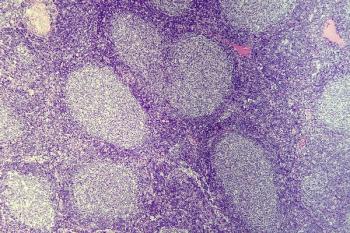
Treatment with liso-cel produces low rates of severe cytokine release syndrome in relapsed/refractory mantle cell lymphoma and follicular lymphoma in the phase 1 TRANSCEND NHL 001 trial and the phase 2 TRANSCEND FL trial.
The education of patients on identifying and reporting adverse effects is a critical part of effective toxicity management.
One role of a physician assistant is to help patients understand their treatment and the results they’re presented with.

Combining brentuximab vedotin with chemotherapy appears to significantly reduce the risk of death compared with chemotherapy alone among patients with advanced Hodgkin lymphoma.
Results from the phase 1/2 NP30179 analyzing glofitamab in patients with relapsed/refractory diffuse large B-cell lymphoma and large B-cell lymphoma are reported to have helped lead to its approval.
Adverse effect management is a concern for clinicians when administering follicular lymphoma treatment, and the use of targeted pathways may help mitigate them.
Advertisement
Advertisement
Trending on CancerNetwork
1
Neoadjuvant Radiation May Improve Tolerability in Cholangiocarcinoma
2
Distal Extrahepatic Cholangiocarcinoma May Gain From Neoadjuvant Radiation
3
Hydrogel Spacer Receives FDA 510(k) Clearance for Prostate Cancer Radiotherapy
4
How Oncologists Can Navigate Patient Requests for Medical Aid in Dying
5