

Lymphoma
Latest News
Advertisement
Latest Videos


























































Advertisement
More News
Lisocabtagene maraleucel was found to have superior efficacy in the second-line over standard of care therapy for patients with relapsed/refractory large B-cell lymphoma.
Patients with with primary central nervous system lymphoma experienced prolonged progression-free survival and a reduction in risk of death following treatment with high-dose chemotherapy and autologous stem cell transplant compared with non-myeloablative chemoimmunotherapy.

Mosunetuzumab produced durable responses with a tolerable toxicity profile in patients with relapsed/refractory follicular lymphoma, according to an updated analysis of the phase 2 GO29781 study.
The phase 2 ELARA trial indicated continued durable responses when patients with relapsed/refractory follicular lymphoma were treated with tisagenlecleucel.
Ziolvertamab and Ibrutinib combination therapy demonstrated an overall response rate of 89.3% and 91.2% in patients with mantle cell lymphoma and chronic lymphocytic leukemia, respectively.
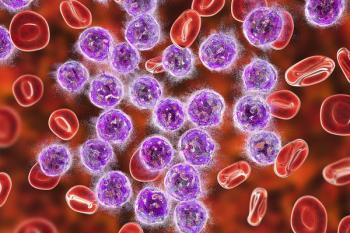
Rapcabtagene autoleucel, a novel CAR T-cell therapy, was promisingly effective and tolerable in patients with relapsed/refractory diffuse large B-cell lymphoma, according to findings from a phase 1 dose-escalation study.
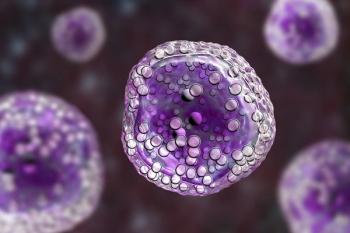
Treatment with ibermodide on its own or with anti-CD20 antibodies was well tolerated and demonstrated encouraging responses among patients with relapsed or refractory lymphoma.

Patients with previously untreated Waldenström Macroglobulinemia—a rare form of blood cancer—derived fast and durable responses after receiving treatment with ibrutinib plus venetoclax, according to findings from a prospective phase 2 trial presented at 2022 ASH Annual Meeting.
Two-year follow-up data from the MAGNOLIA trial showed that zanubrutinib continues to elicit responses in patients with relapsed/refractory marginal zone lymphoma.
The 5-year follow-up of the phase 3 AUGMENT trial produced enhanced progression-free survival when lenalidomide plus rituximab was used to treat patients with relapsed/refractory indolent non-Hodgkin lymphoma.
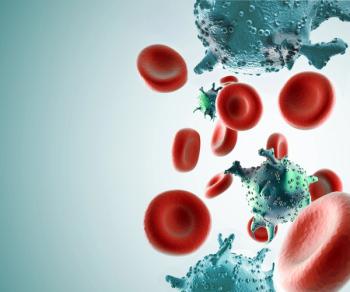
The use of a fixed-duration regimen of glofitamab several days after pretreatment with obinutuzumab was associated with high complete responses among a group of heavily pretreated patients with relapsed or refractory mantle cell lymphoma.
The FDA’s acceptance of the biologics license application for denileukin diftitox for the treatment of patients with cutaneous persistent or recurrent T-cell lymphoma was supported by data from a pivotal phase 3 trial.

The allogeneic anti-CD19 CAR-T cell therapy CB-010 has received 2 designations from the FDA, including a fast-track designation for relapsed/refractory B-cell non-Hodgkin lymphoma.
Real-world data show effective outcomes following ibrutinib and rituximab treatment in patients with relapsed/refractory mantle cell lymphoma with bone marrow involvement.

Patients with relapsed/refractory large B-cell lymphoma may benefit from epcoritamab, which received priority review from the FDA.
Topline results from the phase 2 MIRAGE study indicated that patients with relapsed/refractory indolent B-cell non-Hodgkin lymphoma receiving zandelisib experienced an objective response rate of 75.4%.

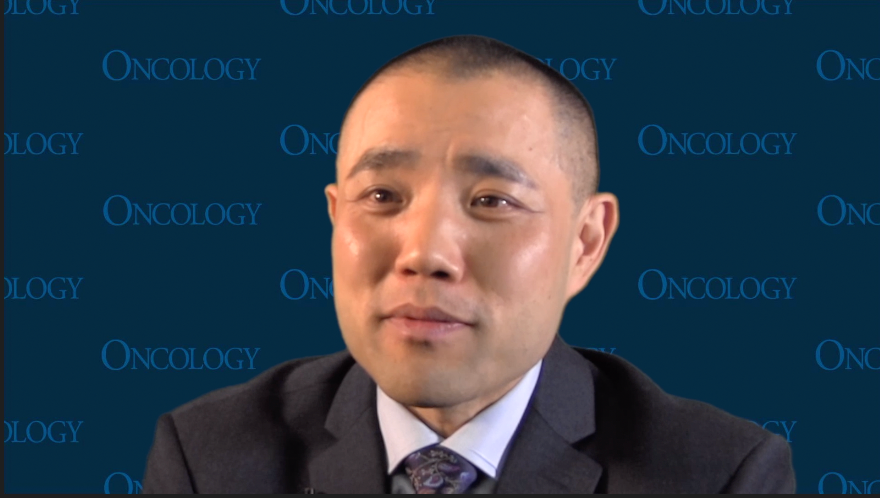
Andre H. Goy, MD, discussed the most pressing unresolved questions in the current treatment of MCL in an interview with the journal ONCOLOGY.
For camidanlumab tesirine to be considered for an accelerated approval path in relapsed/refractory Hodgkin lymphoma, the FDA has strongly recommended conducting confirmatory phase 3 research at the time of biologic license application submission.
Patients with previously untreated high-risk pediatric lymphoma can now receive treatment with brentuximab vedotin with the FDA’s nod of approval.
Findings from a randomized phase 3 trial indicated that brentuximab vedotin plus chemotherapy yielded a higher event-free survival rate and lowered the risk of death compared with chemotherapy alone among patients with advanced-stage Hodgkin Lymphoma.
Real-world results from the retrospective SCHOLAR-2 study provided a benchmark for survival in patients with relapsed or recurrent refractory mantle cell lymphoma who received salvage therapy following failure of initial Bruton tyrosine kinase inhibitor therapy.
Atezolizumab plus R-CHOP appeared to yield durable clinical benefit and a safety profile consistent with known toxicities in patients with previously untreated DLBCL, according to data from a phase 1b/2 trial.
Expert oncologist/hematologists Bruce Cheson, MD, FACP, and Steven Park, MD, discuss findings from the E7438-G000-101 trial and consider the efficacy of tazemetostat as treatment for relapsed or refractory follicular lymphoma.
Patients with relapsed/refractory large B-cell lymphoma may benefit from epcoritamab, the biologics license applications of which were submitted to the FDA.
MT-101 Granted Fast Track Designation by FDA for CD5+ Relapsed/Refractory Peripheral T-Cell Lymphoma
Patients with CD5-positive relapsed/refractory peripheral T-cell lymphoma may derive benefit from MT-101, which was granted fast track designation by the FDA.
Advertisement
Advertisement
Trending on CancerNetwork
1
Neoadjuvant Radiation May Improve Tolerability in Cholangiocarcinoma
2
Distal Extrahepatic Cholangiocarcinoma May Gain From Neoadjuvant Radiation
3
Hydrogel Spacer Receives FDA 510(k) Clearance for Prostate Cancer Radiotherapy
4
How Oncologists Can Navigate Patient Requests for Medical Aid in Dying
5